🇭🇷 10 Fun Facts You Don’t Know About the National Animal of Croatia (#6 Will Shock You!)

When most people think of national animals, lions, eagles, and bears come to mind. However, Croatia chose something different; something special.
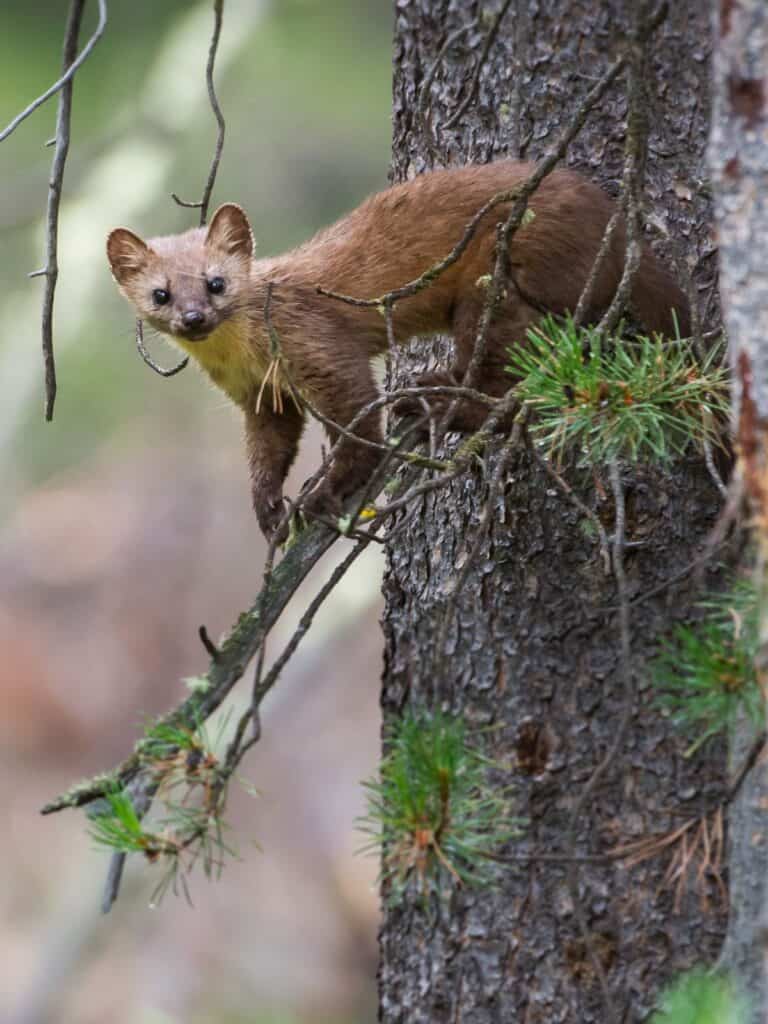
The European pine marten, known locally as kuna zlatica or just kuna, holds a place of honor in Croatian culture that goes far beyond its role as a forest dweller.
Technically, Croatia has actually never officially declared a national animal, but if you ask any Croatian, they’ll proudly tell you about the beloved pine marten.
Below is a list of 10 fascinating and fun facts about the national animal of Croatia that you probably didn’t know — including how this small, agile mammal has shaped Croatian history, appeared on medieval coins, and still graces modern currency today.
1. Pine Martens Were Used as Currency in Medieval Croatia
During the time of Croatian kings in the 10th and 11th centuries, several present-day Croatian islands were owned by Venice and paid taxes to the Venetian administration in marten skin or marten fur.
Marten pelts weren’t just valuable — they were literally money 💸
Serfs used marten furs as payment for using manorial land, a practice known as kunovina.
Over the centuries, marten fur and skins spread and became a precious form of payment for things besides taxes in other parts of modern-day Croatia, all the way to the Slavonia region in the Pannonian Plain.
The winter pelts were especially prized because they took on a silky quality that made them worth even more.
This tradition established the marten as a symbol of value and prosperity that would echo through Croatian history for centuries.
2. Croatian Currency Was Named After the Marten

The kuna, Croatia’s currency from 1994 until 2023, takes its name directly from the Croatian word for marten (kuna).
After declaring independence from Yugoslavia in 1991, Croatia proudly established the kuna as its national currency on May 30, 1994.
This wasn’t the first time the marten appeared on Croatian money.
Pakrac was also the site of one of the first mints in Croatia, where “banovac” coins were minted in the 13th century.
These medieval coins featured a marten on one side and the Croatian-Hungarian king on the other.
The banovac coins spread throughout the region, making the marten a recognizable economic symbol.
When Croatia needed a currency that represented both its history and independence, the kuna was the natural choice.
3. Pine Martens Still Appear on Croatian Euro Coins
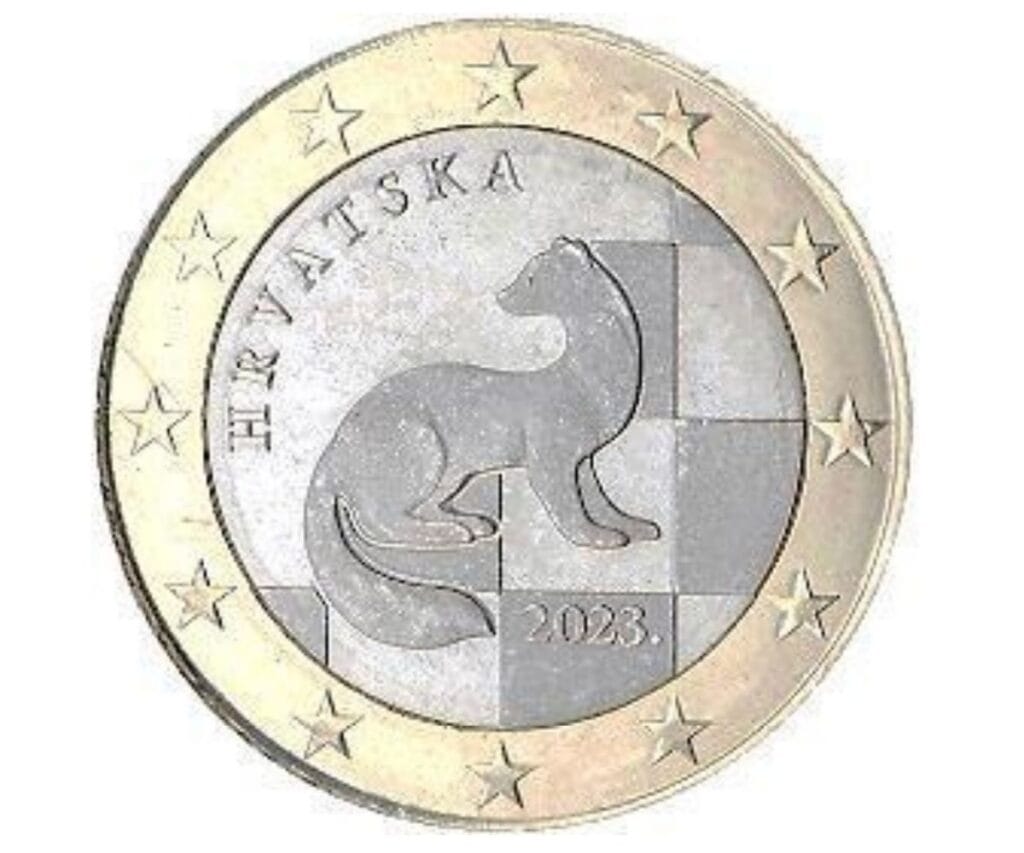
The switch to the euro did not end Croatia’s monetary relationship with the pine marten — and it can now be found on Croatian one-euro coins.
When Croatia joined the Eurozone on January 1, 2023, the beloved marten wasn’t forgotten.
Croatian one-euro coins feature a marten with a chessboard pattern in the background, ensuring this national symbol continues in circulation.
This decision demonstrated how deeply the marten is woven into Croatian identity.
While the kuna currency is now history, the marten’s image ensures that every financial transaction still carries a piece of Croatian heritage.
It’s rare for national animals to maintain such a prominent place in modern currency — which is a testament to just how much locals love the national animal of Croatia 🇭🇷
4. A Designer Accidentally Put a Marten on the Slavonian Coat of Arms

There is a story that the king at the time wanted a lion on the coat of arms as a symbol of the previous royal rulers over Slavonia.
However, the designer of the coat of arms did not know how to draw a lion because he had never seen one, so he drew a marten instead.
Whether this tale is fact or legend, the marten has appeared on the Slavonian coat of arms since the 15th century.
This happy accident, if true, gave Croatia one of its most distinctive regional symbols.
The marten still appears under the Slavonia region in Croatia’s official coat of arms today.
While Dalmatia features lions and Istria displays a goat, Slavonia proudly showcases its marten.
5. Pine Martens are the Only Mustelids with Semi-Retractable Claws
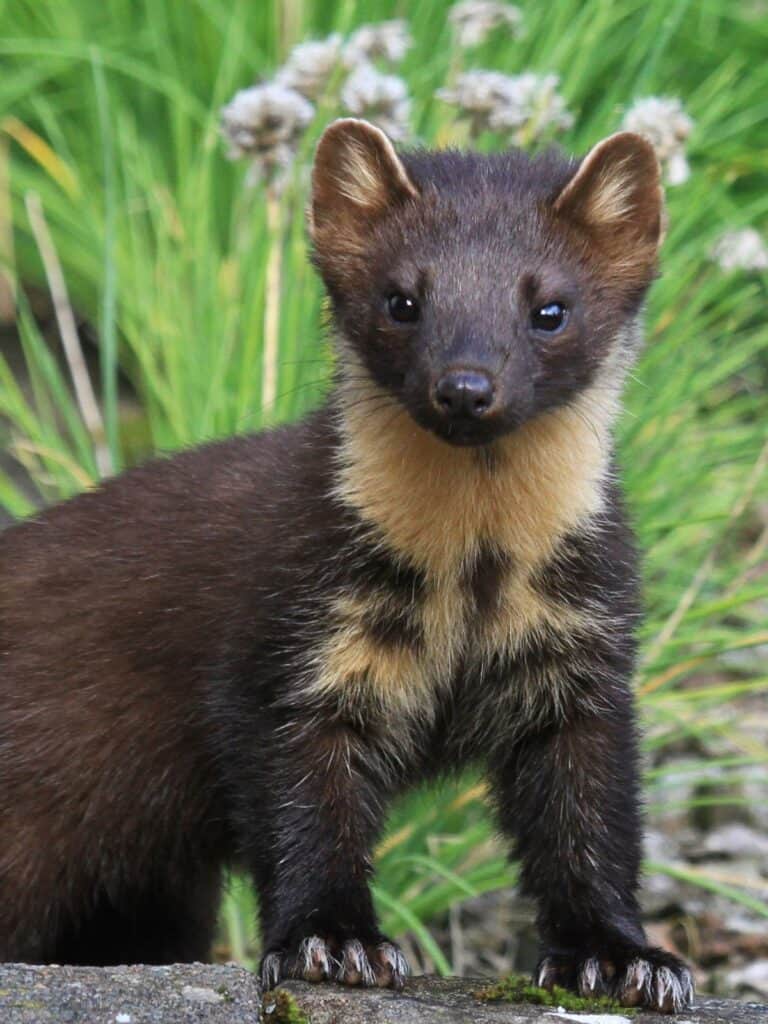
One interesting fact about the marten is that it is actually the only member of the mustelid family to have semi-retractable claws.
This unique adaptation makes pine martens exceptional tree climbers.
They can scale trunks and run along narrow branches with the same ease as squirrels.
These specialized claws, combined with powerful forelimbs and a long tail for balance, allow martens to lead truly arboreal lifestyles.
They build dens in tree hollows high above the forest floor and hunt prey in the canopy.
This climbing ability sets them apart from their mustelid relatives like weasels, otters, and badgers.
6. Pine Martens Can Jump From Tree to Tree Like Squirrels

Pine martens launch themselves from branch to branch with remarkable precision and confidence.
Their speed and agility in trees is so impressive that people often mistake them for squirrels at first glance.
Only when you get a good look at their weasel-like faces and bushy tails does their true identity become clear.
This aerial agility makes them formidable predators in forest canopies. They hunt birds, raid nests for eggs, and chase prey through the treetops.
Their tree-dwelling lifestyle also provides protection from larger ground predators.
Most of their time is spent high above the forest floor where they feel most at home.
7. Despite Their Cute Appearance, Pine Martens are Brutal Hunters

Martens are excellent hunters with impressive speed, climbing and leaping abilities that make them furious predators, despite their cute appearance.
Seriously… don’t let those adorable cat-like faces and curious ears fool you!
Pine martens are carnivores with sharp teeth, powerful bites, and relentless hunting instincts.
They can tackle prey much larger than themselves, including hares, despite being significantly smaller.
Owners of chickens in pine marten territory will attest to the tenacity, agility and brute strength of these weasel-like predators, and will commonly report that pine martens kill for the sheer enjoyment of it.
Their diet includes rodents, birds, insects, and forest fruits, making them opportunistic omnivores with a preference for meat.
8. Pine Martens are Known as “The Golden Ones” in Rural Croatia

Pine martens are still valued in Croatia as important controllers of rodents by rural communities, and are known as “the golden ones.”
This affectionate nickname reflects both their value to farmers and the golden-brown color of their beautiful fur.
In areas near the forest-covered Psunj Mountain, the golden pine marten remains part of local folklore and agricultural tradition.
While martens were once considered pests because they occasionally hunted domestic chickens, rural communities came to appreciate their role in controlling rodent populations.
This earned them respect and protection.
The nickname “golden ones” also harkens back to when their pelts were as valuable as gold in medieval trade.
9. Pine Martens are Shy, Intelligent, and Mostly Nocturnal
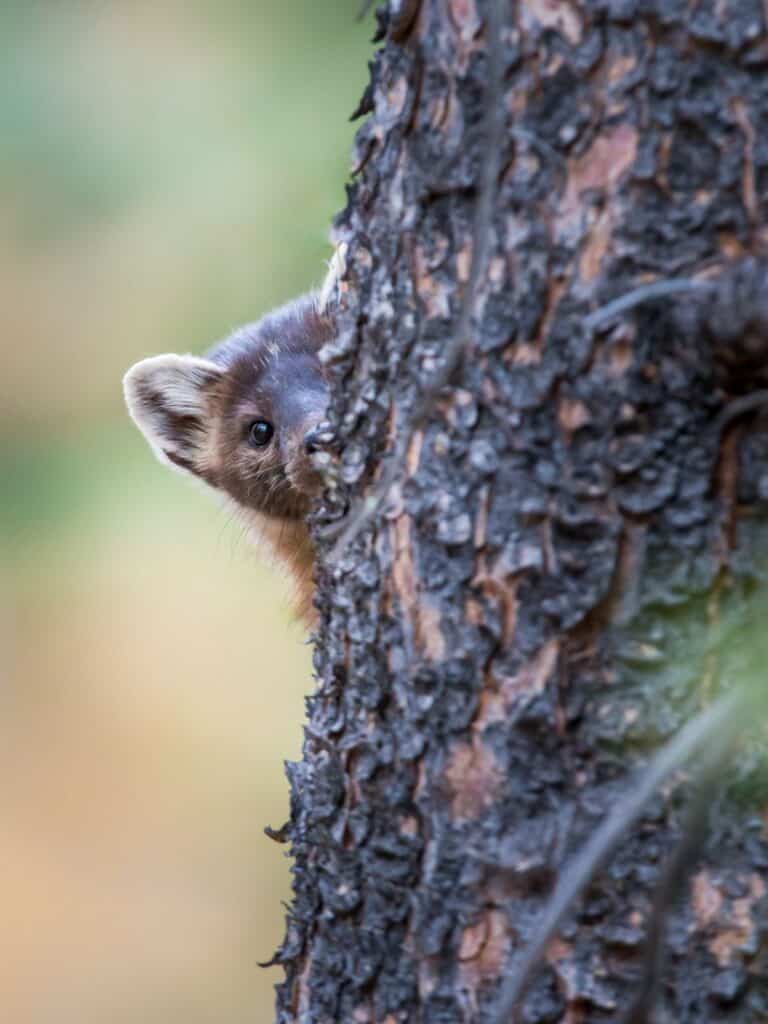
Known for being excellent problem solvers, highly intelligent and very opportunistic, the Croatian national animal is rather shy and tends to be most active when the daylight fades.
Pine martens avoid human contact and emerge primarily at dusk and during the night. Their intelligence helps them solve complex problems when hunting or finding shelter.
This nocturnal lifestyle and shy nature make pine marten sightings rare, even in areas where they’re common.
You’re most likely to spot them in Croatia’s protected areas like Plitvice Lakes National Park, Papuk Nature Park, or on the island of Brac.
Patient wildlife watchers who venture into forests during twilight hours have the best chances of pine marten encounters in Croatia.
10. Pine Martens are Now Strictly Protected After Nearly Being Hunted to Extinction

Hunting martens is now strictly forbidden in Croatia and they are a protected native species.
After centuries of being trapped for their valuable fur, pine marten populations declined dramatically across Europe.
Croatia recognized the need to protect these culturally significant animals before it was too late.
Today, the main threats to Croatian pine martens come from habitat loss due to tree felling and human encroachment on forests.
Larger predators like red foxes, wolves, bears, and birds of prey also hunt them, but human activity still remains the greatest danger to the pine marten.
Conservation efforts focus on protecting forest habitats and educating the public about the marten’s ecological importance and cultural significance.
The pine marten embodies Croatian values of resilience, adaptability, and quiet strength.
This small creature survived centuries of being hunted for their fur, maintained a place in Croatian culture through medieval times to modern independence, and continue to grace Croatian currency today.
While it might not be as mighty as a lion or as mythical as a unicorn, the marten represents something authentically Croatian: beauty, intelligence, and the enduring connection between people and their natural heritage.