🇨🇺 10 Fun Facts You Don’t Know About the National Animal of Cuba (#8 is Hilarious!)
When you think of Cuba, you probably imagine classic cars from the 1950s, salsa dancing, Cuban cigars, tropical island vibes, and beautiful beaches.
But did you know this Caribbean island nation chose a chubby, tree-climbing rodent as big as a raccoon as its national symbol?!
The Cuban hutia (pronounced who-tee-ah), scientifically known as Capromys pilorides, holds the title of national animal of Cuba.
This unique mammal is found nowhere else on Earth and has played surprising roles in Cuban history, from feeding revolutionary soldiers to becoming an unlikely pet.
Below are 10 fascinating and fun facts about the national animal of Cuba that you probably never knew.
1. Cuban Hutias are the Largest Rodents in the Caribbean
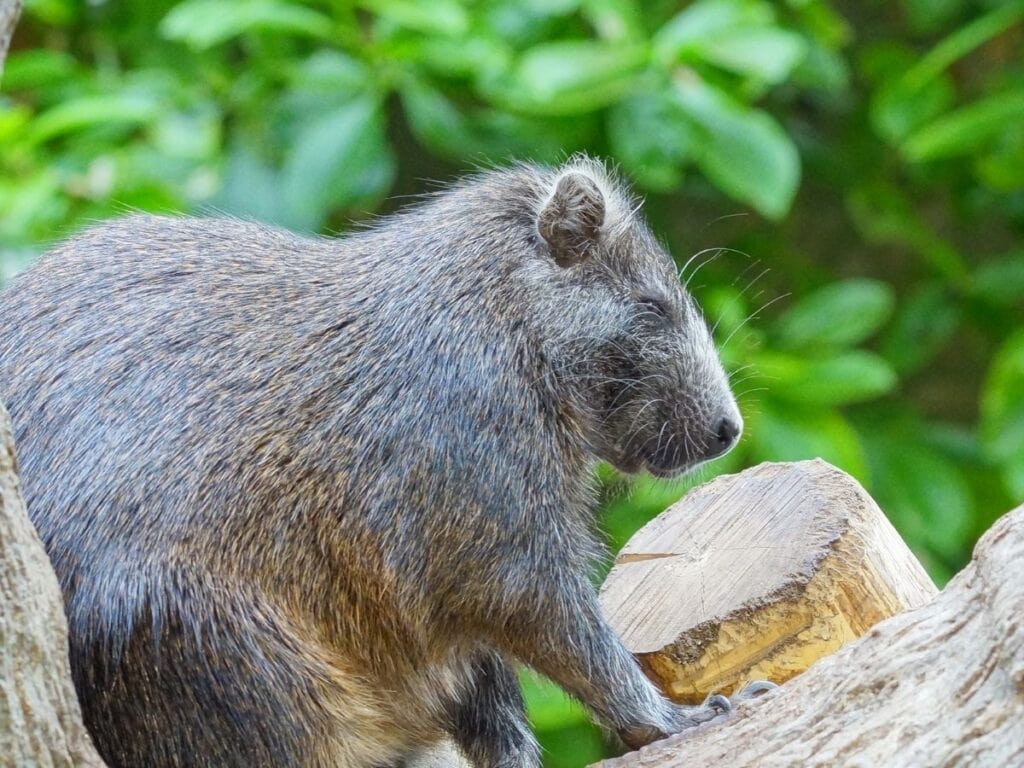
The national animal of Cuba holds the record as the Caribbean’s biggest rodent species. They look similar to capybaras, only smaller.
Cuban hutias (aka Desmarest’s hutias) can grow up to 24 inches (60 cm) long — not counting their 11 inch (28 cm) tail — making them about the size of a fat raccoon 🦝
They weigh anywhere from 6 to 19 pounds (2.8 to 8.5 kg), with some chunky individuals tipping the scales at the higher end.
For perspective, that’s roughly 10 times heavier than your average pet hamster.
Their thick, coarse fur ranges from black to reddish-brown, and they have these adorable short legs that make them waddle when they walk on the ground.
But don’t let their waddle fool you, these weird animals are excellent climbers with sharp claws perfect for scaling trees in Cuba’s forests and mangroves.
2. Fidel Castro Ate Hutias to Survive During the Cuban Revolution
Here’s a wild piece of Cuban history: During the Cuban Revolution (1956-1959), Fidel Castro and his guerrilla fighters survived partly by hunting and eating hutias.
When Castro’s small rebel army was hiding in Cuba’s rugged Sierra Maestra mountains and fighting against dictator Fulgencio Batista, food was scarce.
The rebels hunted hutias for their meat, which provided crucial protein during the lean years of mountain warfare.
Local villagers (guajiros) also supplied the rebels with hutias they had caught, helping sustain the revolutionary movement.
So technically, the national animal of Cuba helped bring about the Cuban Revolution by keeping revolutionaries fed — talk about earning its national status the hard way.
3. Hutias Have Been a Cuban Food Source for 5,000 Years

Cuba’s indigenous people, the Guanahatabey (also spelled Guanajatabey), were collecting and eating hutias more than 5,000 years ago in Pinar del Río.
These hunter-gatherer communities would catch hutias, leave them in the sun to dry out and eliminate potential toxins, then eat them.
Cuban peasants continued this tradition for centuries, with hutia meat considered agreeable in taste and substantial in portion size.
Even today, in some rural parts of Cuba, people still hunt hutias for food (though it’s technically illegal without a permit since 1968).
During Cuba’s economic crisis in the 1990s, a government official even suggested hutias could be a good meat source to help with food shortages.
So yeah, the national animal of Cuba has basically been on Cuban menus for five millennia 🍽️
4. You Can Keep Hutias as Pets in Cuba (And Many People Do)

Despite being wild rodents, Cuban hutias can be domesticated and make surprisingly popular pets across Cuba.
Families in rural areas keep hutias in their backyards, kind of like Cubans elsewhere might keep rabbits or chickens.
Hutias are apparently quite social and friendly when raised from a young age, though they’re still basically wild animals.
Some Cubans view hutias as a backup food source during tough economic times, while others just enjoy having a unique, endemic pet.
There are even reports of hutias living semi-wild around human settlements, where people feed them scraps and they become part of the community.
Imagine having your national animal just chilling in your backyard, that’s peak Cuba right there.
5. Hutias Live in Mangroves and Have the Most Complex Stomach of Any Rodent
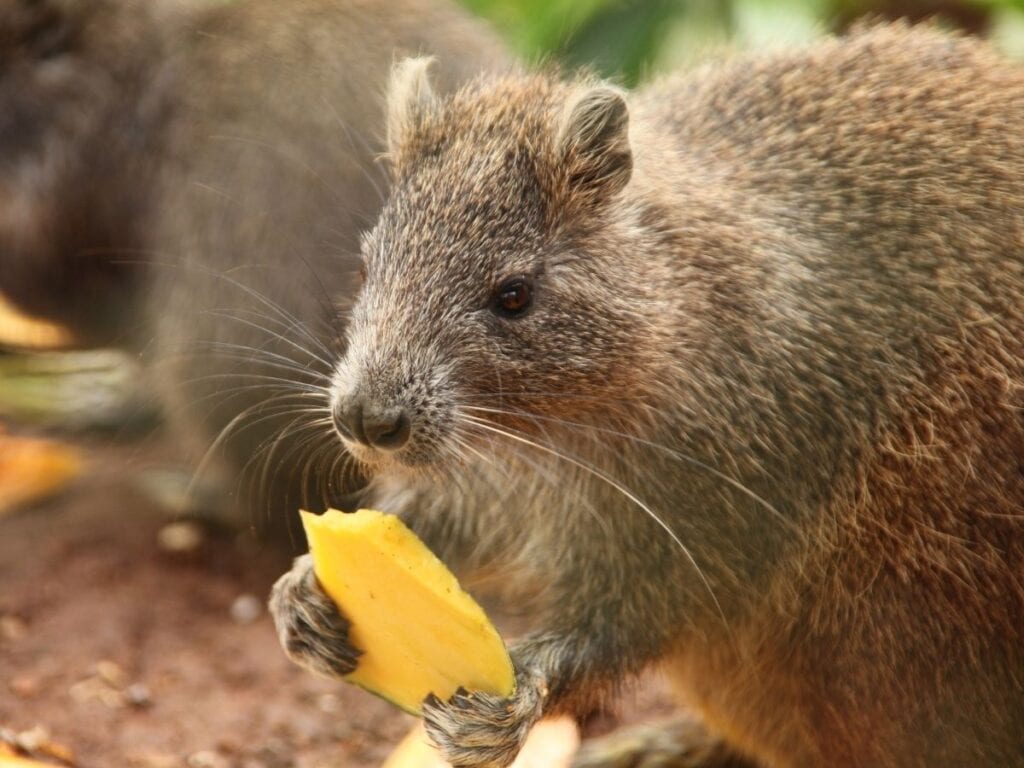
The national animal of Cuba, much like other common animals of Cuba, have adapted to an incredibly diverse range of habitats across the island.
In northern Cuba, hutias prefer living among red mangroves, where they nest in the branches and roots of these coastal trees.
Southern hutias tend to be more terrestrial, living on the ground in forests and rocky areas.
Here’s the wild part: Hutias have a three-chambered stomach, which is the most complex digestive system of any rodent on Earth.
This specialized stomach allows them to digest toxic leaves 🍃 that would poison other animals, kind of like having a built-in detox system.
They eat leaves, fruit, bark, and occasionally small lizards or animals when they need extra protein.
Their ability to thrive in everything from swamps to semi-deserts makes hutias the ultimate Cuban survival experts.
6. Hutias Can Live 8-11 Years and Have Super-Developed Babies

In captivity (including zoos), Cuban hutias can live between 8 to 11 years, which is pretty impressive for a rodent.
Female hutias have a long pregnancy of about 120-126 days (four months), much longer than most rodents.
They give birth to 1-3 babies at a time, and here’s where it gets interesting: Hutia babies are born precocial.
This means hutia pups are born fully furred, with their eyes wide open, able to walk around immediately after birth.
They’re basically the opposite of helpless newborn mice or rats 🐁 and live longer than rats as well.
Despite being born so developed, mama hutias still nurse their babies for about 5 months before weaning them.
The babies reach sexual maturity around 10 months old and can start making their own baby hutias.
7. One Hutia Subspecies Went Extinct Shortly After Europeans Arrived

The Cuban hutia used to have a subspecies called Capromys pilorides lewisi that lived in the Cayman Islands.
When the famous explorer Francis Drake visited the Cayman Islands in the 1500s, he reported seeing “little beast-like cats” and “coneys” (rabbit-like creatures) everywhere.
He was almost certainly describing the Cayman Islands hutia subspecies.
But shortly after European colonization began in the 1500s, this subspecies went completely extinct.
Scientists know it existed because they’ve found abundant subfossil bones dating from the Ice Age up until around 1600 CE.
Today, you can still find Cuban hutias on mainland Cuba and surrounding islands like Isla de la Juventud, but the Cayman Islands lost their hutias forever 💔
It’s a reminder that Cuba’s national animal is more resilient than some of its cousins.
8. The Cuban Hutia Waddles Like a Penguin, But Hops Like a Rabbit

One of the most endearing features of Cuba’s national animal is its hilarious walk.
Hutias have short, stocky legs that cause them to move with a distinctive waddling gait, kind of like a chubby penguin waddling across ice.
This waddle makes them look slow and clumsy, which is exactly what they want predators to think.
When threatened or chased, hutias can suddenly switch to hopping at surprising speeds, bounding away like rabbits on steroids.
It’s basically the rodent version of “surprise, I’m actually athletic.”
Watching a hutia go from lazy waddle to emergency hop mode is apparently hilarious, like seeing your couch potato friend suddenly sprint.
9. Hutias are So Abundant in Some Areas They’re Considered Pests

Despite being the national animal, hutias are so common in some parts of Cuba that they cause serious agricultural damage.
In areas with high hutia populations (sometimes 50-100 hutias per hectare), they raid crops and destroy farmers’ livelihoods.
Cuban farmers view hutias as pests similar to how American farmers view groundhogs or gophers eating their crops.
The Wild Animals Protection Act of 1968 makes it illegal to hunt or kill hutias without special permits from the Ministry of Agriculture and Fisheries.
But when your national animal is eating all your vegetables and there are hundreds of them per square mile/kilometer, farmers get frustrated.
So Cuba has this weird situation where the national animal is protected by law but also actively destroying crops in some regions.
It’s the price of choosing a rodent as your national symbol, apparently.
10. The Hutia’s Scientific Name Means “Pig-Mouse”

Their genus name, capromys, comes from the ancient Greek words “kapros” (meaning pig or boar) and “mys” (meaning mouse or rat).
So the scientific community basically looked at hutias and thought “yeah, that’s a pig-mouse, that works.”
To be fair, hutias do kind of look like someone crossed a large rat 🐀 with a small pig 🐖 added in some tree-climbing abilities for good measure 🌴
The species was first described way back in 1788 by a German naturalist named Peter Simon Pallas, who called it mys pilorides.
Scientists later realized it didn’t belong in the pilorides genus, and moved it to the capromys genus in 1935.
The animal’s name, Desmarest’s hutia (another name for the Cuban hutia), honors Anselme Gaëtan Desmarest, who officially described the species in 1822.
But Cubans just call it “jutía” (that’s the Spanish spelling of hutia) because “pig-mouse” sounds way less cool.
Our Final Thoughts on Hutias, the National Animal of Cuba
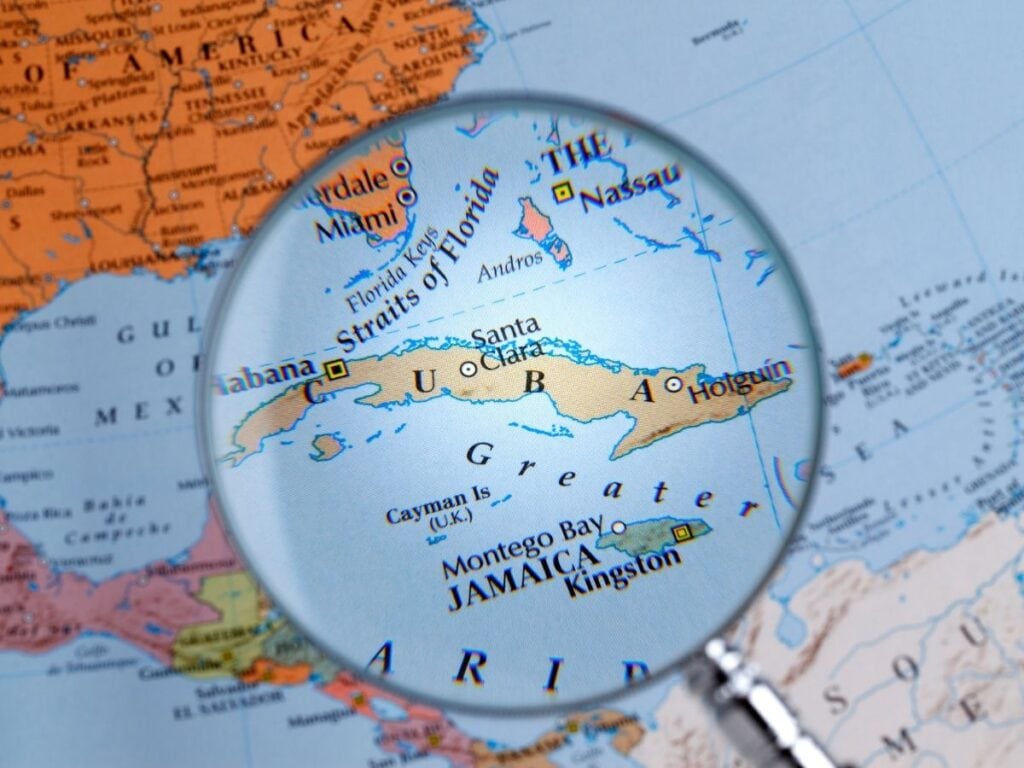
The national animal of Cuba perfectly captures the island’s spirit: Resourceful, unique, and full of surprises 🇨🇺
From sustaining revolutionaries in the mountains to waddling through mangrove swamps, the hutia has earned its place in Cuban culture and ecology.
Sure, it might eat your crops and look like an oversized rat, but that’s what makes it authentically Cuban. Love it or hate it, the hutia is here to stay.