🇷🇴 10 Fun Facts You Don’t Know About the National Animal of Romania (#8 Is Wild!)

When most people think of Romania, Dracula’s castle and mysterious Transylvanian forests probably come to mind — not animals.
But this Eastern European nation chose a predator so stealthy to represent it that this cat can live invisibly among villagers for years without even being spotted.
The Eurasian lynx, specifically the Carpathian lynx subspecies (Lynx lynx carpathicus), holds the position as the national animal of Romania.
This medium-sized wildcat with distinctive ear tufts and spotted fur roams the vast Carpathian forests, representing Romania’s commitment to preserving Europe’s largest intact wilderness.
Below are 10 fascinating and fun facts about the national animal of Romania that will make you want to book a wildlife safari immediately so you can see one.
1. Romania Has More Lynx Than Almost Any Country in Europe
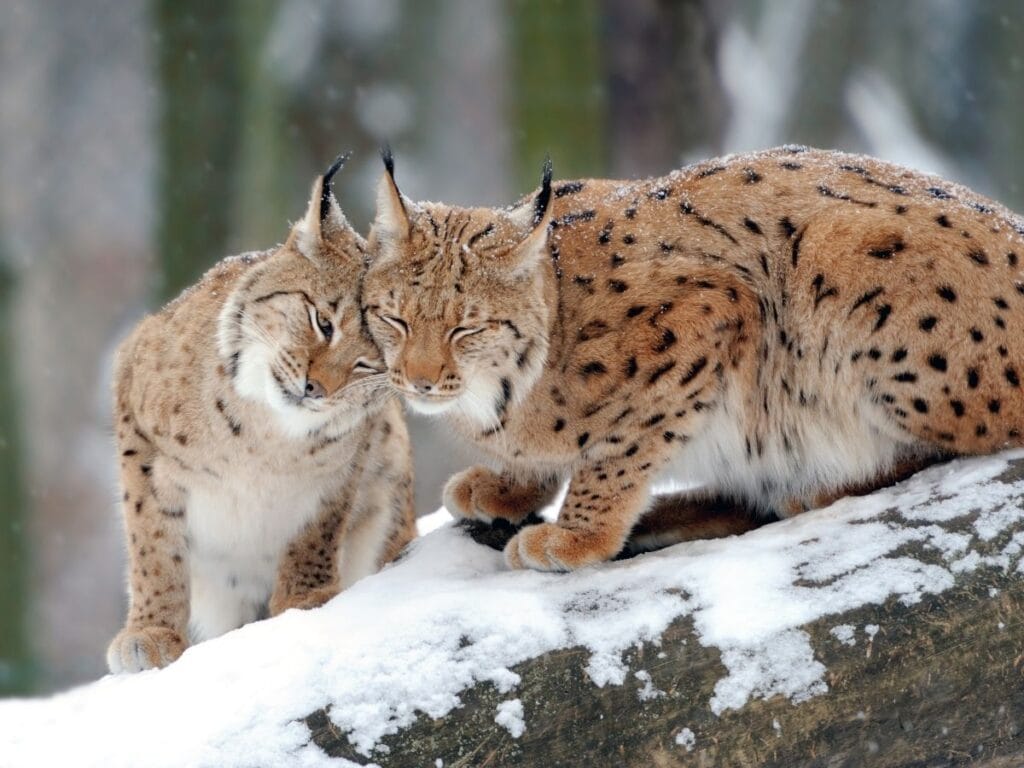
The national animal of Romania isn’t rare in Romanian territory (at least not yet).
More than 2,000 Eurasian lynx prowl Romania’s Carpathian Mountains, making it home to the largest lynx population in Central and Eastern Europe.
The entire Carpathian Mountain range, which spans eight countries, holds about 2,100-2,800 lynx total — and Romania contains most of them.
For comparison, Switzerland spent decades trying to rebuild their lynx population and celebrated when they hit just 300 individuals.
This makes Romania absolutely critical for European lynx conservation since many Western European populations went completely extinct.
2. Lynx Have “Paintbrush Ears” That Boost Their Hearing
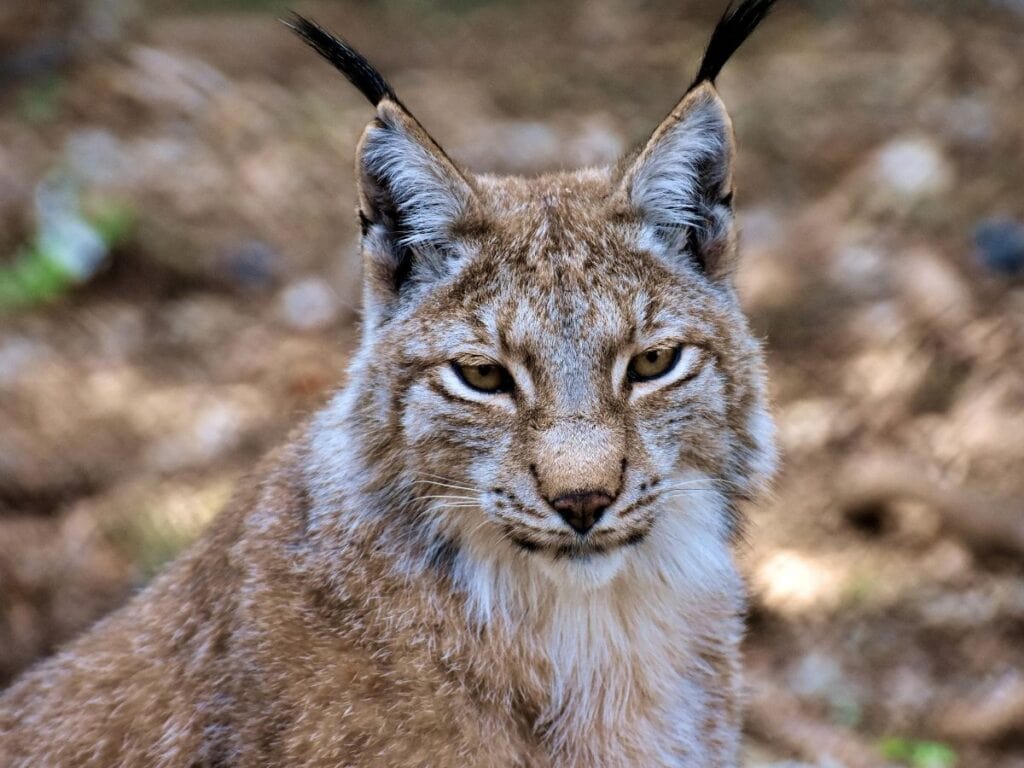
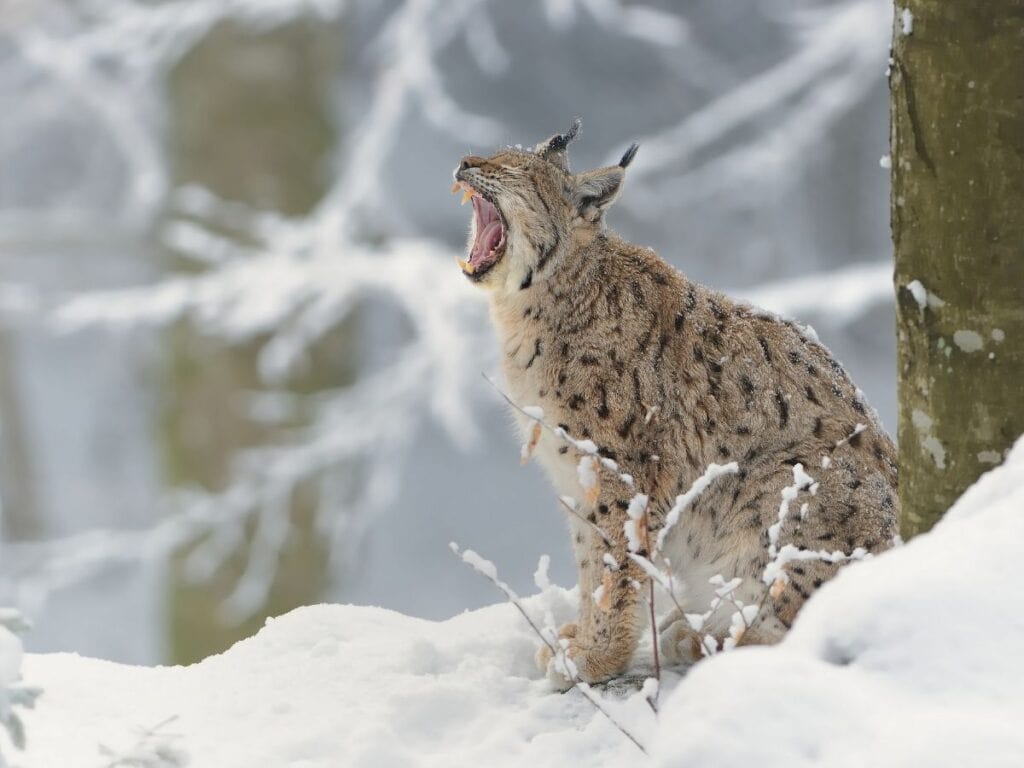
Those distinctive black tufts on lynx ears aren’t just for decoration (though they also look awesome).
German speakers call the lynx “pinselohr,” which means “paintbrush ears,” because of these iconic tufts.
The ear tufts are actually believed to enhance hearing by funneling sound waves into the ear canals.
Combine this with their ability to rotate ears independently 180 degrees, and lynx basically have satellite dish hearing.
They can detect the footsteps of prey like roe deer from hundreds of feet away in dense forest.
Adult lynx also have a distinctive facial ruff (that’s their fluffy cheeks) that makes their face look larger and more intimidating to rivals.
Between the ear tufts, facial ruff, and intense gaze, Romanian lynx look like they’re permanently judging everyone 😼 (as seen in the photo above).
3. Each Lynx Has a Unique Spot Pattern Like a Fingerprint
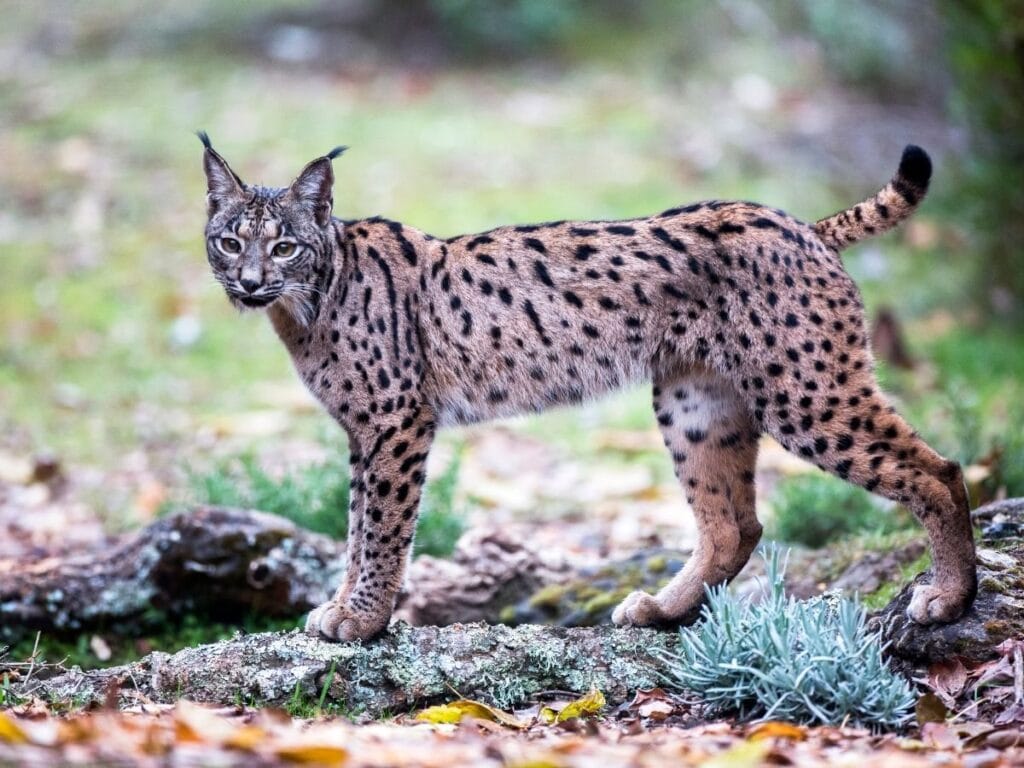
The national animal of Romania comes with built-in identification markers that functions much the same as the human fingerprint
Every single Carpathian lynx has a completely unique spot pattern on its fur, kind of like human fingerprints or zebra stripes.
No two lynx have identical markings, and Carpathian lynx actually have denser, more prominent spots than other lynx subspecies.
This makes camera trap monitoring way easier since scientists can identify individual lynx just by looking at photos.
Some Romanian lynx don’t have spots at all and are almost uniformly colored, making them even more distinctive.
In winter, lynx grow incredibly thick fur that makes them look chunky and fluffy, while summer coats are reddish-brown for better camouflage in rocky forests.
The coat color shifts with seasons, but those unique spot patterns stay the same for life.
4. Lynx are So Silent They Can Live Among Villages Undetected for Years
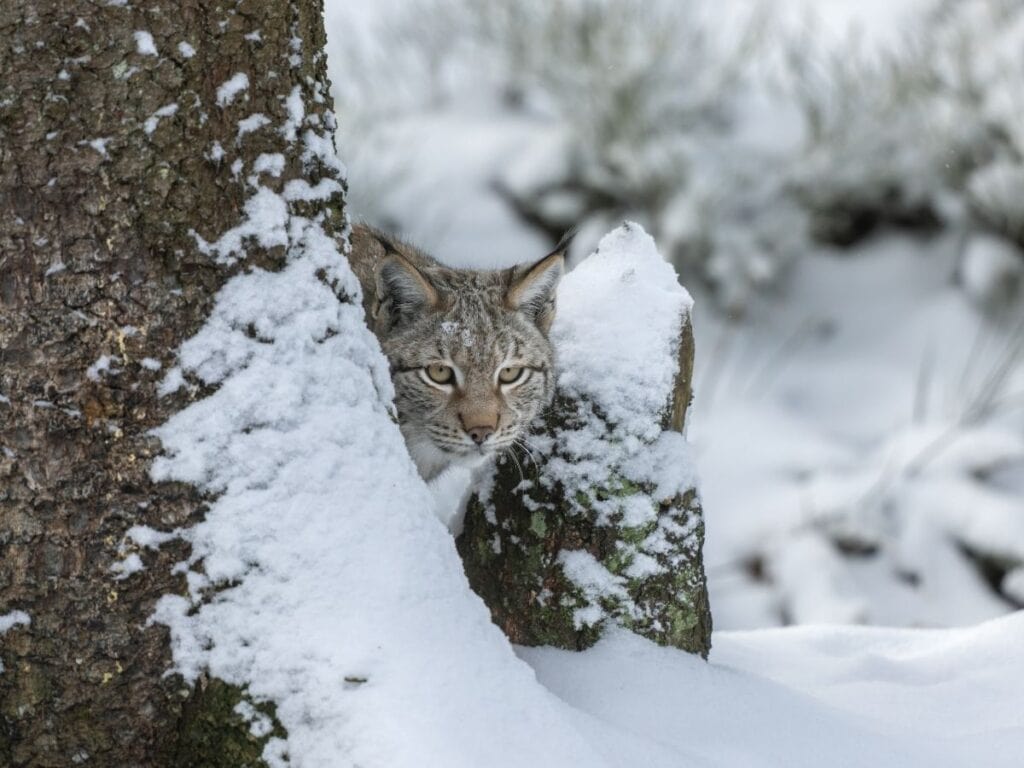
Here’s what makes Romania’s national animal absolutely mind-blowing: Lynx are so quiet they’re basically ghosts 👻
These big cats rarely make sounds outside breeding season; March is when you’ll hear haunting growls and meows.
They have padded paws that make virtually no noise when walking, even on crunchy forest debris.
Romanian villagers living in the Carpathian foothills have reported discovering lynx tracks 100 feet (30 m) from their houses and having no idea lynx were nearby.
Unlike wolves (which howl) or bears (which make tons of noise), a lynx can be your neighbor and you’d never know.
Scientists tracking lynx in Romania’s forests describe it as “tracking a ghost” because the animals vanish like smoke.
This stealth ability helps lynx avoid conflicts with humans, which is probably why Romania still has so many compared to other European countries.
5. Romania’s Lynx Have Territories Bigger Than NYC
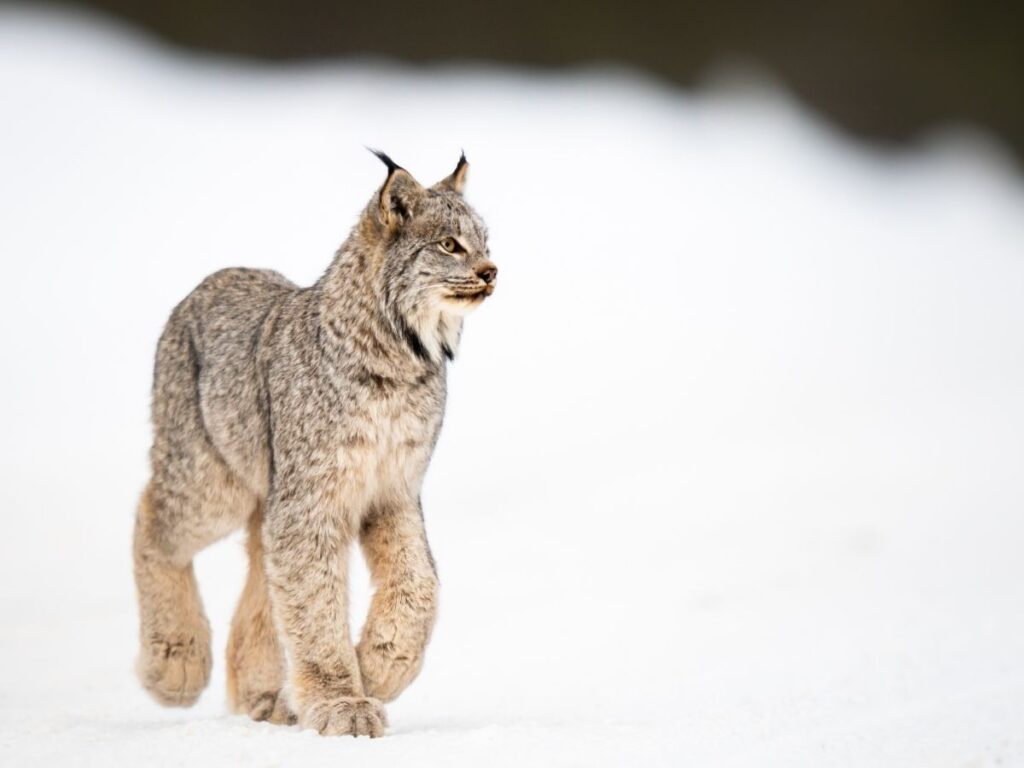
The national animal of Romania needs A LOT of space to survive.
A single adult male lynx claims a territory anywhere from 8 to 174 square miles (20 to 450 km²), depending on prey availability.
For reference, Manhattan (New York City) is only 23 square miles (59 km²), so one Romanian lynx might patrol an area seven times larger than Manhattan.
Female territories are smaller but still huge at 5-77 square miles (12-200 km²), and females defend exclusive hunting ranges that don’t overlap with other females.
Males maintain larger territories that do overlap with multiple female territories.
Lynx patrol their entire territory regularly, leaving scent marks and climbing onto high rocks to scan for intruders.
This is why Romania’s vast, unfragmented Carpathian forests are so critical, as the lynx literally can’t survive in small, broken-up habitats.
6. Romanian Lynx Were Once Legal to Hunt (And Population Numbers Might Be Inflated)
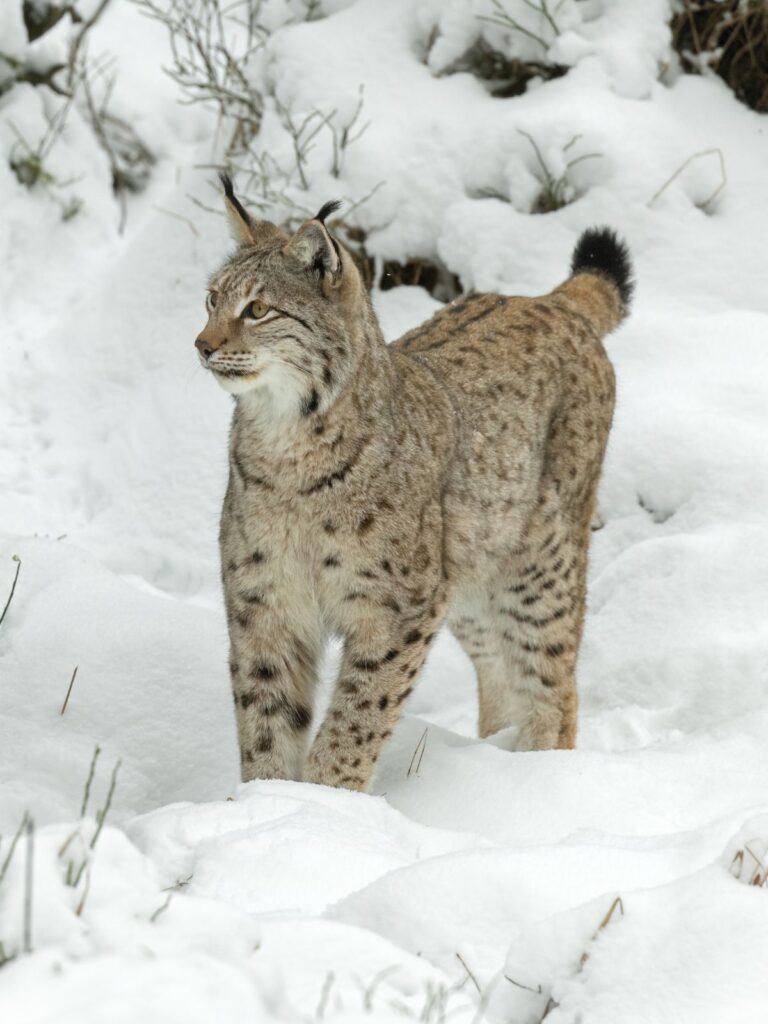
Here’s the controversial truth: Romania allowed limited lynx hunting until recently, and nobody really knew how many lynx actually existed.
Official Romanian government figures claimed more than 2,000 lynx, but these numbers were based on “expert opinions” (ie. guesses) not scientific counts.
Some conservationists believe the real population might be significantly lower, which is concerning.
Hunting quotas were set based on these potentially exaggerated numbers, which could have pushed lynx populations toward danger.
Modern camera trap studies are finally providing accurate population data, but Romania still has work to do.
The biggest threats to Romanian lynx today are habitat fragmentation (ie. roads cutting through forests), prey depletion from overhunting deer, and poaching 😠
Conservation groups like Life Lynx are working with Romanian villagers to reduce conflicts and promote the lynxes as a tourism draw.
7. Romania’s National Animal Can Take Down Prey Three Times Its Size
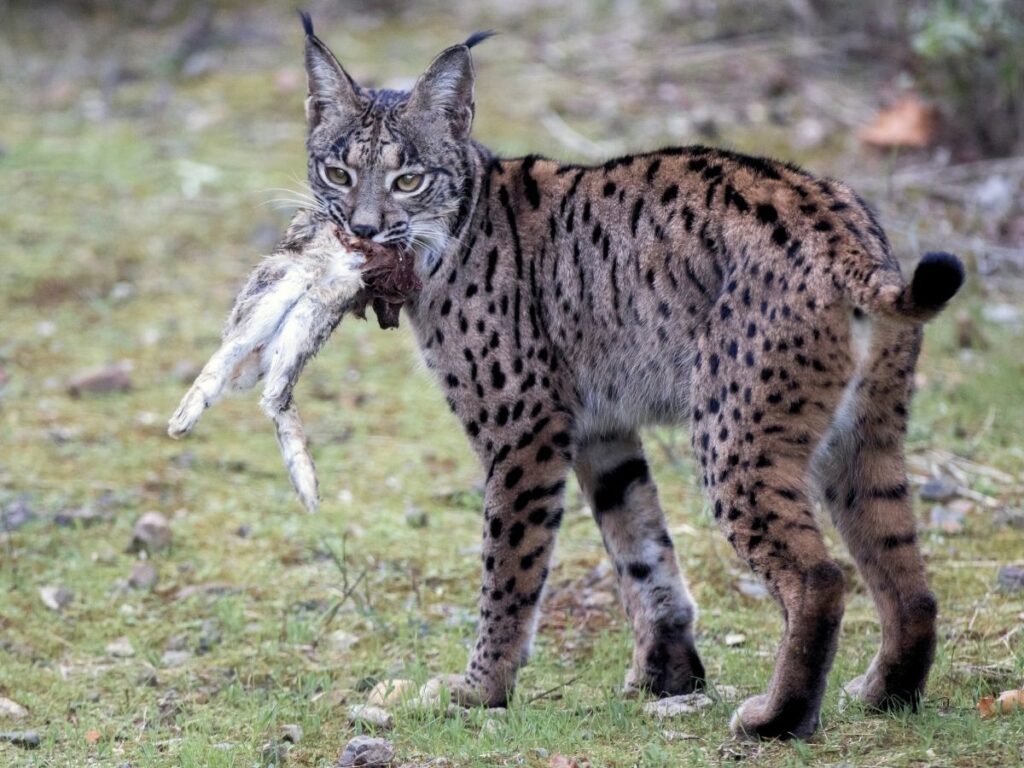
Don’t let the “medium-sized” label fool you, as Romanian lynx weigh 26-70 pounds on average (12-32 kg).
These cats are ambush predators that can successfully hunt roe deer, one of the most common animals in Romania, weighing 110-220 pounds (50-100 kg).
That’s like a house cat regularly taking down full-grown humans — though thankfully, lynx have zero interest in people.
Lynx hunt by stalking silently to within 65 feet (20 m), then exploding in a lightning-fast charge reaching 30 miles per hour (50 km/h).
They kill with a precise bite to the neck or throat, using powerful jaws and canine teeth up to 1 inch (2.5 cm) long.
A single Romanian lynx can consume 4-6 pounds (2-3 kg) of meat per day, and they cache extra food under snow or leaves for later.
When prey is scarce, lynx will eat rabbits, foxes, grouse, and even mice, showing remarkable adaptability.
8. Lynx are Basically Olympic High Jumpers
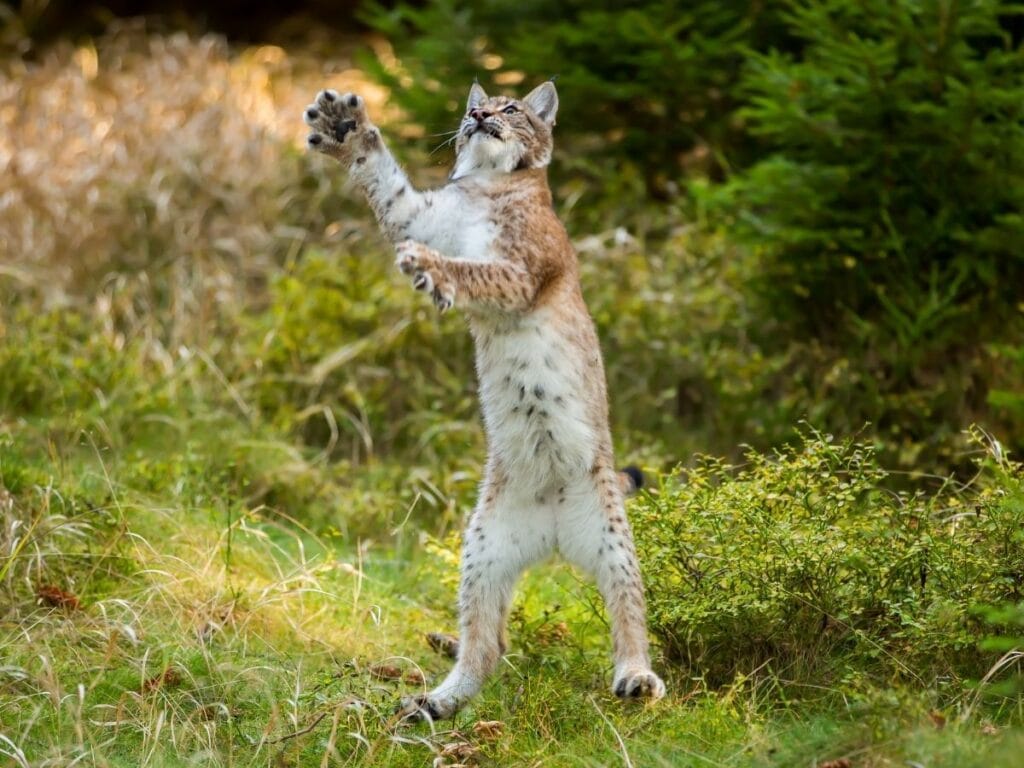
This fact sounds impossible, but the national animal of Romania is basically a furry spring.
Eurasian lynx can leap vertically more than 16 feet (5 m) straight up into the air from a standstill.
For horizontal distance, they can jump more than 23-feet-high (7 m) in a single bound.
This is how they catch birds right out of low branches and pounce on prey from elevated positions.
Their incredibly muscular hind legs, which are noticeably longer than front legs, provide this explosive jumping power.
Lynx also have huge furry paws that work like snowshoes, letting them walk on top of snow while prey animals like deer break through and get stuck.
Imagine being a deer, stuck in 3 feet (1 m) of snow, and watching a lynx casually walk across the surface toward you — which is the stuff of nightmares 😱
9. You Can Track Lynx in Romania During Winter on Snowshoe Safaris
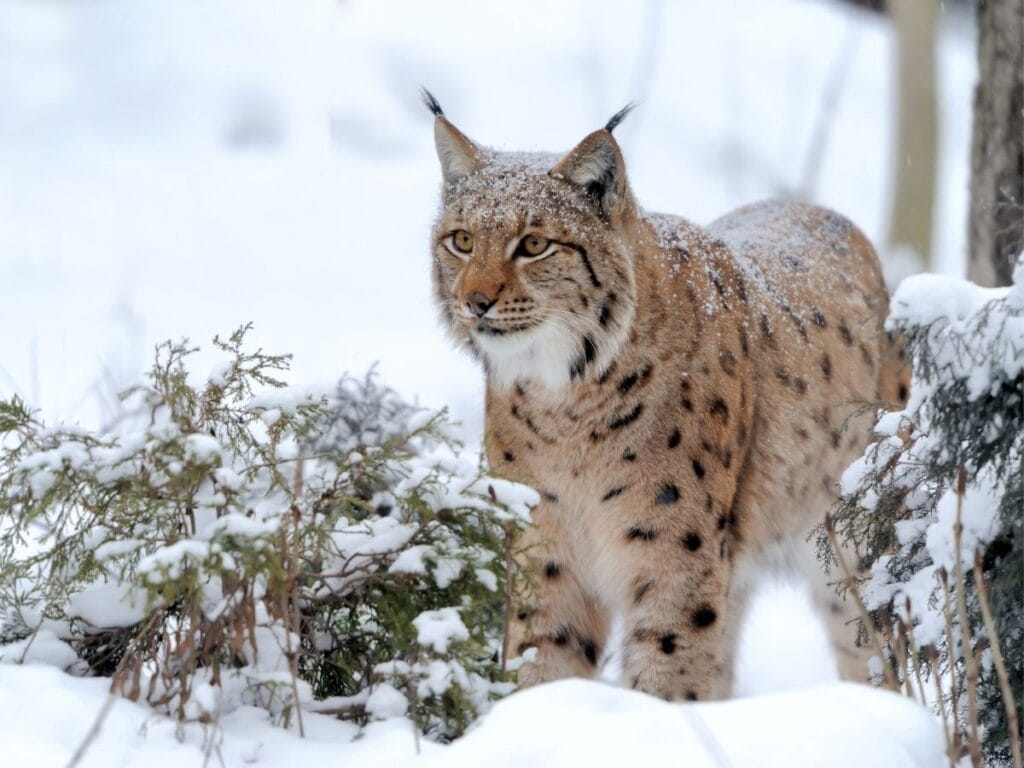
Want to see Romania’s national animal in the wild? Winter is actually the best time — and you can book Romanian wildlife tours here.
January through April is prime lynx-tracking season in Romania for these four reasons:
- Fresh snow shows perfect paw prints 🐾
- It’s mating season (which peaks in March) so lynx are actively traveling and vocalizing
- Thick winter coats make lynx look absolutely majestic
- Prey animals concentrate at lower altitudes, bringing lynx closer to villages
Conservation organizations in Romania’s Southern Carpathians run winter tracking expeditions where you follow fresh lynx tracks through the snow.
You may never see the lynx itself (they’re too stealthy), but finding tracks, scat, cached prey, and hearing mating calls is an incredible experience.
Wildlife photographers specifically come to Romania in winter because lynx are most visible against white snow backgrounds.
Plus, the Romania Carpathian Mountains look like actual Narnia in winter ✨❄️✨
10. Lynx Watching Brings Tourist Money That Helps Protect Romanian Forests
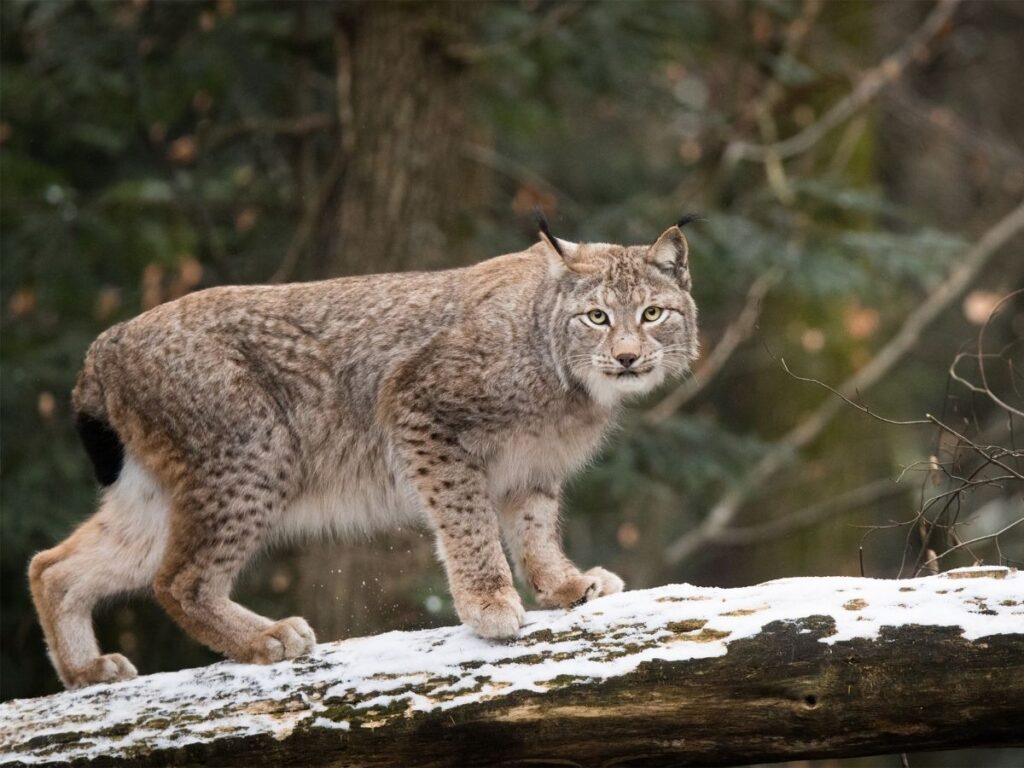
Every wildlife tourist who pays to track Romania’s national animal is voting with their wallet for forest conservation.
Lynx-watching tours for vacationers pump money into rural Carpathian communities, showing locals that living lynx are worth more than dead ones.
Tourism revenue supports conservation work: Anti-poaching patrols, wildlife corridor protection, camera trap monitoring, and community education programs.
When communities see economic benefits from lynx tourism, they’re more likely to tolerate lynx presence and oppose destructive logging or development.
Romania is quickly developing economically, which brings jobs but also habitat destruction through mining, infrastructure expansion, and industrial logging.
Wildlife tourism provides an alternative economic argument: Keep forests intact because tourists will pay to experience wilderness.
Plus, protecting lynx habitat automatically protects Romania’s other incredible wildlife like brown bears, wolves, wild boar, and countless bird species.
Our Final Thoughts on Carpathian Lynxes, the National Animal of Romania
The national animal of Romania represents Europe’s last great wilderness stronghold.
As home to more than 2,000 Eurasian lynx prowling ancient Carpathian forests, Romania plays an irreplaceable role in European conservation.
These silent, powerful cats with their distinctive ear tufts remind us that large predators can coexist with humans when given enough space.
Will Romania protect its forests and lynx for future generations, or will development fragment these critical habitats?
The answer depends partly on whether we show Romania that the world values its wild places (or not 🥺).