🦂 15 Weird Animals in New Mexico That Seem Made Up (But are 100% Real)
When you think of New Mexico, you probably picture deserts, cacti, and the occasional roadrunner darting across the road.
However, the Land of Enchantment is also home to some seriously strange wildlife.
From lizards that reproduce without males to bats that hunt scorpions on the ground, these weird animals in New Mexico have some incredible tricks up their sleeves.
Here are 16 unusual creatures that prove the desert is full of surprises.
1. New Mexico Whiptail
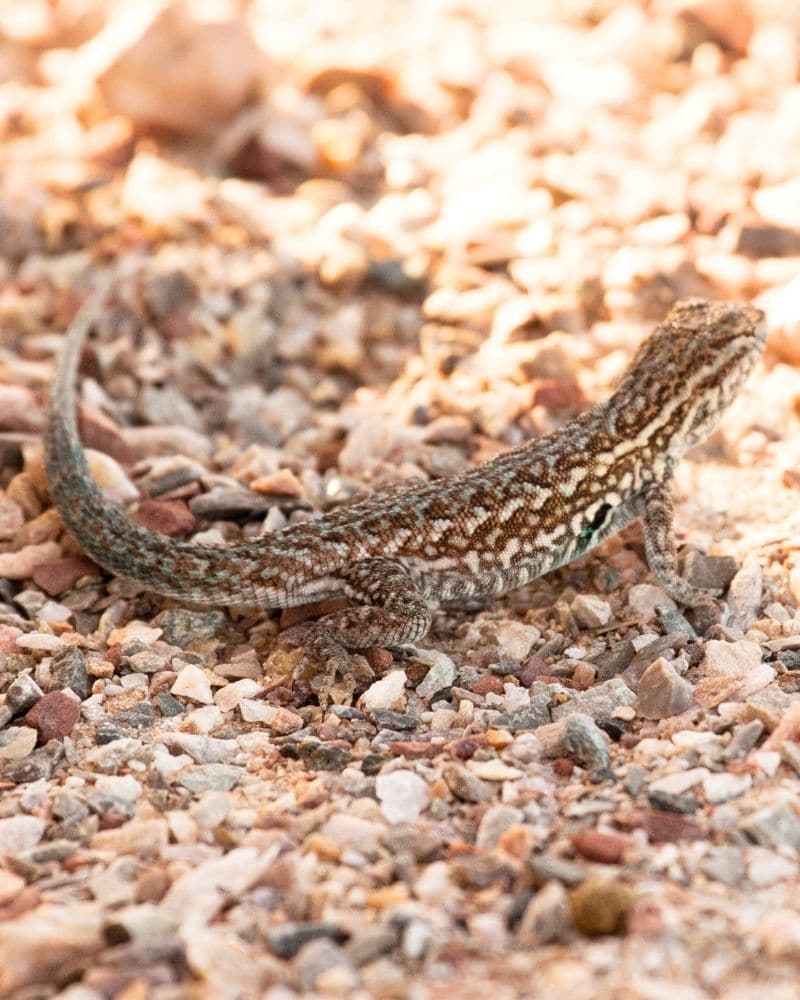
The New Mexico whiptail looks like a small, slender lizard with a long tail and several pale stripes running down its body.
And its appearance isn’t even the strangest thing about it 🙃
This remarkable reptile is an all-female species that reproduces through a process called parthenogenesis.
That means females can produce offspring without fertilization by males.
The species is native to the state and is officially recognized as the New Mexico state reptile.
It hunts insects in sandy washes, grasslands, and other areas with sparse vegetation.
🦎 Weird fact: New Mexico whiptails can produce offspring without males, and their young are essentially genetic copies of their mothers.
2. Pallid Bat
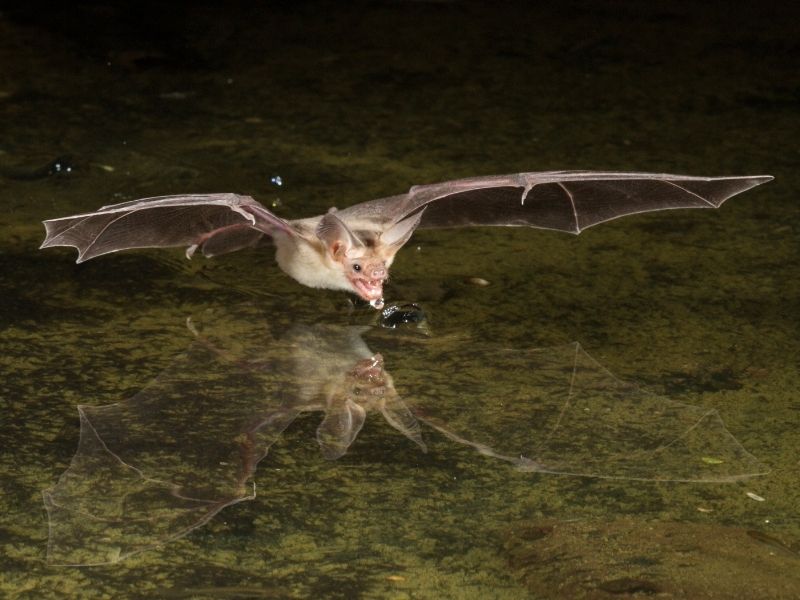
Most people picture bats swooping through the sky to catch flying insects, but the pallid bat does things a little differently.
Instead of relying exclusively on catching prey in midair, this pale-colored bat often hunts on the ground.
It uses its excellent hearing to locate crickets, beetles, spiders, and even scorpions.
Pallid bats live in New Mexico’s desert and dry woodland habitats. Their large ears help them detect sounds made by prey moving around in the dark.
🦇 Weird fact: Pallid bats can hunt scorpions and other crawling prey rather than chasing insects through the air.
3. Pinacate Beetle

The pinacate beetle is sometimes called a “stink beetle” — and for good reason.
When threatened, this dark-colored insect can release a foul-smelling chemical defense.
It may also raise its rear end into the air as if it’s preparing to perform a tiny handstand.
This unusual posture helps direct the unpleasant secretion toward potential attackers.
Pinacate beetles are well adapted to dry environments and can often be found wandering across the ground in the southwestern U.S.
They feed on organic material, including decaying plant matter.
🪲 Weird fact: When disturbed, this beetle can produce a smell that makes it the insect equivalent of a tiny skunk.
4. Ringtail Cat

The ringtail has a slender body, large eyes, rounded ears, and a long tail marked with alternating dark and light rings.
It looks a little like a cross between a house cat, a raccoon, and a lemur — but despite its appearance, the ringtail belongs to the raccoon family.
It’s an excellent climber that can navigate rocky cliffs, canyon walls, and trees with impressive agility.
Ringtails are mostly nocturnal and eat a varied diet that includes insects, small mammals, fruit, and other available foods.
They’re found in rocky habitats throughout much of New Mexico.
🦝 Weird fact: Ringtails can rotate their hind feet to help them climb down steep surfaces headfirst.
5. Greater Roadrunner

The greater roadrunner is one of the southwest’s most recognizable birds, but its hunting skills are even more impressive than its appearance.
Among the world’s weirdest birds, they prefer land to air. Ground-dwelling birds, they usually sprint after prey rather than flying to catch it.
They eat insects, lizards, small snakes, rodents, and other animals they can overpower.
Roadrunners are particularly well suited to New Mexico’s dry landscapes.
Their long legs and tail help them move quickly across open ground and maneuver around obstacles.
🐦⬛ Weird fact: Roadrunners can prey on venomous rattlesnakes, although tackling some of New Mexico’s dangerous animals is obviously risky.
6. Gila Monster
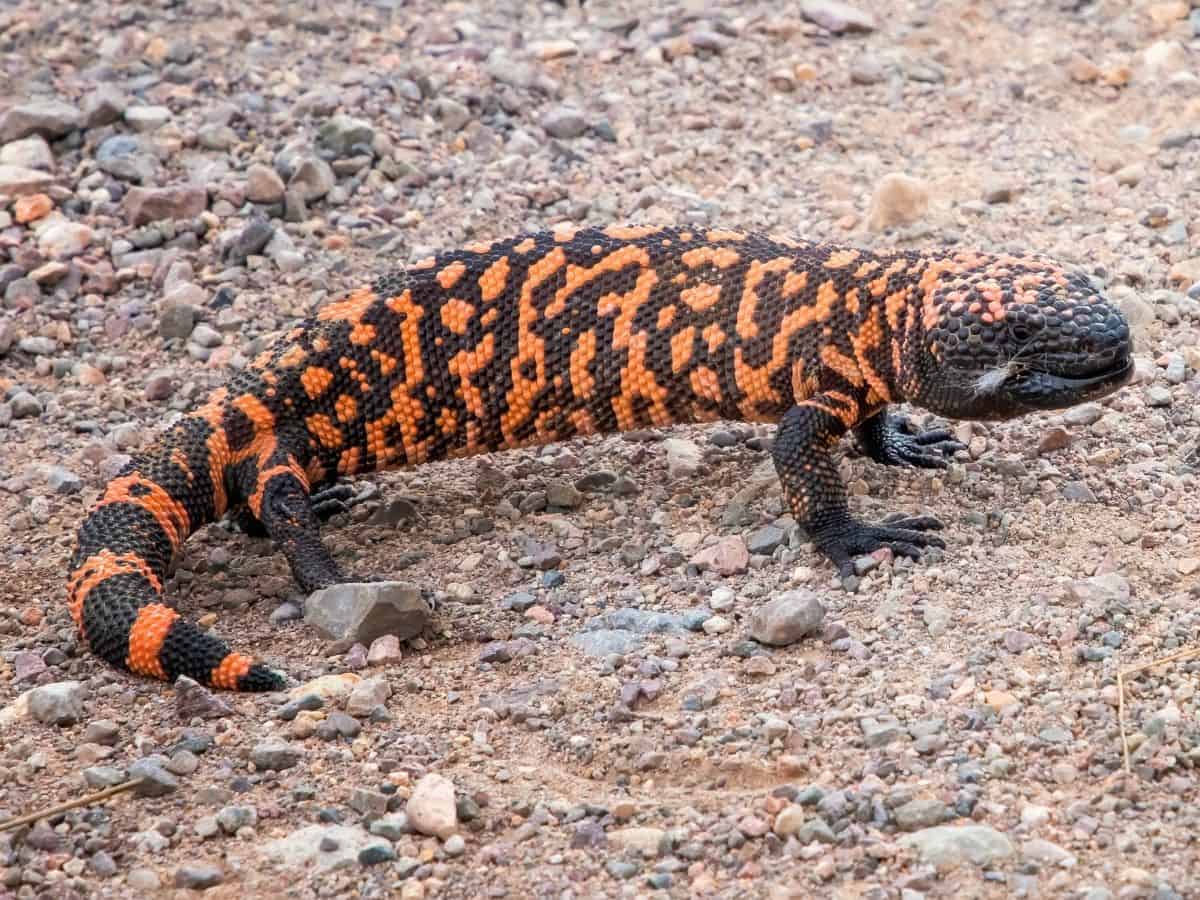
The Gila monster is a stocky lizard covered in striking black, orange, and pinkish markings that resemble little beads.
One of the world’s weirdest animals, it looks like a creature that belongs in a prehistoric movie.
Unlike most lizards, the Gila monster is venomous. Its venom is delivered through grooves in its lower teeth when it bites.
These reptiles spend much of their time sheltering underground or beneath rocks.
They feed on eggs, small mammals, birds, and other animals, and they can store fat in their tails to help them survive when food is scarce.
🦎 Weird fact: Gila monsters can store energy in their tails and use those reserves during lean periods.
7. Greater Short-Horned Lizard

The greater short-horned lizard looks more like a miniature dinosaur than an ordinary reptile 🦖
Its broad, flattened body and short horns give it a distinctive menacing appearance.
When threatened, it often relies on camouflage and remains motionless against the ground.
Some short-horned lizards can also squirt blood from the corners of their eyes as a defense against certain predators.
They occur in parts of New Mexico where suitable open habitats provide places to feed and hide.
These unusual reptiles eat ants and other small invertebrates.
🦎 Weird fact: The blood-squirting defense is particularly associated with horned lizards, although it doesn’t work equally well against every predator.
8. Desert Bighorn Sheep

Desert bighorn sheep are famous for the enormous curved horns carried by males.
These horns can become so large that they appear almost disproportionate to the animal’s head.
They live in rugged, rocky landscapes where their sure-footed climbing abilities help them escape predators.
Their hooves have specialized surfaces that provide grip on steep terrain.
Desert bighorn sheep also cope with scarce water better than many large mammals.
They obtain moisture from their food and visit water sources when available.
🐏 Weird fact: Their specialized hooves help them navigate rocky slopes that would be difficult for many other large mammals.
9. Mexican Free-Tailed Bat

At dusk, Mexican free-tailed bats can emerge from roosts in enormous groups.
Watching thousands of bats pour into the evening sky can be an unforgettable sight.
These fast-flying mammals use echolocation to navigate and locate prey in darkness, feeding on insects like moths and beetles.
New Mexico provides important habitat for these bats, including caves and other sheltered roosting sites.
Also among the common animals in Mexico, their nightly feeding activity also helps control insect populations.
🦇 Weird fact: Mexican free-tailed bats are fast fliers that can cover considerable distances while searching for food.
10. Abert’s Squirrel

Abert’s squirrel has long, tufted ears that make it look as though it’s wearing little furry earmuffs.
Its appearance is particularly distinctive during winter, when the ear tufts are more noticeable.
This tree squirrel is strongly associated with ponderosa pine forests where it feeds on pine seeds, buds, bark, fungi, and other foods found in its woodland habitat.
Unlike squirrels that spend much of their time in parks and gardens, Abert’s squirrels are adapted to life among large pine trees.
Their presence is closely connected to the health and structure of these forests.
🐿️ Weird fact: Those impressive ear tufts give Abert’s squirrel one of the most recognizable silhouettes of any North American tree squirrel.
11. White-Nosed Coati
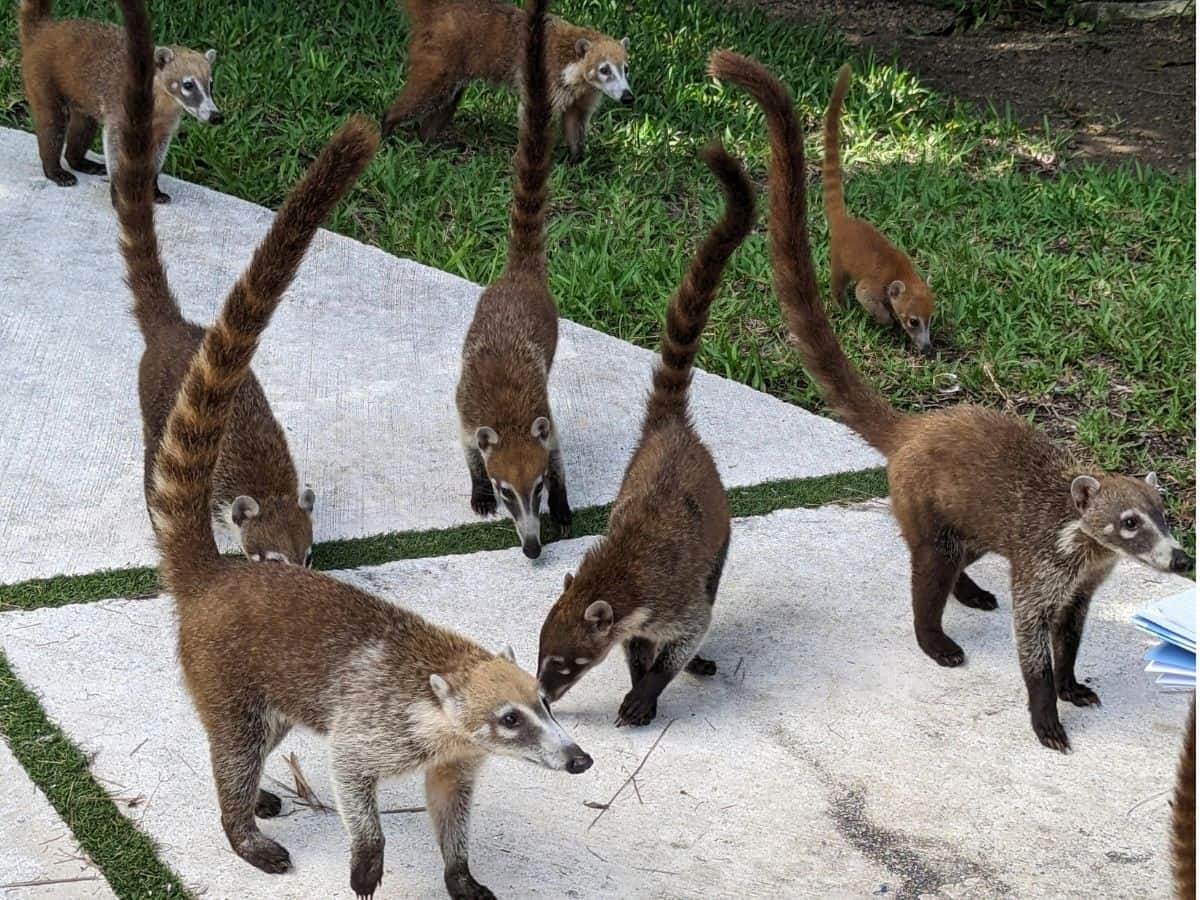
The white-nosed coati looks like a raccoon stretched out into a long, slender body with a pointed snout and a long tail.
Its tail is often held upright as it walks through vegetation.
Coatis are members of the raccoon family and use their flexible noses to investigate crevices, leaf litter, and the ground while searching for food.
Their diet includes insects, fruit, eggs, and small animals.
Coatis in New Mexico mainly live in the state’s southwestern region, which is why they may be less familiar than the state’s more widespread mammals.
🦝 Weird fact: A coati’s long snout helps it probe into narrow spaces while searching for hidden food.
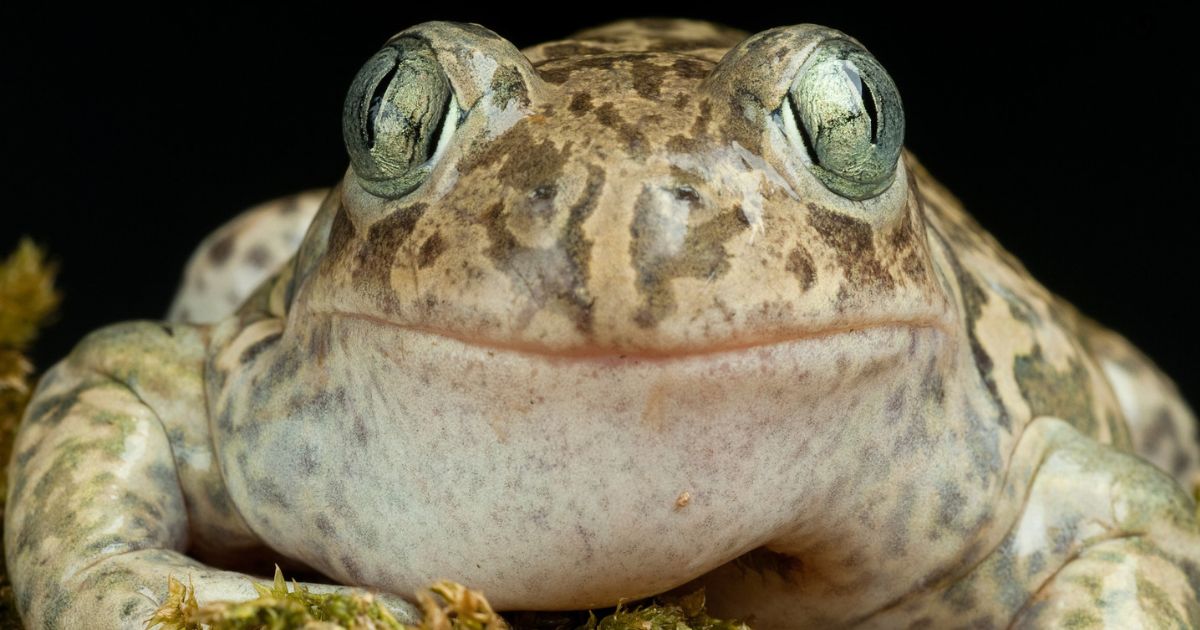
12. Spadefoot Toad

The spadefoot toad is built for life in places where rain can be unpredictable, like New Mexico and other desert states.
It has a small, shovel-like structure on each hind foot that helps it dig into the soil.
During dry periods, it may remain underground until rainfall creates suitable conditions for breeding.
After heavy summer storms, spadefoot toads can emerge and gather in temporary pools.
Their eggs and tadpoles develop quickly because the pools may disappear as the weather becomes dry again.
This fast-paced life cycle is a remarkable adaptation to desert conditions.
🐸 Weird fact: Some spadefoot tadpoles develop extremely quickly in temporary pools, helping them finish their aquatic stage before the water disappears.
13. Western Spotted Skunk

The western spotted skunk is smaller and more slender than the striped skunk many people recognize.
Its black coat features broken white markings that look almost like a series of stripes and spots.
When threatened, this skunk can release a powerful-smelling spray.
It may also perform a handstand-like pose, lifting its hind legs into the air before spraying.
Western spotted skunks are nocturnal and feed on insects, small mammals, eggs, and other foods.
They may shelter in rocky crevices, burrows, or other protected spaces.
🦨 Weird fact: The western spotted skunk can balance on its front feet and raise its hindquarters as part of its defensive display.
14. Desert Banded Gecko

The desert banded gecko is a small, nocturnal reptile with large eyes and a banded pattern across its body.
Unlike many lizards, geckos generally lack movable eyelids and use their tongues to clean their eyes.
These geckos shelter in rocky crevices and other protected spaces during the heat of the day.
At night, they emerge to hunt insects and other small invertebrates.
Their delicate appearance can make them seem fragile, but they are well adapted to New Mexico’s harsh conditions of arid landscapes.
Their coloration also helps them blend into sandy and rocky surroundings.
🦎 Weird fact: Because geckos don’t have movable eyelids, they use their tongues to keep their eyes clean.
15. Black-Tailed Jackrabbit

The black-tailed jackrabbit has enormous ears, long hind legs, and a body built for quick escapes.
Despite its name, it isn’t a true rabbit but a hare. While rabbits are small, social and burrowing; hares are large, solitary and fast.
Those large ears help release excess body heat, which is particularly useful in New Mexico’s hot, dry environments.
The jackrabbit can also detect approaching predators and sprint away at impressive speeds.
It feeds on grasses, shrubs, and other vegetation. Its ability to survive on relatively dry plant material helps it live in landscapes where water can be scarce.
🐇 Weird fact: A jackrabbit’s oversized ears aren’t just for hearing; they also help regulate its body temperature.
Weird Animals in New Mexico FAQ
What is the weirdest animal in New Mexico?
The New Mexico whiptail is a strong contender because this all-female lizard species can reproduce without fertilization.
The pallid bat is another unusual animal because it often hunts prey on the ground, including scorpions.
Are there animals found only in New Mexico?
Some species have very restricted ranges, and New Mexico is home to wildlife found in relatively few places.
However, many of the state’s strangest animals also live in neighboring U.S. states and as far south as Mexico 🇲🇽
What is the strangest reptile in New Mexico?
The Gila monster is a good candidate because of its distinctive orange-and-black markings, venomous bite, and ability to store fat in its tail.
The New Mexico whiptail is another unusual reptile because of its reproductive biology.
Are there dangerous animals in New Mexico?
Yes. New Mexico is home to venomous snakes, including rattlesnakes, as well as mountain lions and black bears.
Most wildlife avoids people when given the opportunity, so observing animals from a safe distance is important.
What animal is New Mexico most famous for?
The greater roadrunner is one of the state’s best-known animals, and the New Mexico whiptail is its official state reptile.
The state also has a rich variety of desert, grassland, mountain, and forest wildlife.