
🙀 You Won’t Believe How Much These Top 10 Most Expensive Cat Breeds in the World Cost
When it comes to luxury pets, certain cat breeds stand out not just for their beauty and unique traits but also for their hefty price tags.
These breeds, often rare and highly sought-after, can command prices that reflect their exclusivity and pedigree.
From hairless wonders to exotic hybrids with wild ancestry, each of these expensive cat breeds brings something special to the table.
Whether you’re considering investing in one of these elite felines or simply curious about what makes them so valuable, understanding both their characteristics and the true cost of ownership is essential before making such a significant commitment.
10. Maine Coon Cats: $400 and $3,000

💵 Maine Coons cost between $400 and $3,000, with show-quality specimens commanding higher prices.
These gentle giants are some of the biggest domestic cats in the world, growing up to 40 inches long and weighing up to 18 pounds.
Maine Coons have been on the Cat Fanciers’ Association’s top breed list for years, ranking number one for 2024.
Though Maine Coons are one of the largest cat breeds, they’re widely considered to be one of the friendliest.
They have long, athletic builds with fluffy coats.
These kitties need extra mental stimulation, so keep them occupied with toys and games.
They’ll still spend plenty of time relaxing but won’t mind catching the odd mouse.
Maine Coons love to spend time outdoors and then come inside to be with their humans. They can live with other pets and enjoy singing a kitty tune.
For owners who don’t mind having an extra-large and extra-active kitty, they’ll be a perfect fit.
9. Ragdoll Cats: $800 to $3,500

💵 Ragdolls range from $800 to $3,500 for pet-quality kittens from reputable breeders.
The name comes from their tendency to go completely limp and relaxed when picked up, like a ragdoll.
Many Ragdolls will let you pick them up and carry them around like a baby.
You can also wear them around your neck like a stole, as Taylor Swift famously did on the cover of Time magazine in 2023 with har ragdoll cat, Benjamin Button.
These big, ultra-fluffy cats with piercing blue eyes are more than just a pretty face.
Other cats likely wish they could pull off the cartoonishly fluffy coat that Ragdolls effortlessly flaunt.
The flip side is these felines require the most loving cat parents to clean up shed fur when seasons change.
Because of their long coats, Ragdolls need daily brushing.
They can happily live with other pets and enjoy a mix of quiet time and playtime.
They’re highly affectionate and love to cuddle with their favorite humans. For the most part, ragdoll cats great with kids.
They can grow 17- to 21-inches-long (43-53 cm), weigh up to 20 pounds (9 kg), and live up to 17 years.
8. Scottish Folds, the Folded-Ear Cats: $1,000 to $3,000

💵 Scottish Folds range from $1,000 to $3,000, with folded-ear specimens commanding higher prices.
Partly due to Taylor Swift owning two Scottish Folds named Meredith Grey and Olivia Benson, prices have gone up in recent years.
The breed’s defining feature is its dominant genetic mutation that causes ears to fold forward towards the front of its head, giving them a teddy bear or owl-like appearance.
Folded ears appear in about half of all Scottish Fold kittens after approximately 21 days.
For health reasons, it’s important to never breed two cats with folded ears together.
One important consideration is that Scottish Folds’ folded ears happen due to osteochondrodysplasia, a condition that causes a cartilage abnormality.
As the cat ages, it can cause pain in other body parts including arthritis and stiffness.
Docile, tolerant, affectionate, and good-natured, this breed gets very attached to its owner.
7. British Shorthair Cats: $1,200 to $3,000
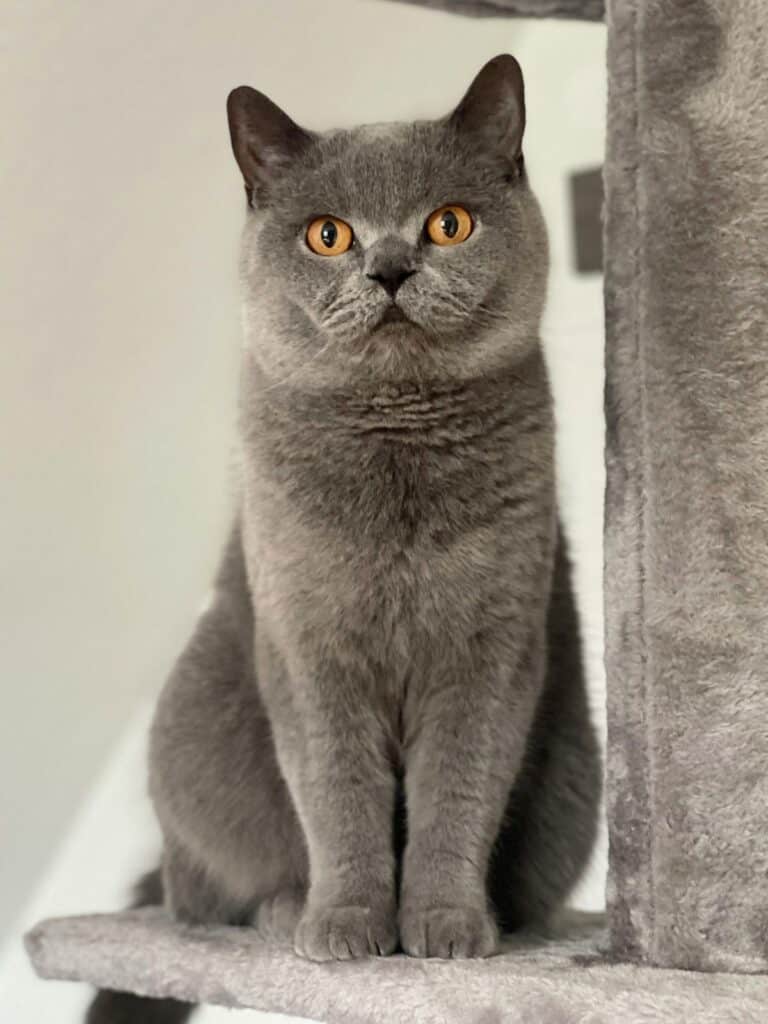
💵 British Shorthairs cost between $1,200 and $3,000 depending on color and lineage.
This breed is one of the world’s oldest, descended from cats imported to Rome from ancient Egypt.
Known for its short, dense coat, the British Blue variant with smoky blue coloring and copper-colored eyes is the most coveted and pricey.
The large-boned breed boasts big round eyes, round heads, and jowls that suggest a mischievous smile.
In fact, the breed inspired illustrator John Tenniel’s rendition of the Cheshire Cat from Alice in Wonderland.
British Shorthairs come in various colors including black, calico, cream, red, silver, and tortoiseshell.
They’re not lap cats but prefer to snuggle next to you, and they love their people while being easily trainable.
They’re known for their clean bill of health, though they are prone to obesity if they access the treat jar too often.
The cost of this breed can be seen as justified by their generally healthy constitution (meaning lower vet bills).
6. Toyger Cats: $1,500 to $5,000
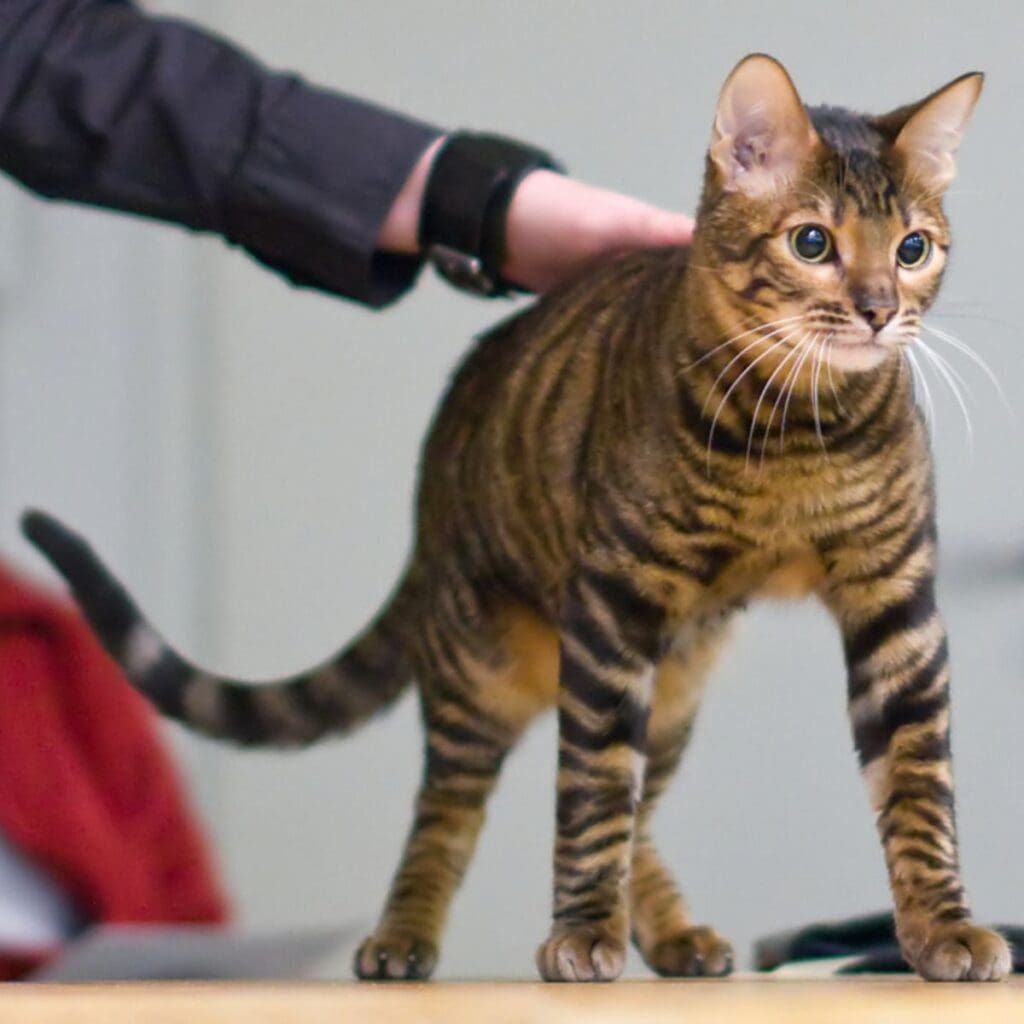
💵 Toygers obviously made our list of the Top 10 Most Expensive Cat Breeds in the World, costing $1,500 to $5,000, or more.
This newer breed was developed to capture the wild look of a striped tiger while behaving like a cute domesticated kitty.
Though it isn’t yet recognized by the Cat Fanciers’ Association, it definitely belongs on the list of rare and expensive cats.
They’re known for being smart and curious, so learning new tricks, solving interactive kitty puzzles, and playing with cat toys is essential mental stimulation.
Even though they have a wild tiger vibe, Toygers enjoy cuddling and affection. However, they might not tolerate a child’s overly enthusiastic cuddles.
Highly intelligent, Toygers are a good fit for owners who want to train their cat. They’ll adapt to almost any home environment and are a good match for families.
Prospective buyers should note that breeders traditionally donate a portion of sales proceeds to benefit tiger conservation efforts.
5. Persian Cats: $1,500 to $5,500

💵 Persian cats range from $1,500 to $5,500, with prices varying dramatically based on lineage and coat color.
With their beautiful, flowing coats, sweet faces, and calm personalities, the Persian is the glamor puss of the cat world.
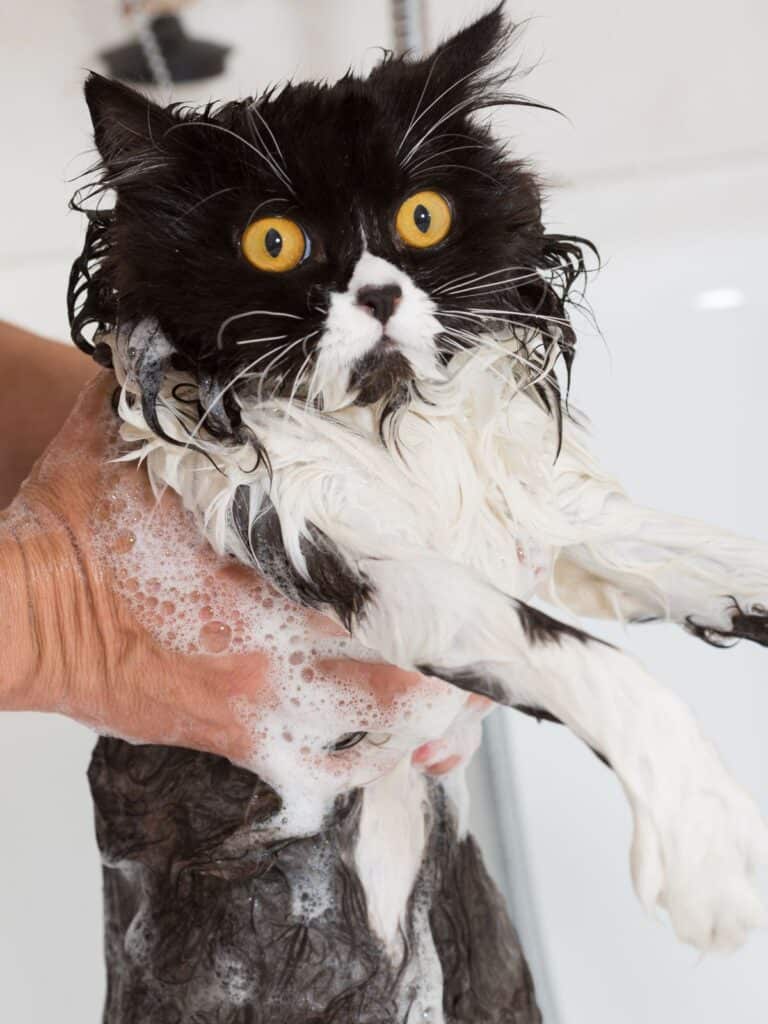
These gentle, affectionate cats require daily grooming to prevent their long, luxurious hair from tangling and forming hairballs.
A major drawback of adopting a Persian, aside from the hefty price tag, is the constant veterinary care this breed requires due to common maladies including polycystic kidney disease, hip dysplasia, and frequent urinary tract infections.
The fact this is a purebred means an individual’s lineage will determine just how high a Persian kitten’s price can rise.
British Shorthair Persians come in smoky blue color, which is the most coveted, and most pricey, color.
The combination of high-maintenance grooming and potential health complications makes Persians expensive to maintain throughout their 12-17 year lifespans.
4. Sphynx Hairless Cats: $1,500 and $6,000
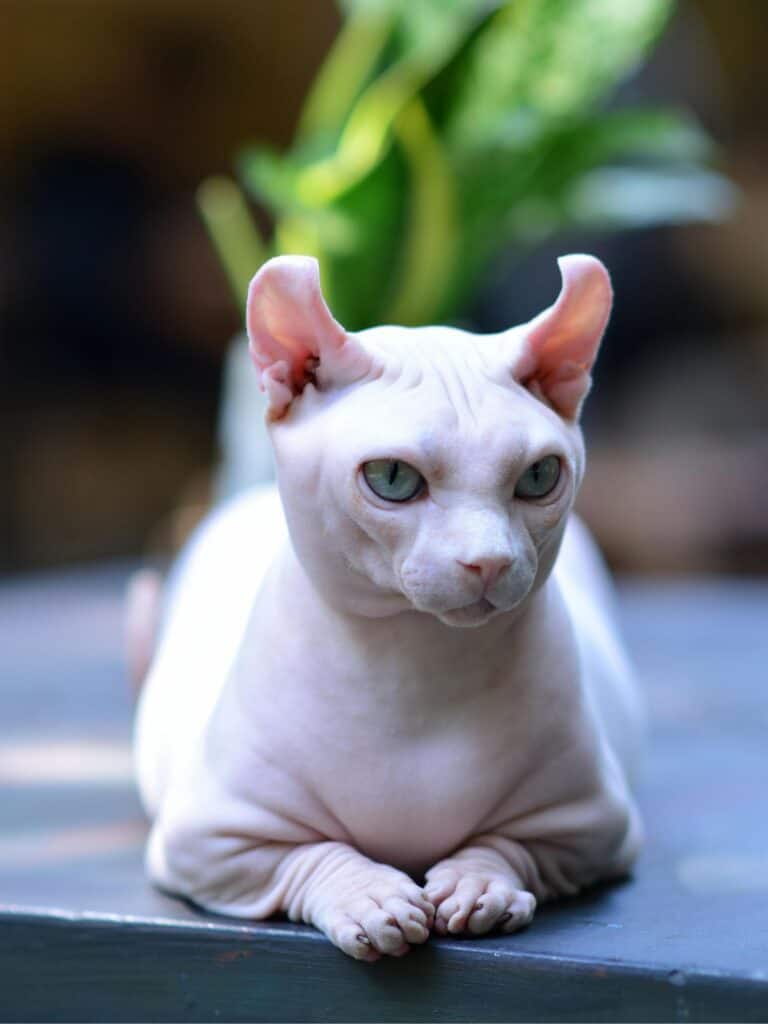
💵 Sphynx cats cost between $1,500 and $6,000, making them one of the most expensive breeds of cat (and possibly the strangest-looking).
One of the weirdest animals on the list, this hairless cat breed has only existed for a few decades, making it still quite rare.
Sphynx cats have big eyes and even bigger ears, with striking green eyes and an inability to grow any fur at all due to a natural genetic mutation.
Because they lack fur to absorb natural skin oils, Sphynx cats require regular baths and gentle cleaning to keep their skin healthy and comfortable.
They need protection with sunscreen when exposed to sun and must be washed regularly.
Although this breed’s aesthetic might not be everyone’s cup of tea, responsible breeders who produce top pet quality can ask for high, four-figure price tags.
They are friendly, playful, and happy to be the center of attention.
A Sphynx needs plenty of exercise, so make sure they have toys and cat trees to burn off excess energy.
This hairless breed is ideal for those with allergies because they obviously don’t shed hair, dander, etc.
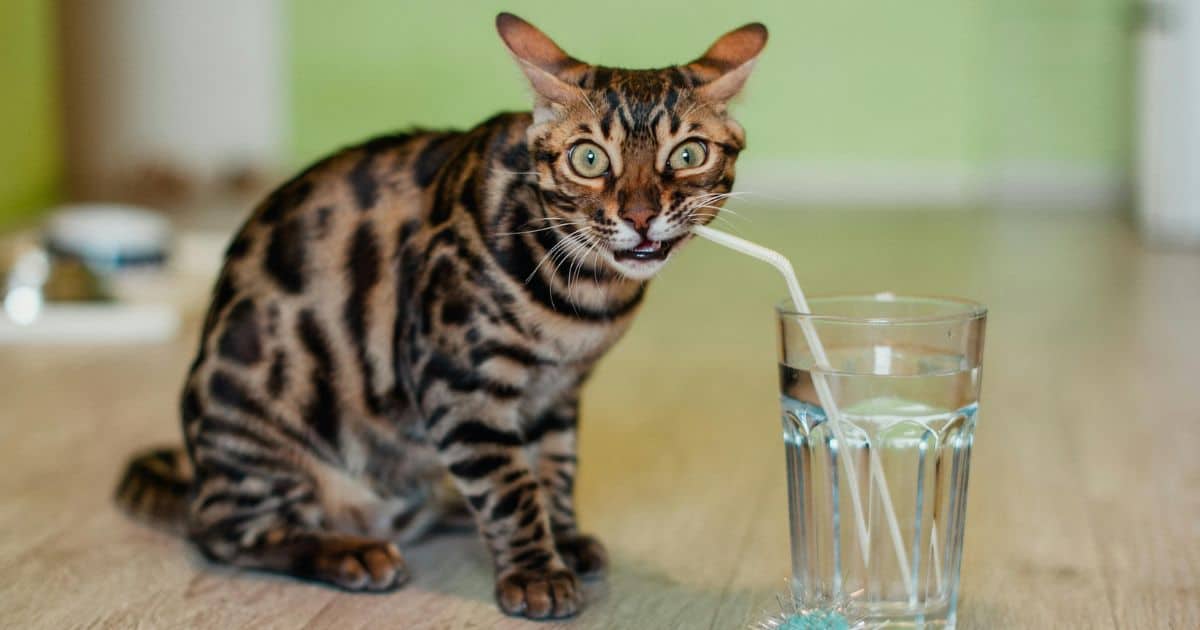
3. Bengal Cats: $1,500 and $25,000
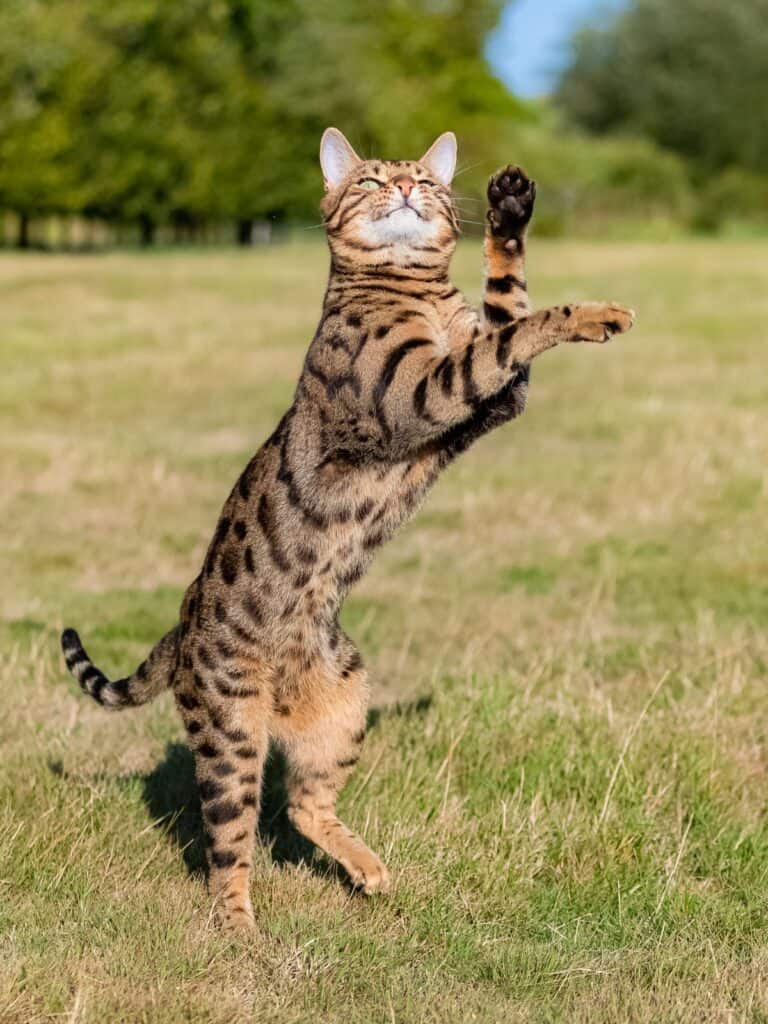
💵 Bengal cats command prices between $1,500 and $25,000, with show-quality specimens reaching the higher end.
Originating in the 1970s from a cross between a wild Asian leopard cat and domestic shorthairs, they’re known for their feral appearance with exotic spotted coats resembling leopards.
These athletic, muscular cats possess high energy levels and require substantial mental and physical stimulation.
Bengals form strong bonds with their owners and enjoy interactive play.
Their active nature can lead to higher food costs and potential for adventure-related veterinary visits.
Due to the time and effort involved in producing Bengals with desirable markings, an average cat can command an extraordinary price.
Their unique coat patterns maintain their high market value. Bengals can live 12-20 years if given proper nutrition, exercise, and loving attention.
2. Savannah Cats: $10,000 to $50,000

💵 Savannah cats rank as the second most expensive breed, with prices ranging from $10,000 to $50,000, depending on generation.
First-generation (F1) Savannahs, which have a serval parent, command the highest prices.
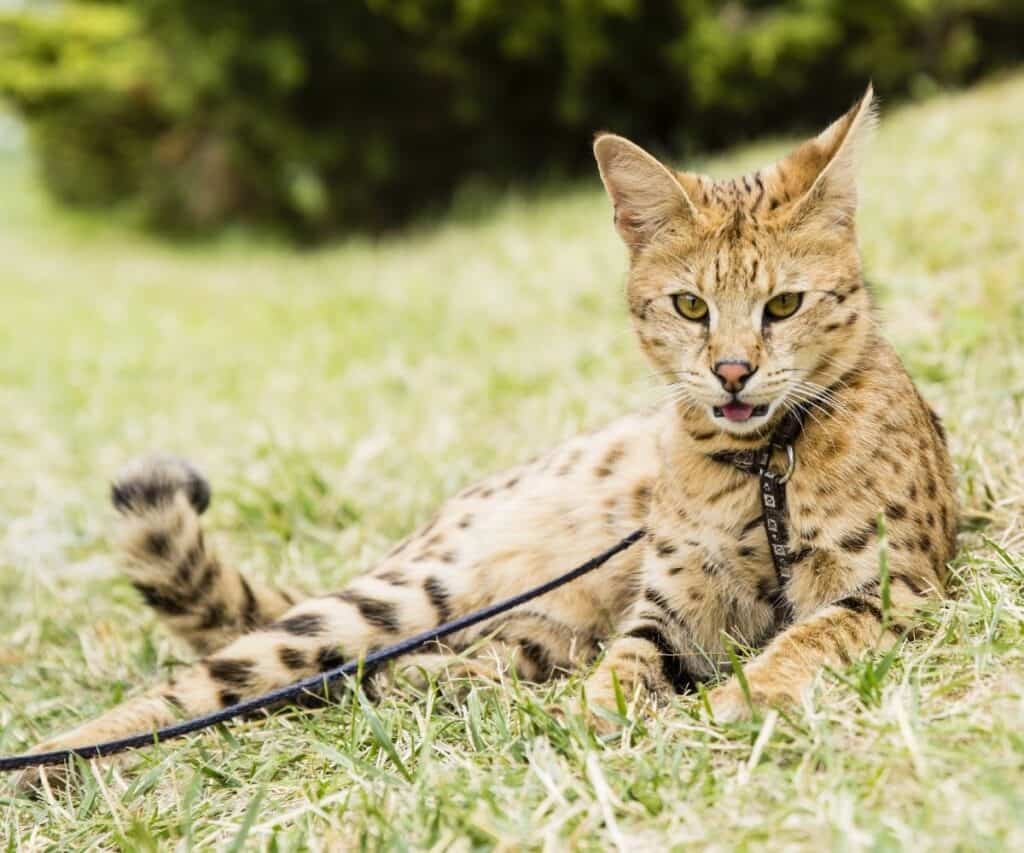
These stunning hybrids result from crossing a domestic cat with a wild African serval, creating a mini-leopard-like appearance with tall, lean bodies and spotted coats.
Their captivating look is matched by their equally intriguing personality, as Savannahs are known for their energetic and adventurous spirit.
They love to play and can even learn to walk on a leash, unlike most other cats.
Savannahs form strong bonds with their owners and can be quite affectionate. However, they thrive in environments that provide plenty of stimulation.
Many places require special permits due to their wild ancestry, adding legal compliance costs to ownership.
For example, they are banned in Hawaii, Georgia, Nebraska, and Rhode Island, and limited in other states, like Texas and Colorado.
1. Ashera Cats: $75,000 to $125,000
💵 The Ashera takes the crown as the most expensive cat breed in the world, with prices ranging from $75,000 to $125,000 — see, I told you #1 will floor you!
This exotic feline is marketed as a hybrid between an African serval, an Asian leopard cat, and a domestic house cat, creating a striking creature with mesmerizing spots and stripes.
However, controversy surrounds this breed.
The Ashera is widely considered a biotech scam, with many specimens sold as “Asheras” actually being Savannah cats.
Despite its wild ancestry claims, the Ashera is known for its domestic temperament and can be quite sociable and loving.
Families are drawn to the Ashera cat due to its remarkable beauty and affectionate nature.
Potential owners must consider significant space requirements for these large cats to roam and explore, along with the enormous initial investment that makes this breed accessible to only the wealthiest cat enthusiasts.
10 Common FAQs About Owning Expensive Cats
How much does it really cost to own an expensive cat breed?
While purchase prices for expensive cat breeds range from $1,500 to $125,000, the lifetime cost includes much more.
Annual expenses average $634 to $2,000 for food, litter, veterinary care, and grooming.
Over a 15-20 year lifespan, total costs can reach $30,000-$50,000 or more for high-maintenance breeds like Persian cats.
Do expensive cat breeds require special care?
Yes, most expensive breeds have specific care requirements that cary by breed.
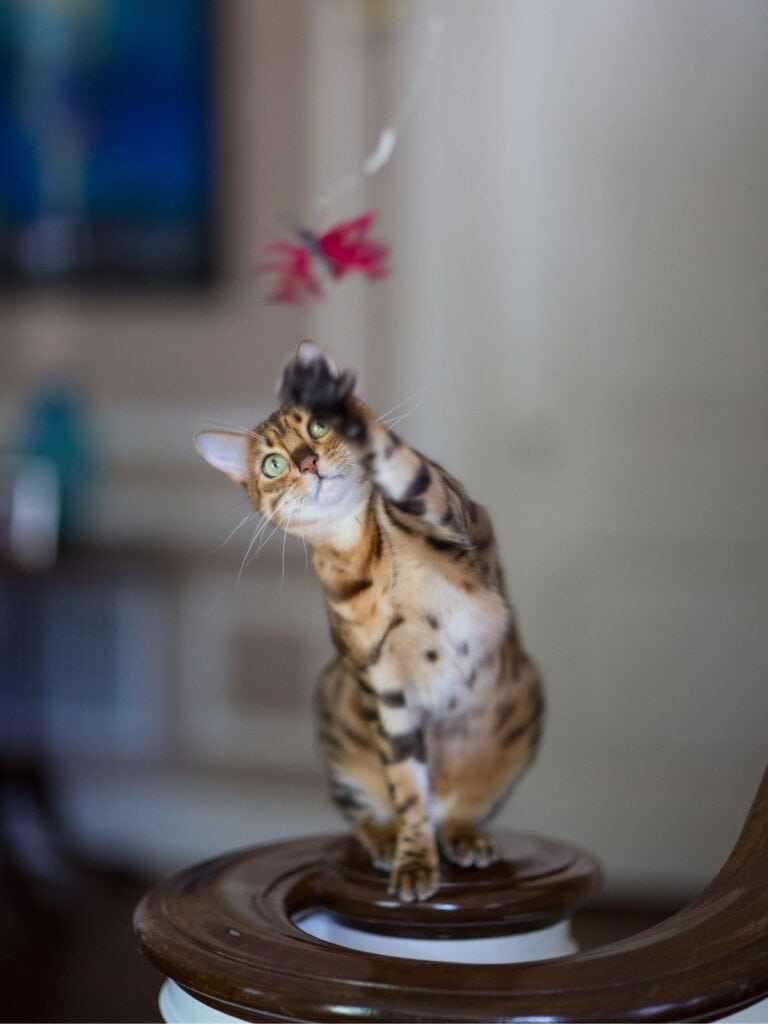
- 🪶 Bengals require substantial mental stimulation.
- 🪮 Persians need daily grooming.
- 🧴 Sphynx cats require regular bathing and sunscreen.
- 🧶 Savannahs need extensive space and exercise.
Many expensive breeds are also prone to hereditary health issues requiring specialized veterinary care.
Are expensive cat breeds healthier than mixed breeds?
No, expensive purebred cats are actually more susceptible to illness and chronic disease due to limited genetic variability and reduced immunity.
Mixed-breed cats from shelters are often healthier, more resilient, and require fewer veterinary interventions throughout their lives compared to expensive pedigree breeds.
What ongoing costs should I budget for with luxury cat breeds?
Beyond the purchase price, budget for things like: premium cat food ($240-$800 annually), professional grooming ($300+ yearly for long-haired breeds), routine veterinary care ($200-$500), pet insurance ($276-$408 annually), kitty litter ($120-$500), toys and supplies ($50-$200), and potential emergency veterinary costs ($1,000-$5,000+).
Do I need special permits to own exotic cat breeds?
Yes, many jurisdictions require special permits for hybrid breeds like Savannahs, especially first-generation crosses with wild servals.
Legal requirements vary by state, county, and municipality. Some areas ban certain exotic breeds entirely.
😻 Pro Tip: Do your own thorough research of local laws before purchasing any hybrid or exotic cat breed.
Is pet insurance worth it for expensive cat breeds?
Yes, pet insurance is highly recommended for expensive breeds prone to genetic health issues.
Premiums average $23-$34 monthly but can save thousands on unexpected veterinary bills.
Comprehensive plans covering accidents, illnesses, and hereditary conditions provide financial protection for breeds with known health predispositions.
Can expensive cat breeds live with other pets?
This depends entirely on the breed, though hairless Sphynx cats and Scottish Folds are typically social and adaptable to multi-pet households.

Maine Coons, Ragdolls, and British Shorthairs aren’t always as social, but generally do well with other pets.
Bengals and Savannahs have high prey drives and may not coexist peacefully with smaller animals.
What’s the difference between pet-quality and show-quality cats?
🐈 Show-quality cats perfectly meet breed standards for conformation, temperament and appearance, commanding significantly higher prices ($5,000-$25,000+).
🐈 Pet-quality cats have minor aesthetic imperfections disqualifying them from shows but make equally loving companions.
Prices for pet-quality start at $400-$2,000, making them more affordable options.
Are expensive cat breeds good with children?
Some expensive breeds excel with children, while others don’t, so always research breed temperament thoroughly.

- Maine Coons, Ragdolls, and Birmans are gentle, patient, and family-friendly.
- Savannahs, Bengals, and Toygers may become overstimulated by energetic children.
- Scottish Folds and Persians tolerate gentle children but prefer calm environments.
Should I buy from a breeder or adopt from a rescue?
It depends. Reputable breeders ensure health testing, proper socialization, and breed standards — but cost significantly more.
Breed-specific rescues offer purebred and mixed cats at lower costs ($50-$300). Of course, shelters provide the most affordable option while saving lives.
Ethical considerations should guide your decision, avoiding backyard breeders and pet stores that support kitten mills.
