🇨🇺 20 Animals in Cuba You May See When You Visit This Caribbean Island (#20 is Weird!)

Cuba’s isolation has created an evolutionary laboratory where unique species found nowhere else on Earth thrive.
The Caribbean’s largest island hosts remarkable biodiversity from tiny hummingbirds to ancient crocodiles, many facing conservation challenges.
This guide explores 20 fascinating animals in Cuba that demonstrate the island’s irreplaceable natural heritage.
🐊 1. Cuban Crocodile
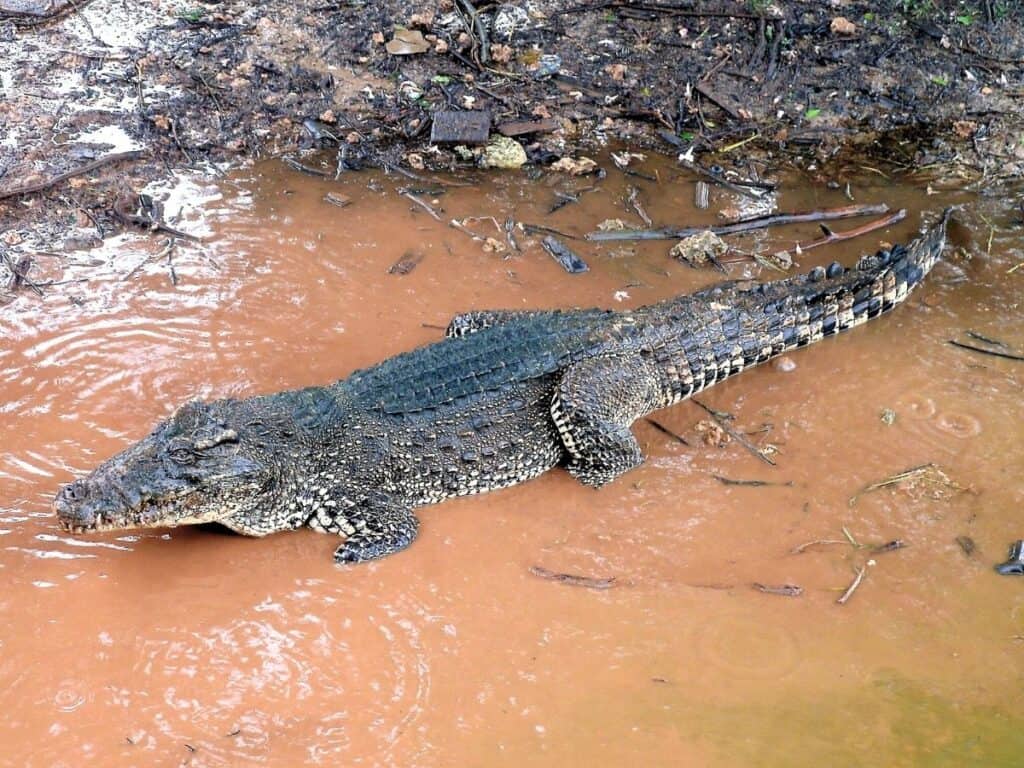
This critically endangered species exists only in Cuba’s Zapata Swamp and Lanier Swamp.
Cuban crocodiles display more terrestrial behavior than other crocodilians, often hunting on land with surprising agility.
Powerful legs allow them to leap more than 6 feet (1.8 m) vertically from water to grab prey from overhanging branches.
Their bright yellow and black juvenile coloring provides camouflage among aquatic vegetation.
Fewer than 4,000 individuals survive in the wild, making them among the world’s most endangered crocodilians.
Hybridization with American crocodiles threatens genetic purity of remaining populations.
Captive breeding programs aim to maintain pure genetic lines of the Cuban crocodile while researching reintroduction possibilities.
🦜 2. Cuban Trogon

The national bird of Cuba displays plumage matching the Cuban flag with red, white, and blue coloring.
These beautiful, colorful birds inhabit forests throughout the island, perching motionlessly while scanning for insects.
Cuban trogons (aka tocororo) nest in tree cavities, often excavating holes in termite nests or decaying wood.
Their distinctive call sounds like a soft, repeated whistle that echoes through Cuban woodlands.
Both parents share incubation duties and feeding responsibilities for their small clutches.
While not currently threatened in terms of population, habitat loss continues reducing available nesting sites.
These stunning birds attract birdwatchers from around the world to Cuban nature reserves.
🦎 3. Cuban Knight Anole
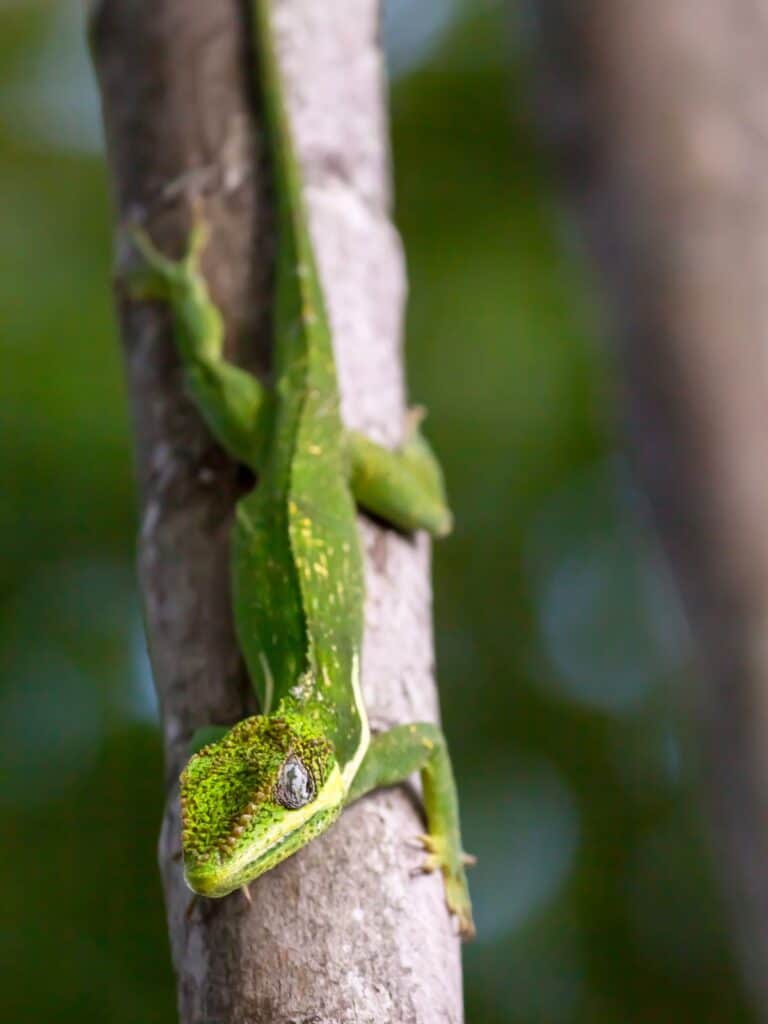
The world’s largest anole species can exceed 20 inches (51 cm) including its impressively long tail.
Males display spectacular pink dewlaps during territorial disputes and courtship displays.
These arboreal lizards possess adhesive toe pads allowing them to climb smooth vertical surfaces effortlessly.
The Cuban knight anole (aka Cuban giant anole) change color from bright green to brown help regulate temperature and communicate mood.
Powerful jaws allow knight anoles to consume other lizards, small snakes, and even small birds.
They defend territories aggressively, engaging in ritualized combat involving push-ups and headbobbing.
Cuban fauna includes more than 150 anole species, representing remarkable adaptive radiation.
🐦 4. Bee Hummingbird
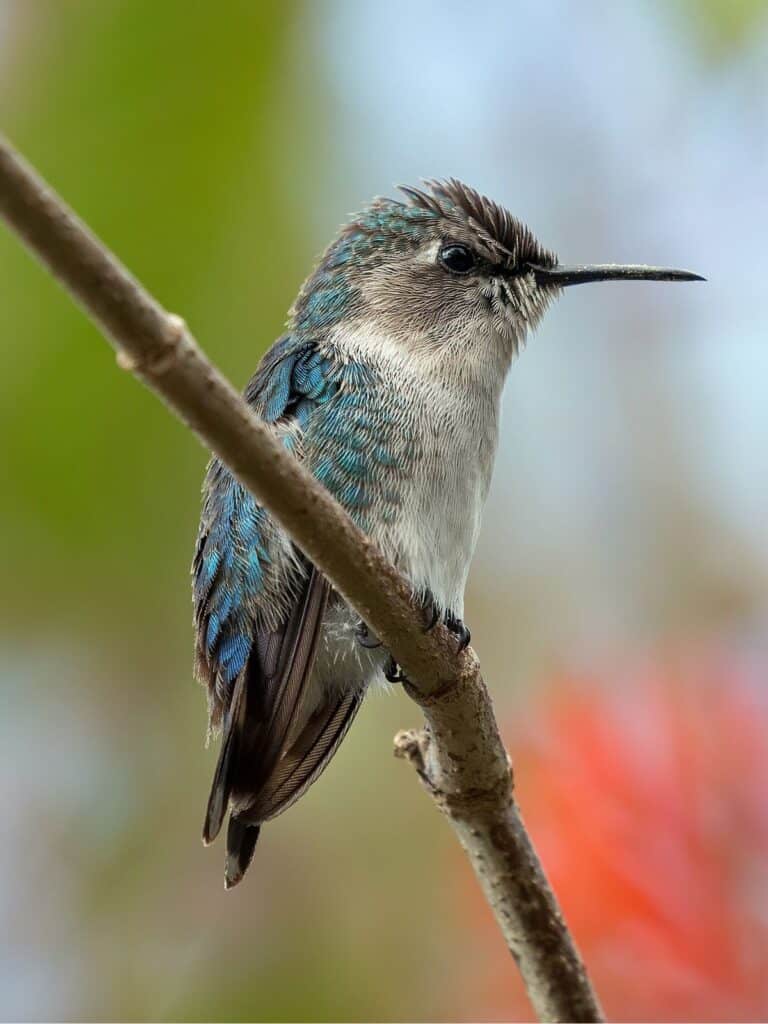
The world’s smallest bird weighs less than a dime, measuring barely 2 inches (5 cm) from beak to tail.
Males display iridescent red and pink throats during breeding season, appearing like flying jewels.
Their wings beat more than 80 times per second during normal flight and up to 200 times during courtship dives.
Tiny hearts comprise nearly 20% of their total body weight, enabling remarkable metabolic rates.
Bee hummingbirds (aka Helena hummingbirds or zunzuncito) must visit hundreds of flowers daily to meet enormous energy demands.
Despite their size, they fiercely defend feeding territories from much larger competitors.
Habitat loss threatens these miniature marvels, found only in Cuba and nowhere else globally.
🐌 5. Cuban Painted Snail
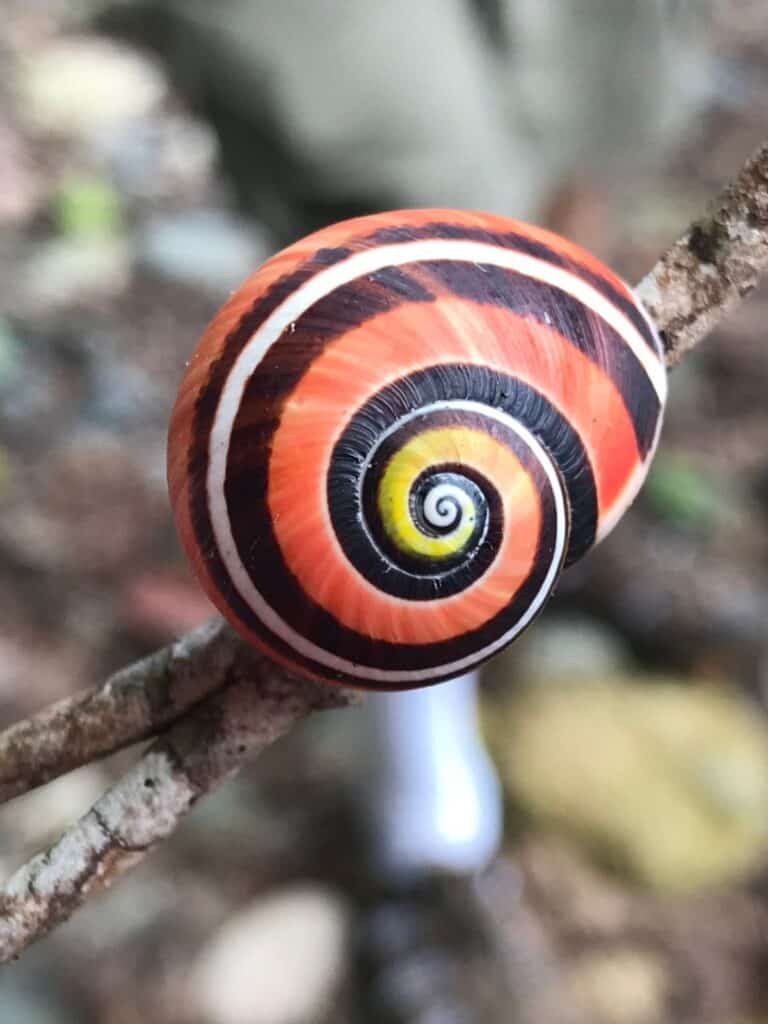
These spectacularly colorful land snails display shells in vivid patterns of yellow, pink, purple, and white.
More than 70 distinct color forms exist, with variations often specific to individual limestone hills.
Cuban biologists consider them living jewels of the forest 💎 though many populations face extinction.
They feed on lichens, fungi, and algae growing on tree bark in humid tropical forests.
Habitat destruction has eliminated entire color forms before scientists could study them.
Some Cuban painted snails (aka painted tree snails) have become so rare that collectors illegally harvest remaining individuals.
Conservation efforts focus on protecting forest fragments harboring unique populations.
🦇 6. Cuban Flower Bat

At just 0.5 to 1 ounce (15 to 30 grams), this tiny bat barely weighs more than a quarter but manages to play crucial pollination roles in Cuban ecosystems.
Elongated snouts and specialized tongues allow them to extract nectar from tubular flowers.
They pollinate important native plants while feeding, including several endangered species.
Unlike most bats, they supplement nectar diets with pollen and insects for protein.
Cuban flower bats (aka Poey’s flower bats) roost in caves, tree hollows, and occasionally abandoned buildings.
Females form nursery colonies where they raise young communally during breeding season.
These animals in Cuba demonstrate the interconnectedness of island biodiversity and ecosystem health.
🐍 7. Cuban Boa

Cuba’s largest snake reaches lengths exceeding 13 feet (4 m), though most individuals measure considerably smaller.
These constrictors hunt bats by hanging from cave ceilings and snatching them mid-flight.
Specialized heat-sensing pits allow detection of warm-blooded prey in complete darkness.
Their diet includes rodents, birds, and occasionally small mammals like jutia.
Cuban boas give birth to live young, with females producing up to 20 babies per litter.
Despite their intimidating size, they pose no threat to humans and generally avoid confrontation.
Habitat loss and persecution by fearful locals create ongoing conservation challenges.
🦜 8. Cuban Amazon Parrot
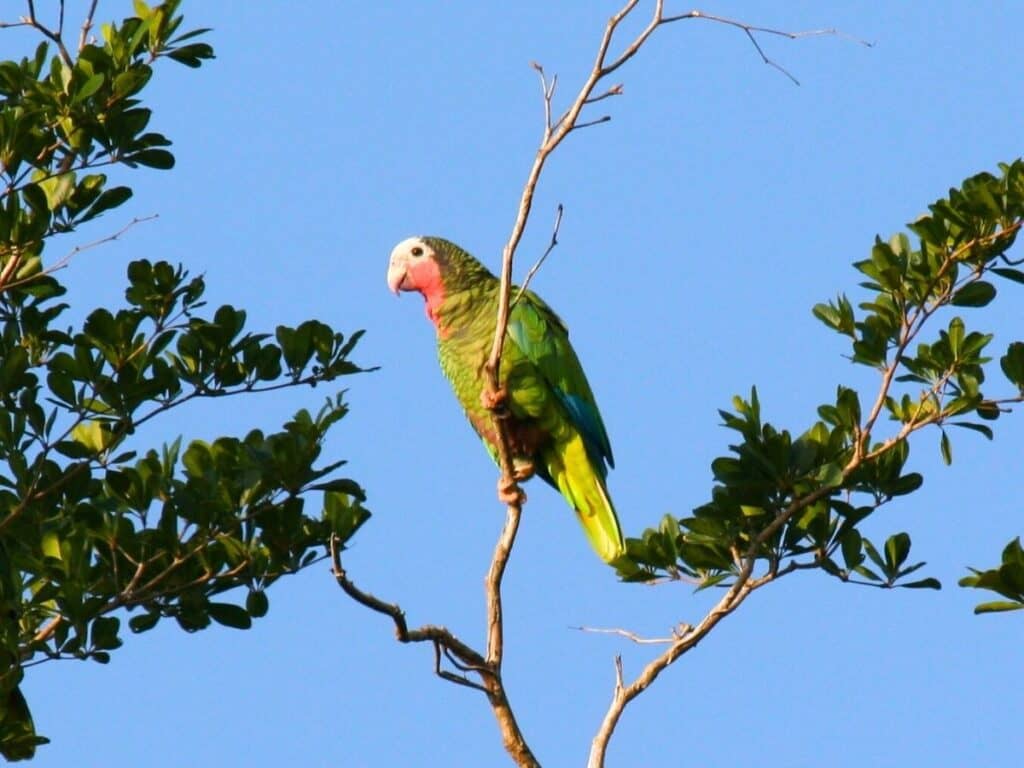
The vibrant endemic Cuban parrot displays green plumage accented with red, white, and blue patches.
Historical populations have declined dramatically due to habitat loss and the pet trade.
Cuban parrots (aka rose-throated parrots) nest in palm tree cavities, often competing with other cavity-nesting species.
Their powerful beaks crack hard palm nuts and seeds that other birds cannot access.
Flocks communicate using varied vocalizations including squawks, whistles, and screeches.
Breeding programs for this beautiful bird and habitat protection have helped stabilize some populations.
These intelligent birds can live more than 50 years in the wild when conditions remain favorable.
🕷️ 9. Cuban Tarantula
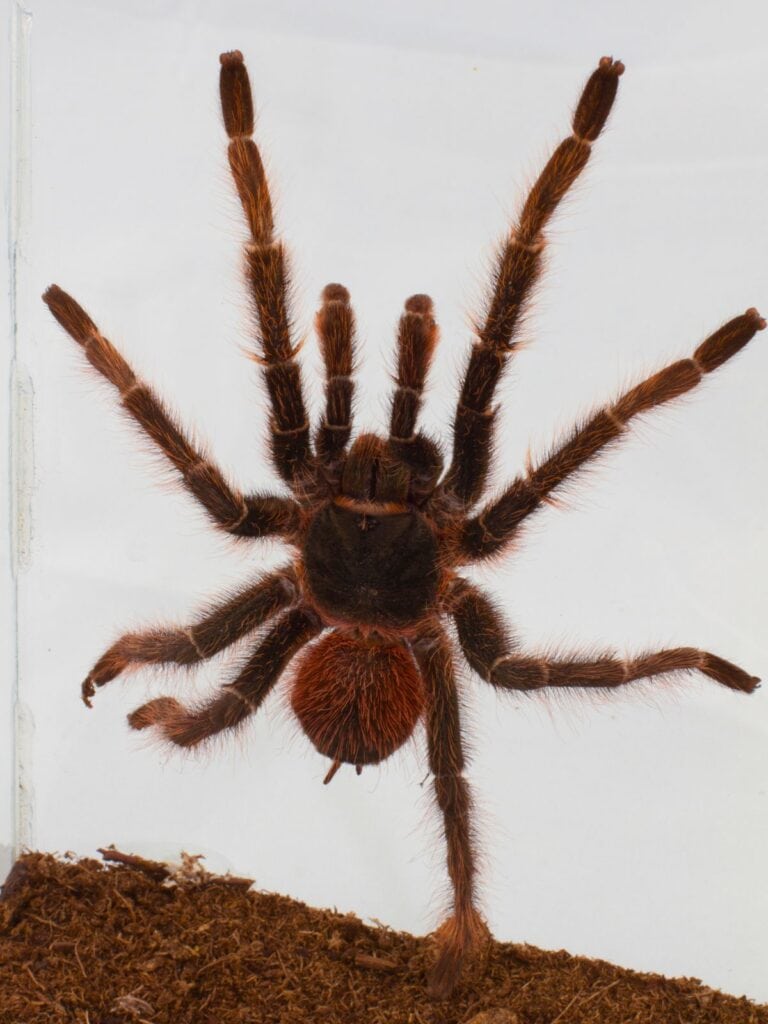
An impressive arachnid, the Cuban bronze tarantula represents the island’s largest spider, with leg spans exceeding 6 inches (15 cm).
Despite fearsome appearance, their venom poses minimal danger to humans, comparable to bee stings 🐝 (not that those are pleasant).
Cuban tarantulas hunt at night, capturing insects, small lizards, and even other spiders.
Females live considerably longer than males, sometimes surviving more than 20 years.
They create silk-lined burrows in rotting logs or underground, emerging after dark to hunt.
Defensive hairs on their abdomen can irritate skin if the spider feels threatened.
Cuban wildlife includes numerous unique spider species found nowhere else on Earth.
🦎 10. Cuban Rock Iguana
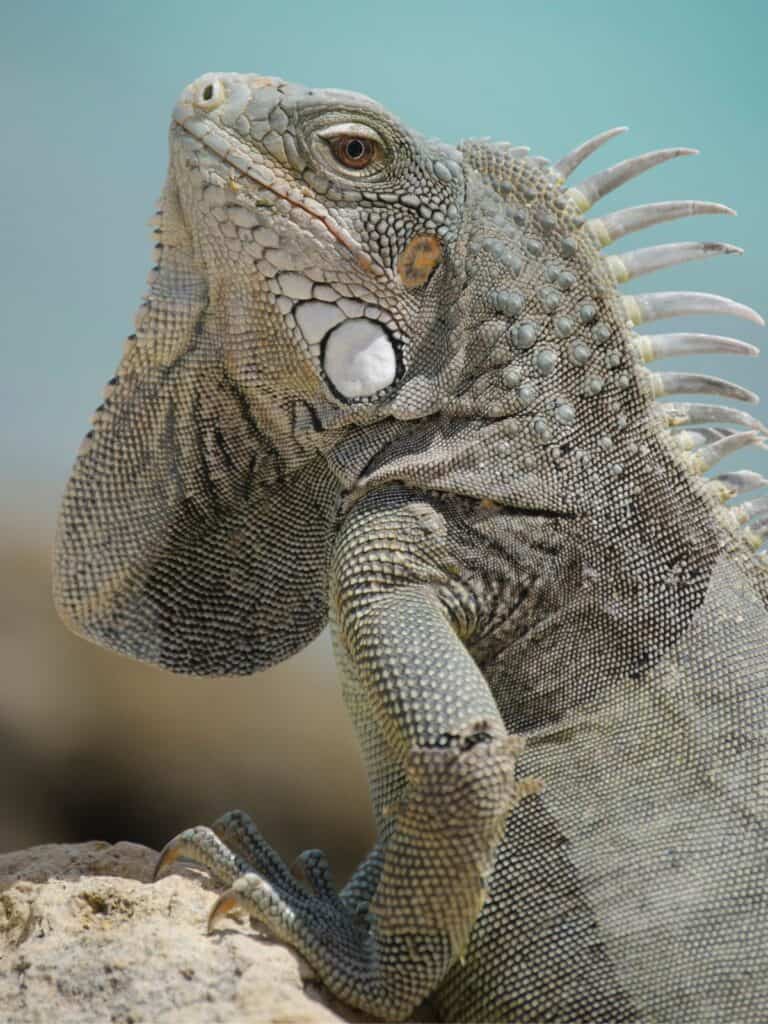
This massive lizard can weigh more than 15 pounds (7 kg), making it the Caribbean’s largest rock iguana.
Distinctive red eyes and spiny crests give them a prehistoric appearance reminiscent of ancient reptiles.
Primarily herbivorous, Cuban rock iguanas (aka Cuban ground iguanas or Cuban iguanas) consume leaves, flowers, and fruits from native vegetation.
Males defend territories vigorously during breeding season using headbobs and dewlap displays.
Females dig elaborate nests in sandy soil, laying up to 20 eggs per clutch.
Introduced predators including cats and dogs prey heavily on eggs and juveniles of the species.
Conservation programs focus on predator control and habitat protection in remaining populations.
🐟 11. Cuban Gar

This living fossil has remained virtually unchanged for more than 100 million years.
Long jaws filled with needle-sharp teeth make them formidable predators in Cuban freshwater systems.
Cuban gar fish can breathe air using a modified swim bladder, surviving in oxygen-poor water.
They inhabit rivers, lakes, and even brackish coastal areas throughout the island.
Some individuals exceed 6 feet (1.8 m) in length, though most remain considerably smaller.
Ambush hunters, they remain motionless for extended periods before striking at passing fish.
Their heavily armored scales provide protection from most natural predators.
🦉 12. Cuban Screech Owl
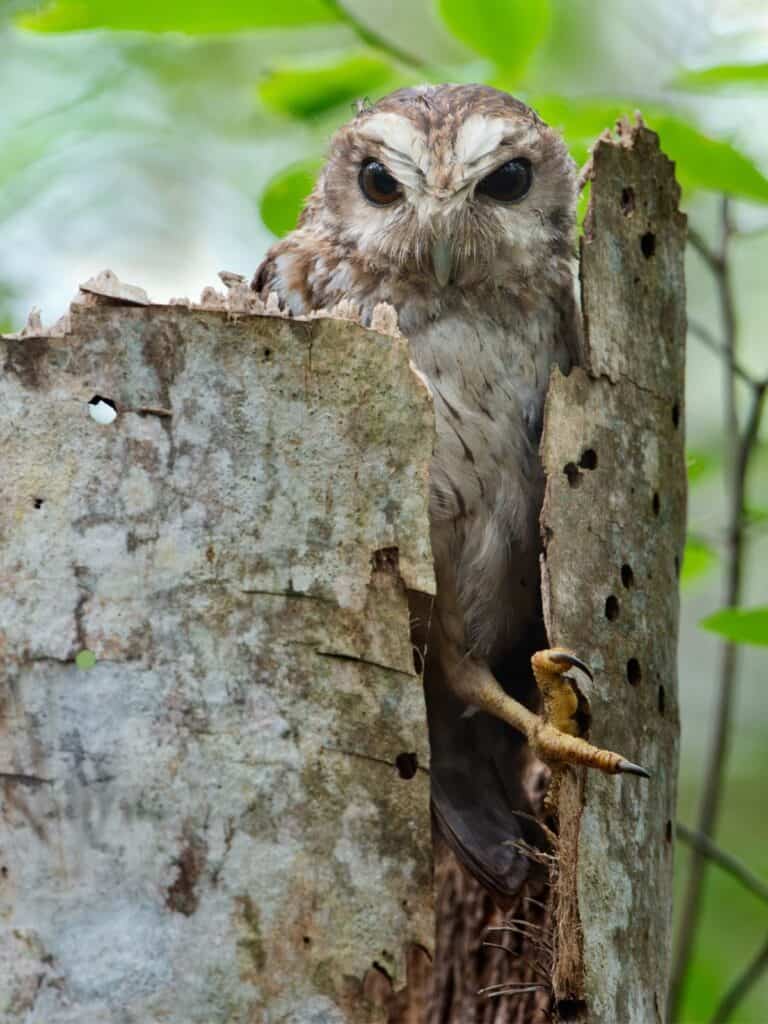
This small endemic owl inhabits forests, woodlands, and even suburban gardens throughout Cuba.
Despite their name, the Cuban screech owl produces melodic trills rather than harsh screeches 🎶
Two color morphs exist, with some individuals appearing reddish-brown and others grayish.
They hunt insects, small reptiles, and occasionally small mammals from low perches.
Cuban screech owls (aka bare-legged owls or Cuban bare-legged owls) nest in tree cavities, often reusing sites for multiple years.
Their excellent camouflage makes them difficult to spot despite being relatively common.
These adaptable owls have successfully adjusted to human-modified landscapes across the island.
🦎 13. Cuban False Chameleon

This bizarre lizard moves with deliberate, chameleon-like slowness despite being an anole species.
Remarkable color-changing abilities surpass most other anoles, shifting from brown to green.
Their prehensile tail provides extra grip while navigating through dense vegetation.
Independent eye movement allows simultaneous observation in multiple directions.
Unlike true chameleons, they lack projectile tongues. Without one, they stalk prey with slow movements.
This species exists only in eastern Cuban forests, occupying specialized ecological niches.
Deforestation threatens populations concentrated in increasingly fragmented habitat patches.
🦀 14. Cuban Land Crab
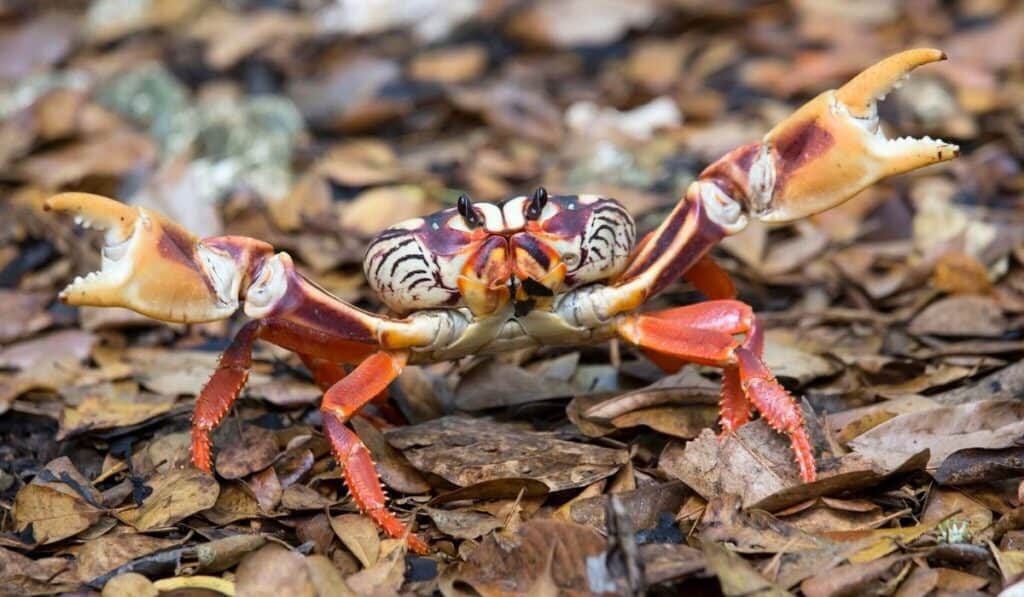
These colorful terrestrial crabs undertake spectacular mass migrations during breeding season.
Thousands move from inland forests to coastal areas where they release larvae into the ocean.
Adults can survive entirely on land, though they require moisture to prevent desiccation.
Their diet includes fallen fruits, leaves, carrion (decaying animal flesh), and occasionally smaller invertebrates.
Powerful claws crack hard seeds and nuts that other animals cannot access.
During migration, roads become covered with crabs, creating significant traffic hazards on the island.
Conservation measures include temporary road closures and wildlife crossings in key migration routes.
🦜 15. Cuban Parakeet
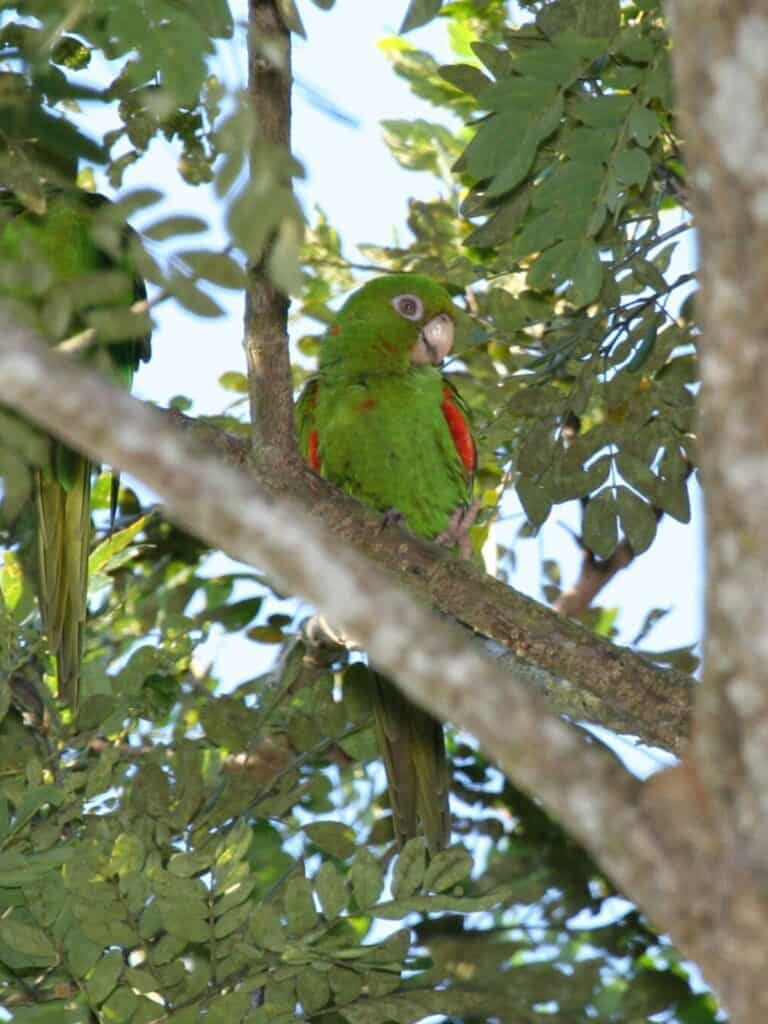
This small endemic parrot inhabits palm savannas and forested areas across western Cuba.
Green plumage with distinctive white eye-rings helps distinguish them from other parrot species.
They feed primarily on palm fruits, seeds, and blossoms in noisy, active flocks.
Breeding pairs excavate nesting cavities in dead palm trees or use natural hollows.
Cuban parakeets demonstrate strong site fidelity, returning to successful nesting locations annually.
Population declines result from habitat loss and illegal capture for the pet trade.
Protected areas preserve critical palm savanna habitat supporting remaining populations.
🐸 16. Cuban Tree Frog
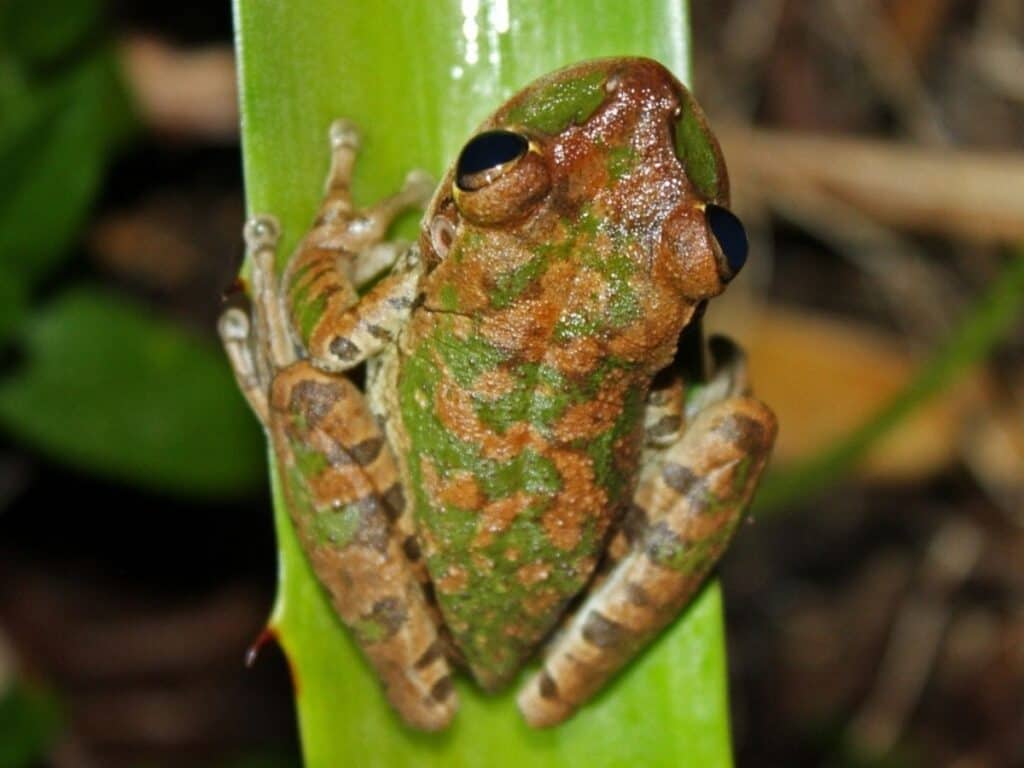
These large tree frogs have successfully spread beyond Cuba to become invasive species elsewhere.
Adhesive toe pads allow them to climb smooth surfaces including glass and metal.
Males produce loud calls during breeding season, creating deafening choruses near wetlands.
Their diet includes insects, spiders, and even smaller frogs.
Skin secretions cause irritation in some people, requiring hand washing after handling.
Variable coloring ranges from pale gray to dark brown depending on temperature and surroundings.
In Cuba they occupy important ecological roles, though elsewhere they threaten native species.
🐦 17. Zapata Wren
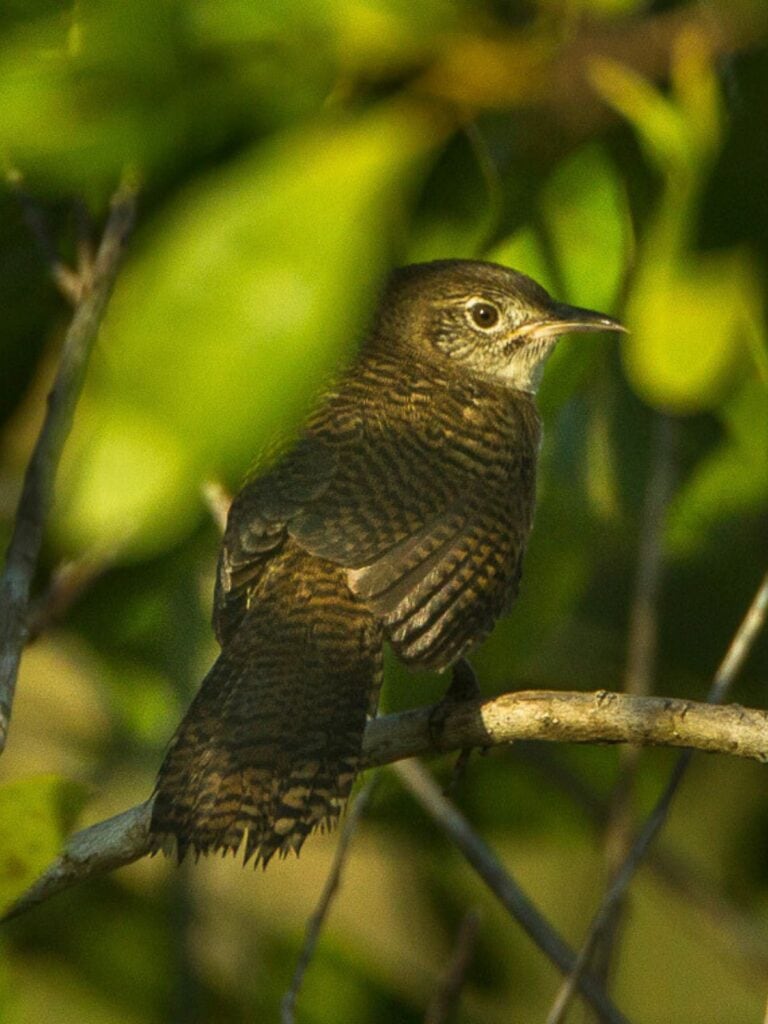
One of the world’s rarest birds exists only in Ciénaga de Zapata National Park, a UNESCO biosphere reserve.
This tiny wren inhabits dense sawgrass marshes where it builds globular nests near water.
Total population likely numbers fewer than 2,000 individuals across an extremely limited range.
They feed on insects and spiders they find from within the marsh vegetation they call home.
Habitat specificity makes them vulnerable to any changes in swamp hydrology.
Rising sea levels and development pressures threaten their already precarious existence.
Conservation efforts focus on maintaining water levels and protecting remaining undisturbed marsh habitat.
🐍 18. Cuban Racer
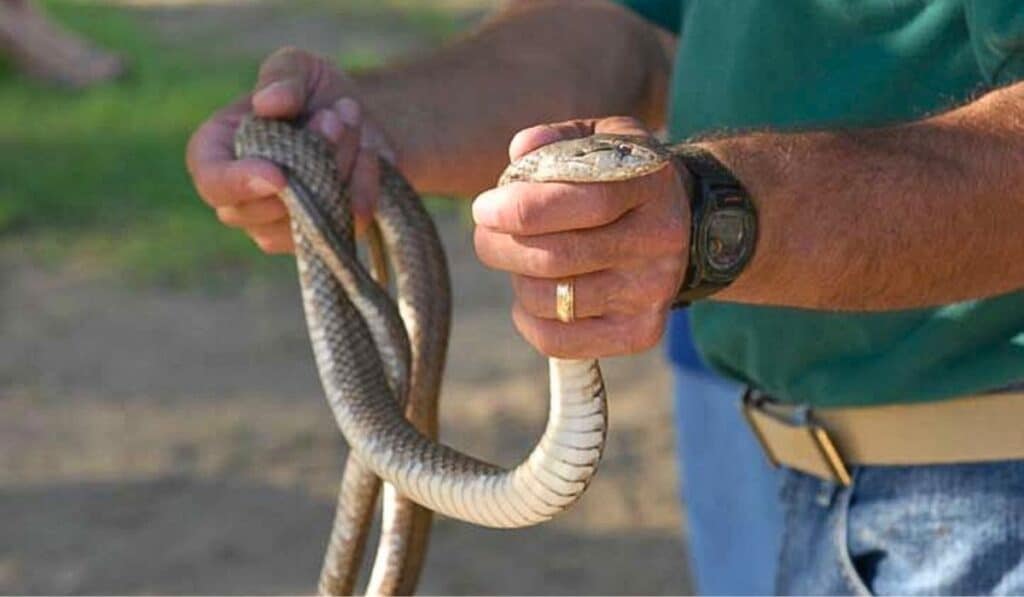
This fast-moving snake represents Cuba’s most commonly encountered serpent species.
Despite their speed, they prefer fleeing from threats rather than confronting them.
Cuban racers (aka Cuban brown racers) feed on lizards, frogs, small mammals, and occasionally bird eggs 🪺
Color variations range from tan to dark brown, often with darker patterning along backs.
These snakes lay eggs in rotting vegetation or loose soil during summer months.
They adapt well to human-modified environments including agricultural areas, farms, and gardens.
Harmless to humans, they provide valuable pest control services throughout their range.
🐠 19. Cuban Hogfish
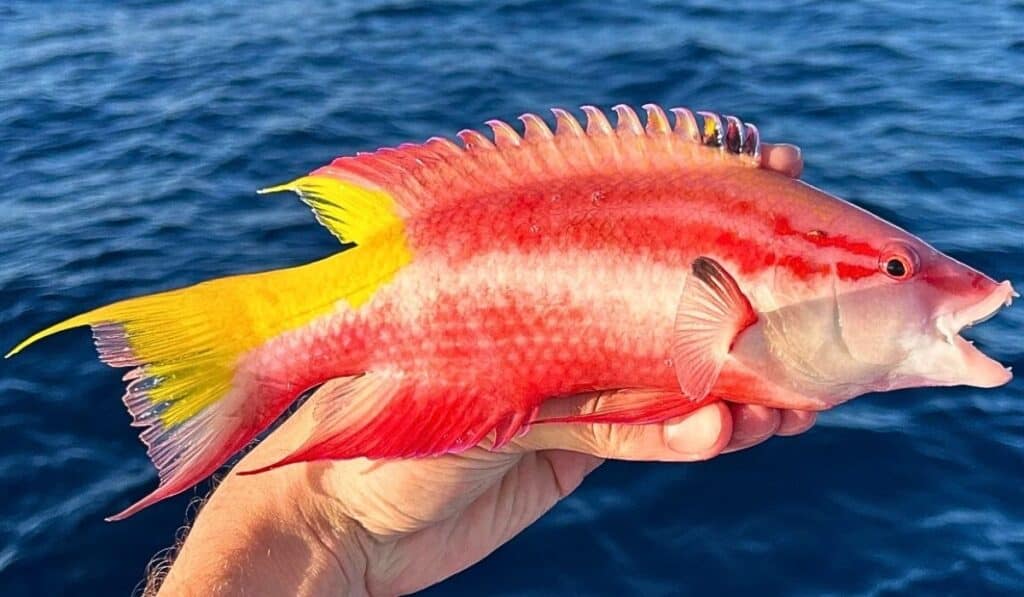
These colorful reef fish display dramatic sexual dimorphism with males showing brilliant red and yellow patterns.
Powerful jaws allow them to crush mollusks, crustaceans, sea urchins and other ocean creatures they feed on.
All individuals begin life as females, with some transforming into males as they mature.
They use elongated snouts to dig through sand searching for buried invertebrates.
Cuban hogfish (aka spotfin hogfish) play important roles controlling sea urchin populations on coral reefs.
Overfishing has reduced populations around heavily populated coastal areas.
Marine protected areas help preserve healthy reef ecosystems supporting diverse fish communities.
🐀 20. Cuban Solenodon

This extraordinary mammal represents one of the world’s few venomous mammals and a living fossil.
One of the weirdest animals in the world, solenodons have remained essentially unchanged for more than 76 million years.
They inject venom through grooved teeth while biting prey including insects and small vertebrates.
The long, flexible snout of the Cuban solenodon (aka almiquí) is used to probe soil and leaves while they search for food at night.
Females produce only one or two offspring per year, contributing to their rarity.
Introduced predators like dogs and cats have devastated populations across most of Cuba.
These critically endangered animals in Cuba survive mainly in remote mountain forests far from human settlements.
Our Final Thoughts On the Cool Animals in Cuba You Might See

Cuba’s island isolation has produced a treasure trove of unique species found nowhere else on our planet.
Many face uncertain futures as habitat loss and invasive species continue threatening their survival.
Protecting the animals in Cuba requires international cooperation and recognition that these species represent irreplaceable components of global biodiversity.