🦂 The 10 Most Dangerous Animals in Arizona That Can Actually Hurt You
Nearly 2,300 scorpion stings; that’s how many one Phoenix poison center handled in 2025, and it’s only one of Arizona’s poison centers.
The scorpion behind the real worry is the bark scorpion, a light-brown thing no more than about 2 inches (5 cm) long, and it opens this list of dangerous animals in Arizona.
After that come rattlesnakes on warm desert nights, bee swarms that chase, and a few animals you’d never suspect, like the elk and squirrels that hang around the Grand Canyon rim.
You can avoid nearly all of them with a little attention. Start with one habit before you leave Phoenix or Tucson: Shake out your shoes every morning.
1. Arizona Bark Scorpion

The Arizona bark scorpion is the only scorpion in the U.S. with venom strong enough to cause severe symptoms 🦂
Arizona has about 30 scorpion species, but only the bark scorpion is considered life-threatening.
It’s small and light brown, only about 1.5 to 2 inches long (4 to 5 cm), with slim pincers and a skinny tail.
Bark scorpions live throughout the Sonoran Desert, including Phoenix and Tucson.
They’re also the best climbers of Arizona’s scorpions, so they turn up on walls, ceilings, and inside homes.
Banner’s poison center in Phoenix handled nearly 2,300 scorpion stings in 2025, and that’s just one of Arizona’s poison centers.
A sting causes sharp pain, then numbness and tingling that can spread through the body. For healthy adults, it’s usually painful but not dangerous.
Small children, however, face the highest risk of severe reactions, including jerky body movements, wild eye movements, drooling, and trouble breathing.
There is an FDA-approved antivenom, Anascorp, and it’s made in Mexico.
Shake out shoes, clothes, and bedding before using them, and wear shoes outside at night.
Bark scorpions glow under ultraviolet light, so a black light flashlight (pictured above) makes them easy to spot after dark.
If stung, wash the area with soap and water, apply a cool compress, and call Poison Control at 1-800-222-1222.
Get emergency care right away if a child is stung or anyone has trouble breathing.
2. Rattlesnakes
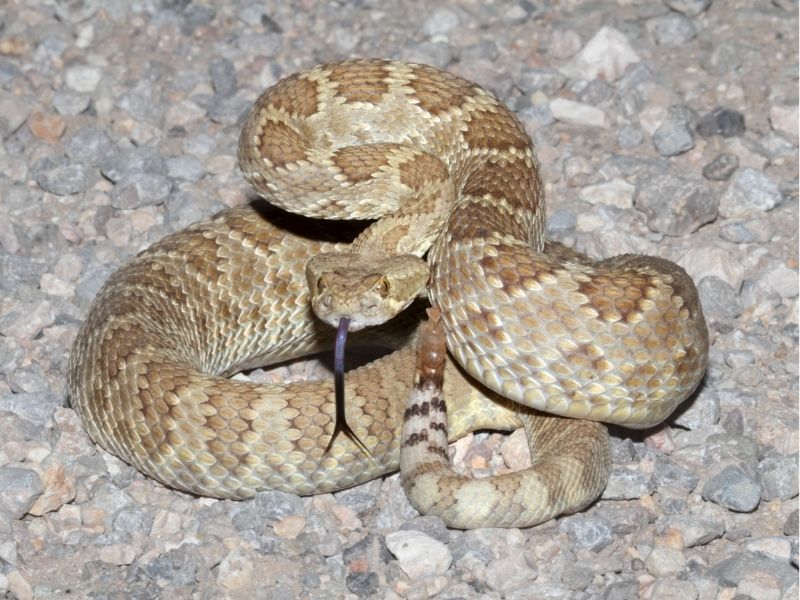
Arizona is home to 13 different species of rattlesnakes, more than any other U.S. state, according to the Arizona Game and Fish Department.
One species to know is the Mojave rattlesnake (pictured above).
Many Mojave rattlesnakes carry a venom that attacks the nervous system, which can cause paralysis.
Others have venom that destroys tissue, and some have both.
Banner’s poison center saw more than 100 rattlesnake bites in 2025.
Rattlesnakes are most active from March through October in the desert, especially on warm nights.
They often rattle before striking, but not always, so stick to marked trails, and keep your hands and boots out of any crack or ledge you can’t see into.
A rattle is a warning, so take it. Move away from the sound and keep plenty of room between you and the snake.
If bitten, call 911 and keep the bitten limb still and below heart level. Take off rings and watches before the swelling starts.
Leave out the ice, the tourniquet and any constriction band, and don’t cut the bite or try to suck the venom out.
3. Africanized Honey Bees

Africanized honey bees (aka killer bees) were first seen in Arizona in 1993.
Today, bee experts say they make up over 90% of Arizona’s wild bee population.
What makes them dangerous is that they defend their hive in huge numbers and can chase people for more than a quarter mile (0.4 km).
More than 50 stings can be life-threatening, and for someone with a bee allergy, a single sting can be fatal.
In July 2025, a roofer in Scottsdale died after a bee swarm attacked his crew, and two of his coworkers were hospitalized.
Most attacks happen when someone disturbs a hive, and even getting too close to one can set them off.
If you hear loud buzzing or see lots of bees flying in and out of one spot, walk away. If bees attack, here’s what to do.
- Run right away, and don’t stop to swat at them.
- Pull your shirt over your face and head as you run.
- Get inside a car or building as fast as you can.
- Never jump into water, because the bees will wait for you to come up for air.
Bees fly about 12 to 15 mph (19 to 24 km/h), so most healthy people can outrun them.
If stung many times, or if you’re allergic to bees, get emergency care right away.
4. Gila Monster
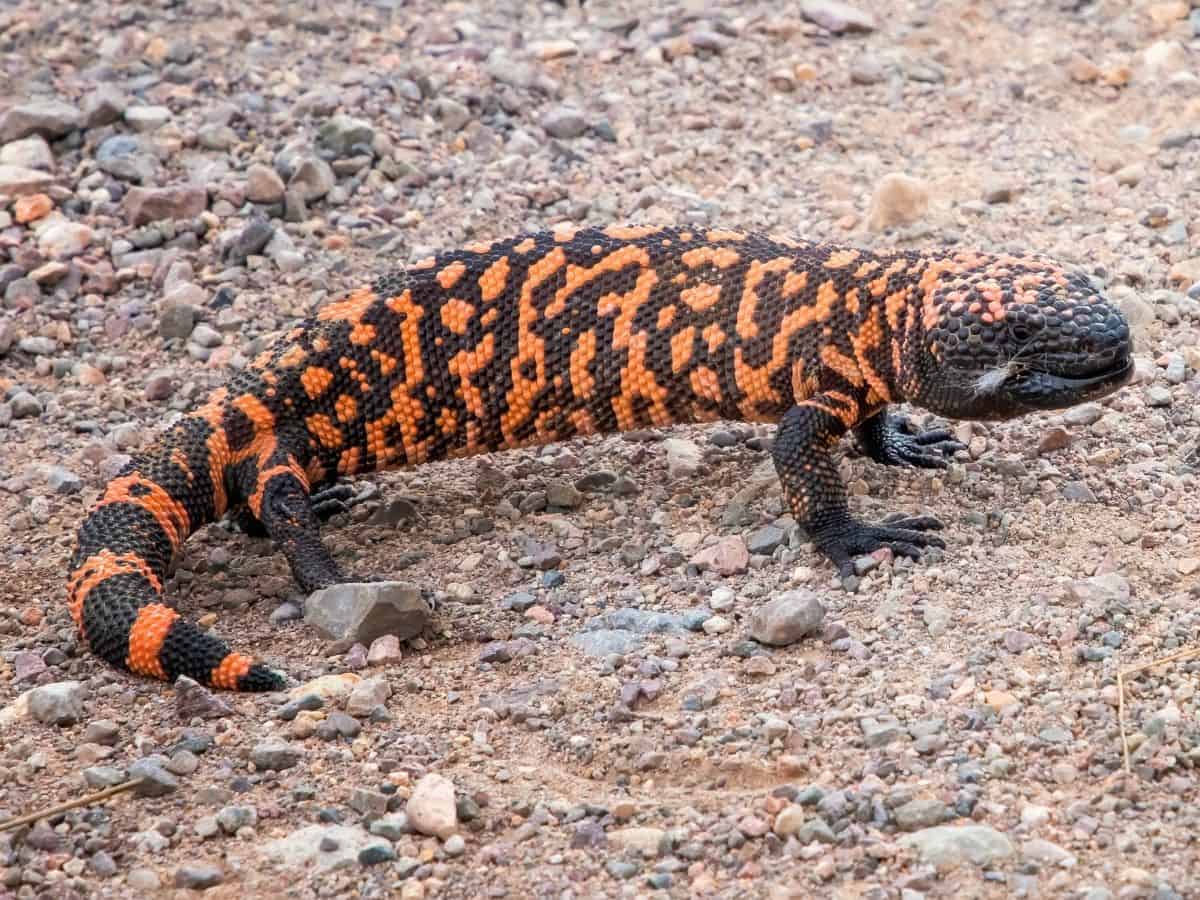
The Gila monster is the only venomous lizard found in the United States. Its beaded black-and-coral skin looks almost fake.
Growing up to about 2 feet long (0.6 m), Gila monsters live across much of southern and western Arizona.
You’d be lucky to ever see one, as they spend only about three weeks a year above ground in total.
They’re slow and shy, and they rarely bite unless someone picks them up or bothers them.
Unlike a snake, a Gila monster bites down and holds on, chewing to work venom into the wound through grooves in its teeth.
The bite is extremely painful and can cause swelling, nausea, vomiting, and weakness. There’s no antivenom for Gila monster bites.
Gila monsters are also protected by Arizona state law, so it’s illegal to harass, capture, or harm one.
If bitten, use a stick or tool (not your hands) to pry the jaws open, and set the lizard on the ground so it lets go.
Then rinse the wound with plenty of water and get medical care right away.
5. Black Bears

Black bears live in Arizona’s forests and mountains. Attacks are rare, but they do happen.
In May 2024, a black bear entered a cabin in Alpine through an open door and attacked a 15-year-old boy.
Arizona Game and Fish said it was the 16th bear attack on people in Arizona since 1990.
Two of those attacks were fatal, including one near Prescott in 2023.
Here are some tips to avoid bear attacks in Arizona, and what to do should one attack.
- Never store food in your tent.
- Keep all food and trash out of a bear’s reach.
- Make noise while hiking.
- Keep your dog(s) on a leash at all times.
- If you see a bear, don’t run; back away slowly while facing it, make yourself look big, and yell.
- If a black bear attacks you, fight back with all your might.
6. Elk
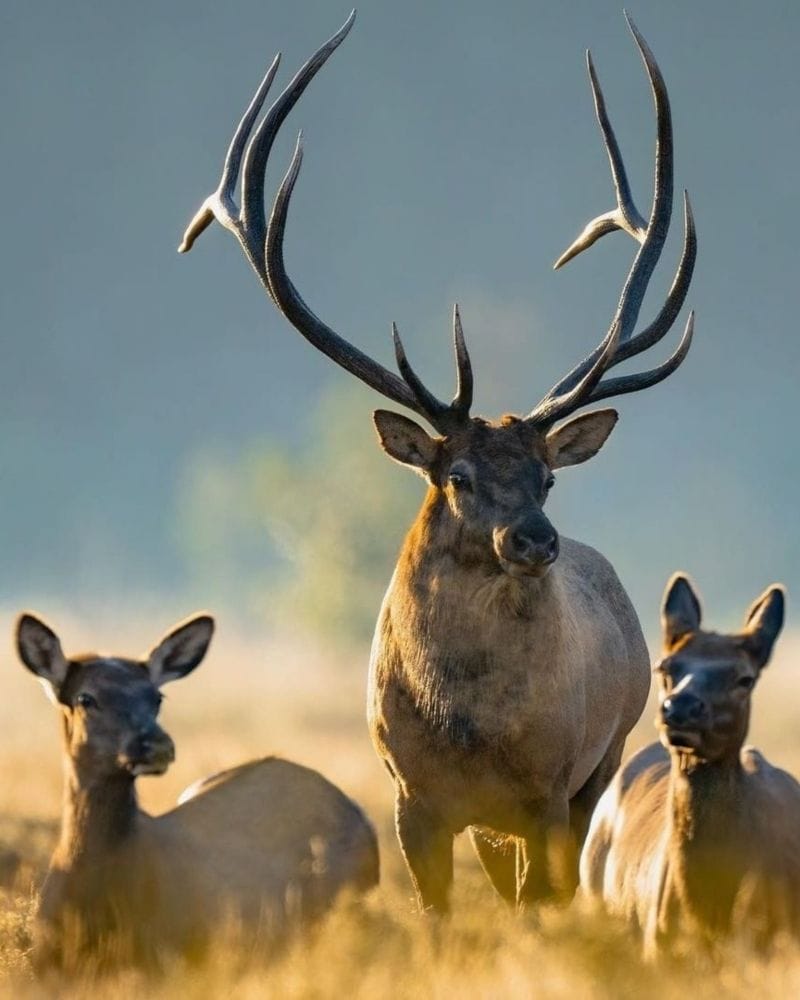
At the Grand Canyon, elk often graze near roads, parking lots, and buildings.
They look calm, but the National Park Service calls elk one of the most dangerous animals in Grand Canyon National Park.
Bull elk can weigh up to 700 pounds (320 kg), and they may kick or chase people who get too close.
The riskiest time is during the elk rut (mating season), from August to early winter, when bulls aggressively guard their mates.
Mothers with newborn calves in late spring and early summer can also be aggressive. If an elk follows you or acts aggressively, back away slowly.
Stay at least 100 feet (30 m) away from elk at all times. Never walk up to an elk for a photo or selfie.
7. Javelinas

Javelinas look like wild pigs, but they’re actually peccaries, a different family from true pigs.
They travel in herds, often wander into Arizona neighborhoods, but usually avoid people. However, they can get defensive, especially around dogs.
According to Arizona Game and Fish, encounters with pet dogs are the second most common cause of aggressive javelina encounters.
When they feel threatened, javelinas can cause serious wounds. Here are a few tips to avoid javelina encounters.
- Warning signs include charging, clacking their teeth, or making barking or growling sounds.
- Keep your dog on a short leash, and give herds plenty of space.
- Never feed javelinas, since feeding makes them lose their fear of people.
If javelinas approach, back away slowly and give them a clear escape route.
8. Black Widow Spiders

Wondering, Are there poisonous spiders in Arizona? The answer is yes, and the black widow is the one to watch for.
Females are shiny black with a red or orange hourglass on the belly. This is how to spot a black widow spider, as many spiders are black.
The bite may only feel like a pinprick at first, but black widow venom is a neurotoxin.
This means a bite may cause intense pain and cramping in the upper body, nausea, vomiting, and headaches.
Bites are rarely fatal, but young children and older adults face the highest risk.
Black widows hide in dark, undisturbed spots near the ground, like garages, sheds, woodpiles, and under patio furniture.
Wear gloves when moving things outdoors, and shake out shoes before putting them on.
If bitten, clean the bite and call Poison Control at 1-800-222-1222.
9. Kissing Bugs
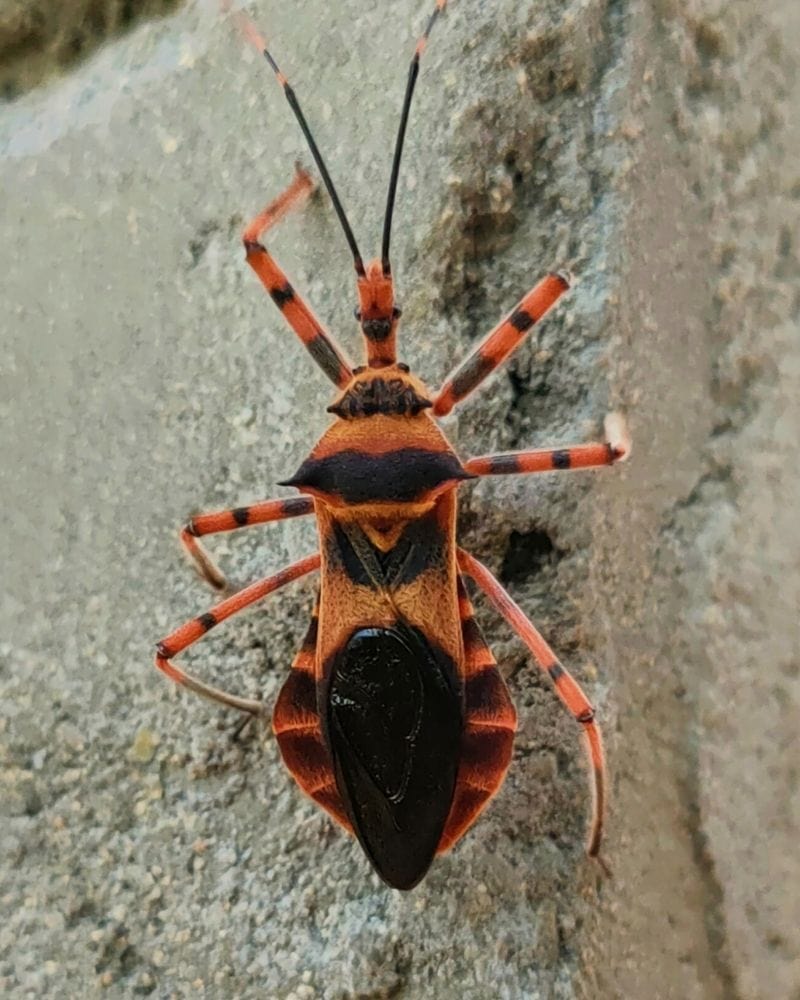
Kissing bugs (aka vampire bugs 🧛🏻♂️) are blood-sucking insects that sneak into homes and bite people while they sleep.
They’re most active from May into early summer, and bites usually peak just before monsoon season.
The bite is usually painless, but according to University of Arizona experts, kissing bug bites are the most common cause of anaphylaxis from an insect bite.
Some people wake up with itching, a rash, dizziness, or trouble breathing.
Kissing bugs can carry the parasite that causes Chagas disease. However, Arizona has no confirmed cases of Chagas disease from kissing bug bites.
Keep doors and window screens closed at night, and use yellow outdoor light bulbs, which attract fewer bugs. Never squash one with your bare hand.
If you have trouble breathing or swelling after a bite, call 911 right away.
10. Rock Squirrels

The animal that injures the most visitors at the Grand Canyon isn’t a rattlesnake or a mountain lion; it’s the rock squirrel 🐿️
These chubby squirrels hang around viewpoints, begging for snacks. Sadly, many people feed them, and it has become problematic.
💸 Note: Feeding wildlife is illegal in all U.S. national parks, and rangers can fine you for it.
The National Park Service says rock squirrels cause the most injuries to visitors at Grand Canyon National Park. Holding out food is the fastest way to get bitten.
To avoid getting bitten, don’t offer them food, keep your snacks zipped in your bag, and don’t leave food unattended.
Stay at least 20 feet (6 m) away from squirrels, and never feed them (especially from your hand).
If a squirrel bites you, wash the wound well and see a doctor or park ranger. Their fleas can carry plague, a serious bacterial disease.
Dangerous Animals in Arizona FAQ
What is the most dangerous animal in Arizona?
The Arizona bark scorpion and rattlesnakes are the biggest threats.
Bark scorpions sting thousands of people every year. Rattlesnake bites happen less often but tend to be more serious.
Are scorpions everywhere in Arizona?
Mostly, yes. The state has about 30 scorpion species.
The one that matters, the bark scorpion, is common throughout the Sonoran Desert, Phoenix and Tucson included.
How many rattlesnakes are in Arizona?
13 species. That’s more rattlesnake species than any other U.S. state, according to Arizona Game and Fish.
Are there coral snakes in Arizona?
Yes. The Sonoran coral snake, also called the Arizona coral snake, lives in Arizona.
It’s shy, usually less than 2 feet long (0.6 m), and no deaths have been attributed to it.
Even so, leave it alone, and get medical care right away if one bites you.
Are there poisonous spiders in Arizona?
Yes. The black widow is the most dangerous, and the Arizona brown spider, which is often confused with the brown recluse, can cause wounds that are slow to heal.
Are there mountain lions in Arizona?
Yes, but attacks are very rare.
As of 2019, Arizona Game and Fish had recorded six mountain lion attacks on people since 1988, and none were fatal.
Meet one on the trail and the rule is don’t run. Look big, yell, and fight back if it attacks.
Are there animals in Arizona that are dangerous to dogs?
Yes. These include rattlesnakes, javelinas, scorpions, and the Colorado River toad (aka Sonoran Desert toad).
It comes out during monsoon rains and releases a toxin that can be deadly to dogs.
If your dog mouths one, rinse its mouth with water (pointing the hose so it doesn’t swallow) and call a vet right away.