🇮🇪 Snake-Free But Not Risk-Free: The 7 Most Dangerous Animals in Ireland
Legend says St. Patrick drove the snakes out of Ireland. The fossil record says there were never any to drive out.
The island split from mainland Europe before reptiles could get there after the last ice age. Today its only native land reptile is a small, harmless lizard.
So the dangerous animals in Ireland are a short and fairly mild list. You won’t meet a venomous snake, a bear, or a wolf.
What you might meet is a tick in the long grass, a cow guarding her calf, or a stinging creature washed up on a beach after a storm.
Ticks come first, because they’re found all over the country and a bite can go unnoticed for days.
1. Ticks
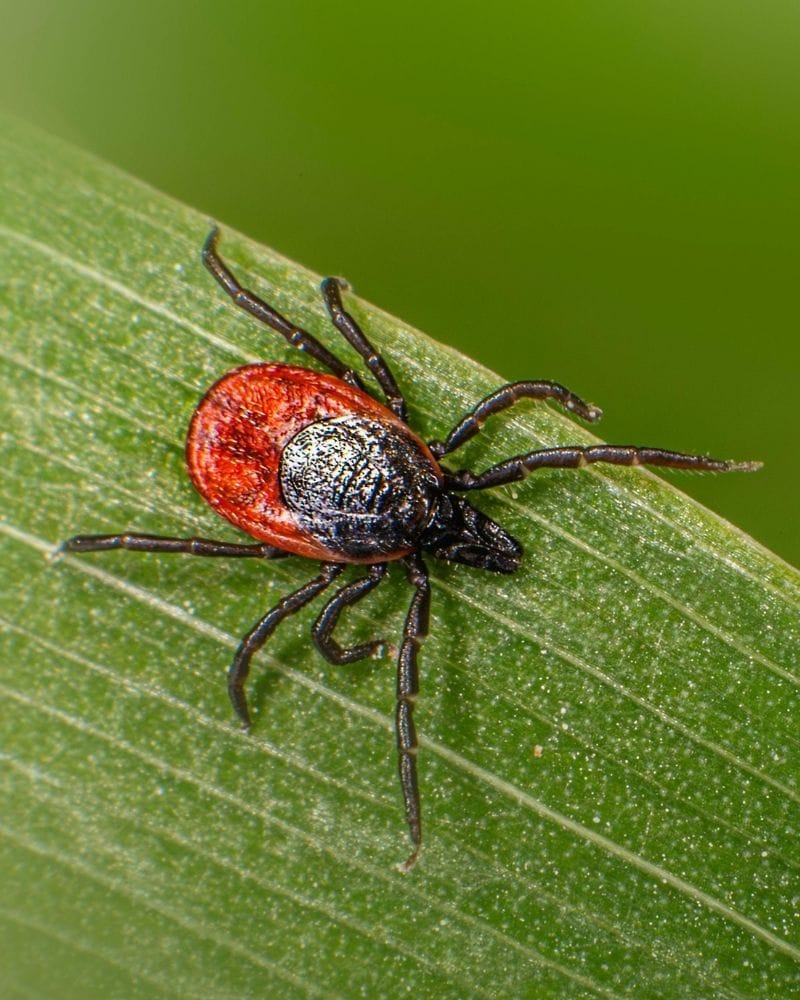
Ireland’s Health Service Executive (HSE) says ticks are present everywhere in Ireland, living in woodlands and green spaces, in both cities and countrysides.
Common ticks in Ireland include the sheep tick (aka castor bean tick; pictured above), hedgehog tick and dog tick. Some carry Lyme disease.
The HSE estimates that several hundred mild cases of Lyme disease happen in Ireland each year.
However, doctors report about 10 to 20 cases of the more serious form that affects the nervous system.
Ticks are active from spring to autumn, and there are more of them in summer.
Wear long sleeves and trousers on overgrown trails, use a repellent containing DEET, and check your skin carefully when you come back inside.
To remove a tick, grip it with tweezers close to the skin and pull out the whole tick, mouthparts included, then wash the spot with soap and water.
Keep an eye on the bite for a few weeks. See a GP if a rash spreads out from it or you feel flu-like, and mention the tick.
2. Cattle

Livestock are a serious hazard on Irish farms, though most of the people hurt are farmers rather than visitors.
Over a recent 10-year period, 36 of 171 farm deaths in Ireland involved livestock, according to the Health and Safety Authority.
Three of the 12 farm deaths in 2024 involved livestock. This is a lot when you conside that many walking routes in rural Ireland cross farmland.
The HSA warns farmers never to turn their back on a cow with a newborn calf, because she may see a person as a threat.
The same goes for you.
In British data, most walkers killed by cattle had come across cows with calves, and 94% had a dog with them.
Keep your dog on a lead around livestock, and give cows with calves plenty of room.
If cattle come after you, drop your dog’s lead and get out of the field. Your dog will get away faster on its own.
3. Lion’s Mane Jellyfish

Water Safety Ireland (WSI) calls the lion’s mane an increasingly common sea creature in Irish waters.
A big reddish-brown jellyfish with a nasty sting, its bell usually grows up to 20 inches (50 cm) across, but its tentacles can exceed 98 feet (30 m).
Be aware that pieces of tentacle that wash up on the sand can still sting, even if they’re disconnected from the actual jellyfish.
A sting causes burning pain and can raise welts on the skin. Swelling or trouble breathing needs urgent care.
If you’re stung, lift off any tentacles with a gloved hand, a stick, or a towel, then rinse with seawater and hold a dry cold pack wrapped in cloth against the skin.
WSI says not to use fresh water, vinegar, alcohol, or urine, and not to rub the area, since that can release more venom.
4. Portuguese Man O’ War

The Portuguese man o’ war looks like a jellyfish, but it’s actually a colony of tiny animals living together under one gas-filled float.
Warm southerly winds can blow it onto Irish shores, though they’re common in many European countries.
In November 2022, Cork County Council warned the public after man o’ war were spotted on beaches including Long Strand and Inchydoney.
Even dead ones keep their venom for several days, so a stranded man o’ war is still dangerous. Children who poke at one are likely to get stung.
Don’t touch it, keep your dog away, and tell the local council so they can remove it.
For a man o’ war sting, remove the tentacles without bare hands, rinse with seawater, then soak the area in hot water around 113°F (45°C) for 20 minutes.
Go straight to an emergency department, or call 112 or 999, if the person has swelling, trouble breathing, palpitations, or chest tightness.
5. Weever Fish

Also among the most dangerous animals in Greece, the weever fish hides in sandy, warm, shallow water around the Irish coast.
It buries itself with only its spines exposed, so most people only find one by stepping on it. The pain is horrible the first two hours after a bite.
According to Irish Water Safety, the pain and irritation can last up to two weeks, and the foot often turns red and swollen.
The risk is highest around low tide in warm weather.
Irish Water Safety has advised avoiding swimming for an hour or two either side of low water during spring tides.
Wear sandals or flip-flops on the sand near the water’s edge. A pair of water shoes like these keeps your soles covered once you wade in, too.
If a weever stings you, put the foot in hot water, above 104°F (40°C) but not scalding, as soon as you can.
The heat breaks down the venom.
Get medical help if any signs of an allergic reaction appear, or if part of a spine stays stuck in the skin.
6. Deer
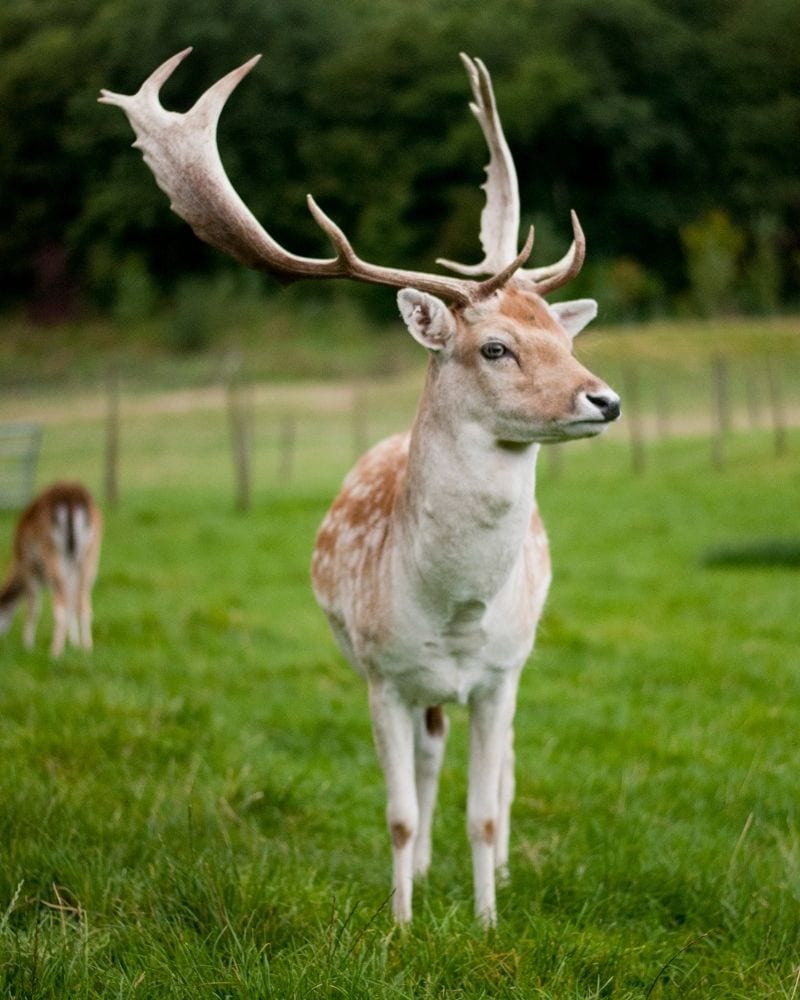
Dublin’s Phoenix Park is home to a herd of about 600 fallow deer (pictured above).
They roam freely across the park, and it’s tempting to walk right up to them — but don’t 🦌
The Office of Public Works asks visitors to stay at least 50 meters (164 feet) from the deer, including when taking photos.
Bucks can turn aggressive during the rut, from mid-October to early November. Fawns are born in June and July, when dogs are best walked outside the park.
Keep dogs on a lead wherever there are deer, and keep children well back during the rut. Never feed the deer, even carrots or apples.
Deer are wild and unpredictable, so give them a wide margin, especially a buck in autumn, and back away if one starts to approach.
7. Noble False Widow Spider

The noble false widow is Ireland’s closest thing to a dangerous spider. It arrived around the late 1990s and has spread fast.
A 2026 University of Galway study found noble false widows make up over a third of spiders in Irish urban areas.
They’ve now been recorded in at least 18 counties, and are most common in and around towns and cities.
Earlier research from the same lab found that some bites need hospital treatment.
Symptoms range from mild pain and swelling to tremors, nausea, and changes in blood pressure.
In rare cases, a bite leads to a small wound or a serious bacterial infection.
See a doctor if a spider bite gets very painful or swollen, or shows signs of infection like spreading redness or pus.
Dangerous Animals in Ireland FAQ
Are there snakes in Ireland?
No. Ireland has never had wild snakes, according to the fossil record.
Its only native land reptile is the common lizard. The legless slow worm, which looks like a snake, was introduced.
What is the most dangerous animal in Ireland?
For visitors, the tick. It lives all over the country and can pass on Lyme disease.
On farms, livestock are the bigger threat. They were involved in 36 of 171 Irish farm deaths over a recent 10-year period.
Are there poisonous spiders in Ireland?
Yes, but only one worth knowing about. The noble false widow (#7 on this list) is venomous, and its bites occasionally need hospital care.
Is Lyme disease common in Ireland?
Not very, but it’s everywhere. The HSE estimates several hundred mild cases a year, and ticks live in every part of the country.
Are there jellyfish in Irish waters?
Yes.
The lion’s mane is increasingly common, and Portuguese man o’ war sometimes wash up on Ireland’s shores when southerly winds blow them in.
Is it safe to swim at Irish beaches?
Yes, with a few precautions.
Watch for weever fish around low tide, stay clear of stranded jellyfish and man o’ war, and swim at lifeguarded beaches when you can.
What’s the emergency number in Ireland in case I get attacked?
Call 112 or 999; both numbers reach the emergency services in Ireland.