

🇮🇩 20 Animals in Bali You Might See When You Visit Indonesia’s Island Paradise

Bali’s tropical landscapes range from volcanic mountains to coral reefs, creating habitats for remarkable endemic and migratory wildlife.
This Indonesian island sits at the Wallace Line, where Asian and Australian fauna meet in spectacular biodiversity.
Explore 20 fascinating animals in Bali that make this island a naturalist’s dream destination beyond its famous beaches and temples.
🐵 1. Bali Macaque

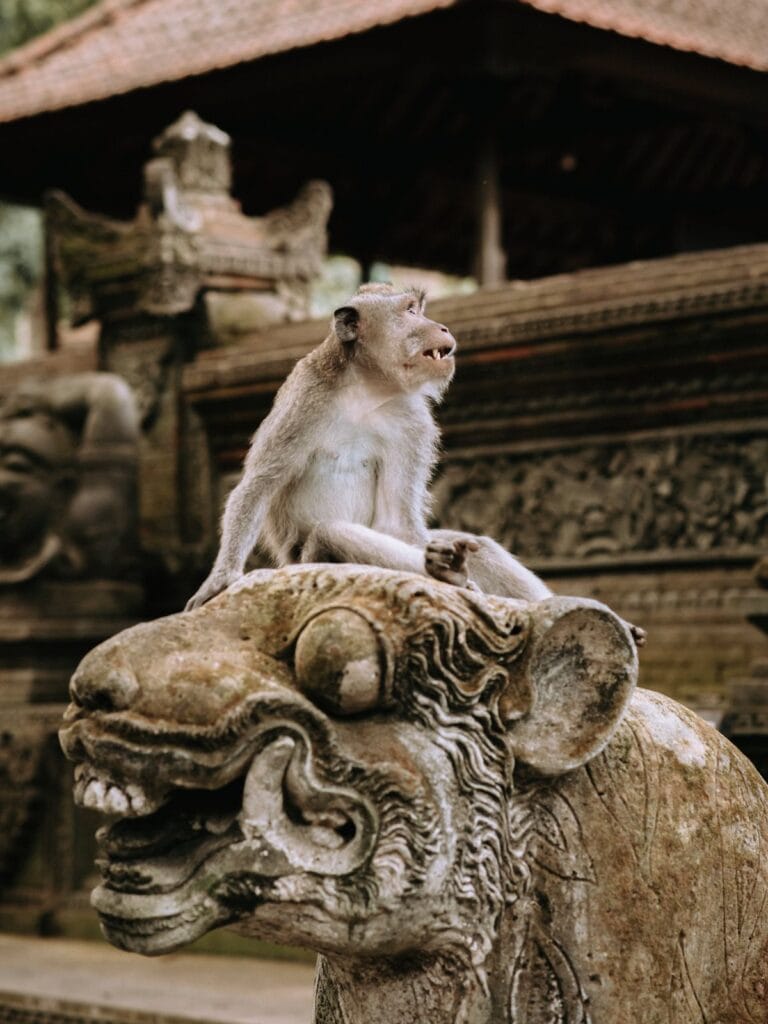
These cheeky monkeys are the stars of the famous Ubud Monkey Forest and other temple sites across Bali.
Also called long-tailed macaques, they can weigh up to 18 pounds (8 kg) with tails longer than their entire bodies.
Super social creatures, they hang out in groups of 20 to 50 family members who spend their days grooming, playing, and causing mischief.
They munch on fruits, seeds, and insects, but they’re equally famous for snatching snacks from unsuspecting tourists.
Mom monkeys are amazing teachers, showing their babies everything they need to know about forest life.
While adorable, they can get pushy when people feed them, which creates problems for everyone.
These animals in Bali hold special sacred status at Hindu temples 🛕 making them beloved local icons.
🦎 2. Tokay Gecko
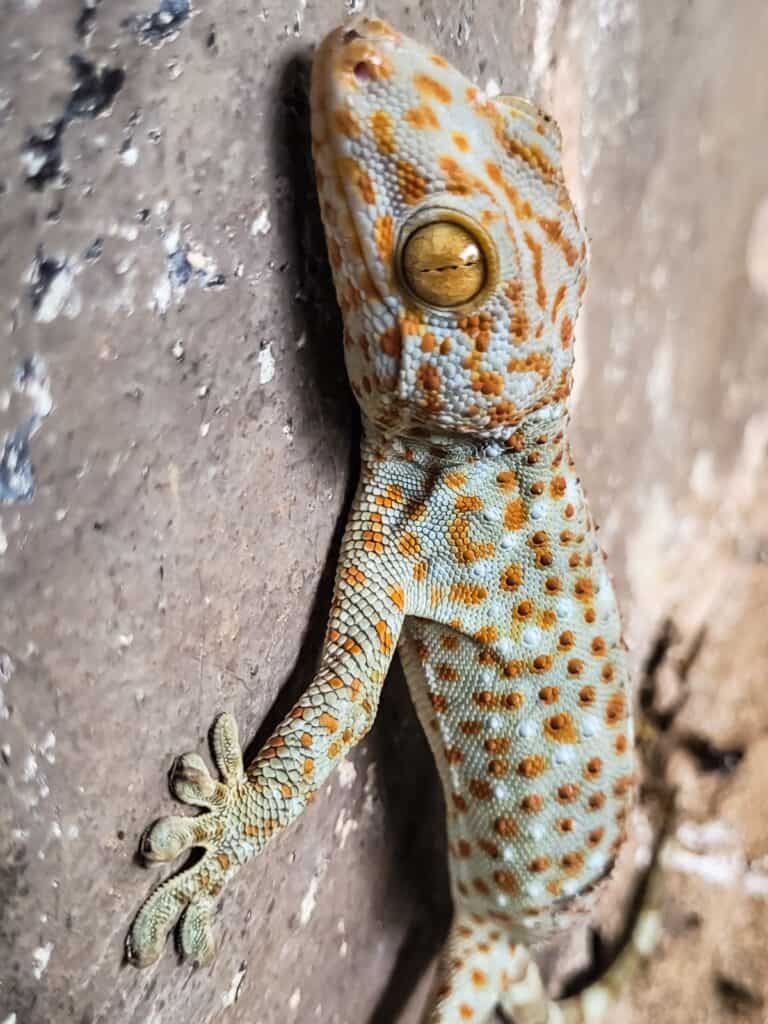
This chunky gecko literally shouts its own name at night, with loud “TO-KAY” calls echoing through Balinese evenings.
They can reach lengths of 14 inches (35 cm), making them absolute giants in the gecko world.
Don’t let their cute faces fool you though, they pack surprisingly strong bites when bothered.
Dressed in gorgeous blue-gray with orange or red polka dots, they’re basically the supermodels of lizards.
Their sticky toe pads work like suction cups, letting them walk on ceilings like it’s no big deal.
These little hunters feast on bugs, spiders, and even grab the occasional baby lizard for dinner.
Many Balinese people actually love hearing their calls, believing they bring good luck to the home.
🐦⬛ 3. Javan Myna

These chatty black birds are basically the neighborhood gossips, gathering in huge noisy flocks around Bali.
Sporting sleek black feathers with cool white wing patches, they look pretty sharp in flight.
Come evening, they throw massive bird parties in the trees, creating quite the racket.
Not picky eaters whatsoever, they’ll gobble up bugs, fruits, seeds, and happily raid your picnic leftovers.
They’re clever enough to make homes in tree holes, building cracks, or basically any cozy spot they can find.
You’ll spot these guys everywhere since they absolutely love hanging around people and towns.
Farms and cities have actually made life easier for these adaptable birds across the island.
🦇 4. Lesser Dog-Faced Fruit Bat
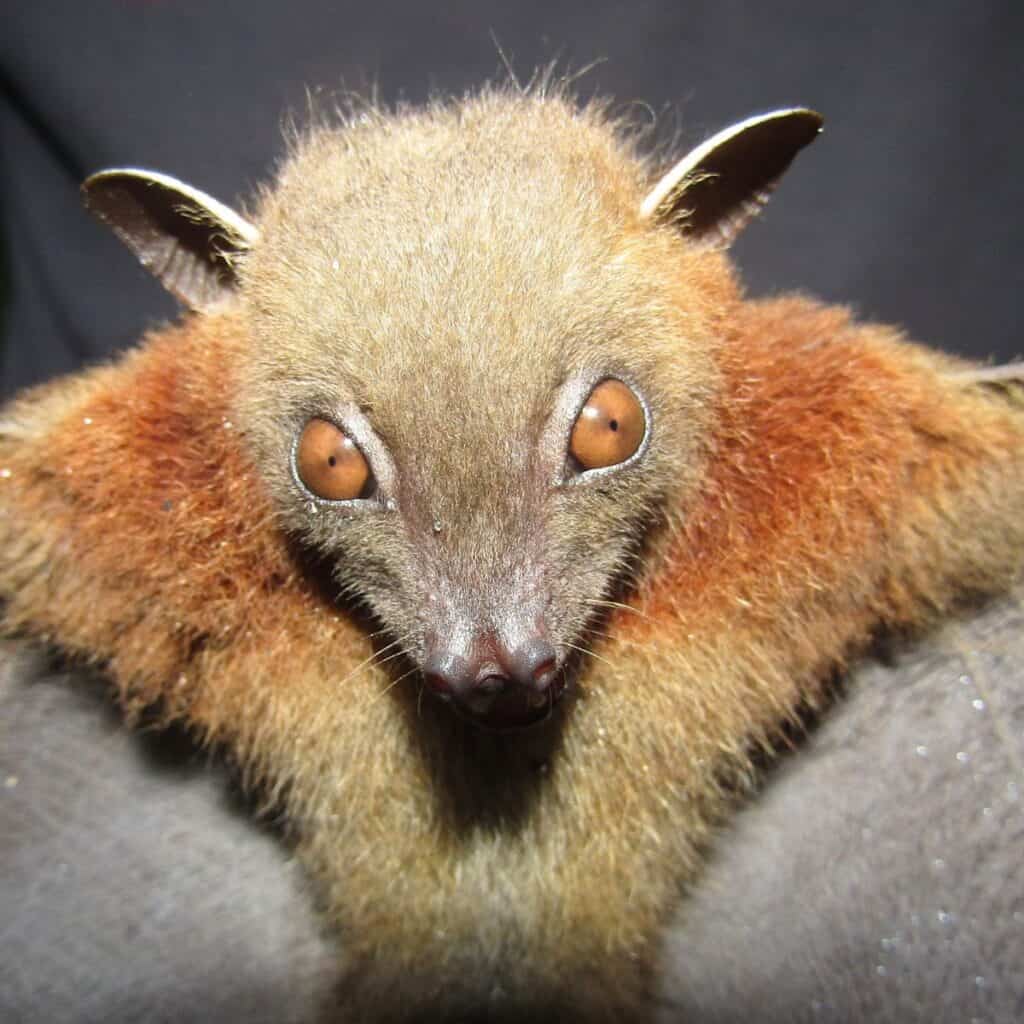
These flying furballs hang out in massive groups in trees and caves all over Bali.
With wingspans reaching 24 inches (60 cm), they can cruise long distances looking for their favorite fruiting trees.
They’re basically the island’s volunteer gardeners, spreading seeds and pollinating flowers as they fly around munching.
Unlike their creepy bug-eating cousins, these bats find food using their excellent eyesight and super-powered sense of smell.
When thousands take off at sunset, the sky fills with swooping silhouettes in an incredible natural show.
Fruit farmers sometimes grumble about them, but honestly these bats do way more good than harm for the ecosystem.
Traditional Balinese culture mostly gives bats a pass, understanding they’re important for keeping nature balanced.
🐍 5. Bali Paradise Tree Snake

This absolutely gorgeous snake rocks vibrant green colors with black edges that make it look like living jewelry.
They grow up to 4 feet (1.2 m) long and spend most of their time chilling in trees hunting lizards.
Technically they’re mildly venomous, but they’re basically harmless to people and super shy.
These acrobats can zip through tree branches like they’re running obstacle courses in the jungle.
Here’s the wildest part: they’re nicknamed flying snakes because they actually glide between trees.
By flattening their bodies super thin, they can sail through the air for more than 300 feet (91 m).
Garden owners actually appreciate these beautiful snakes since they keep lizard populations in check.
🦜 6. Yellow-Crested Cockatoo
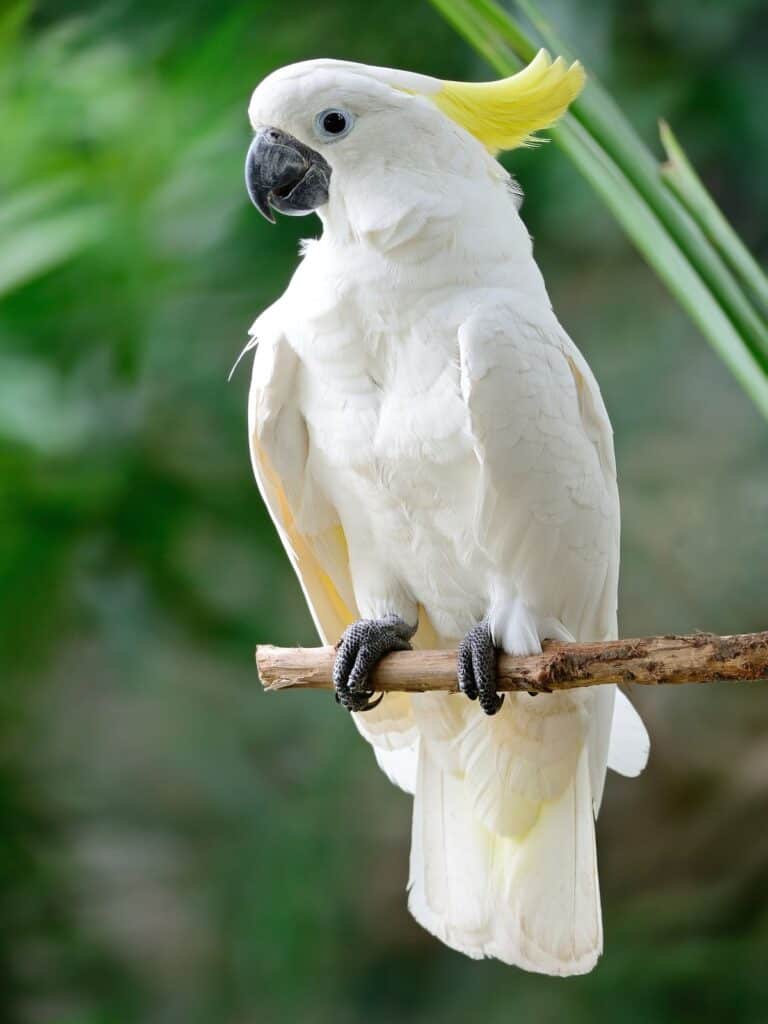
This stunning white parrot with its punk-rock yellow mohawk 🤘 is sadly super rare in the wild now.
When they get excited or spooked, that yellow crest shoots straight up in the most dramatic fashion.
Watching them fly reveals gorgeous yellow feathers under their wings, like they’re wearing a secret golden cape.
These birds are basically the tortoises of the parrot world, living more than 60 years with their lifelong partners.
Greedy pet traders have stolen so many from the wild that fewer than 7,000 exist anywhere on Earth.
Wildlife heroes are now raising baby cockatoos and releasing them back into Bali’s forests.
Local authorities are cracking down hard on smugglers trying to steal these precious birds.
🦎 7. Asian Water Monitor

These massive lizards are basically Bali’s mini-dinosaurs 🦖 growing longer than most people are tall at over 6 feet (1.8 m).
They’re amazing swimmers who love hanging out in rivers, Bali rice paddies, and anywhere near water.
Their long forked tongues constantly flicker out, tasting the air like nature’s built-in GPS system.
These guys eat pretty much anything: fish, crabs, birds, eggs, small animals, and even carrion (dead stuff) they find.
Despite looking like something from Jurassic Park, they usually just run away when they see people.
Those sharp claws and muscular tail aren’t just for show though, they’ll use them if cornered.
These monitor lizards are super important cleanup crew members in Bali’s rivers and wetlands.
🐸 8. Green Flying Frog

This incredible frog literally soars through the air using its super-webbed feet like tiny parachutes.
Decked out in bright green with yellow accents, they’re perfectly camouflaged among the tropical leaves.
When they jump from high branches, they can glide more than 50 feet (15 m) like little green hang-gliders 🪂
Mom frogs build foamy bubble nests on branches hanging over water, laying their eggs inside this weird foam castle.
Baby tadpoles literally drop into the water below when they hatch, starting their aquatic journey with a splash.
Their huge sticky toe pads work like natural suction cups, letting them stick to pretty much anything.
Seeing these frogs means the rainforest is healthy and thriving in Bali.
🐦 9. Black-Winged Starling
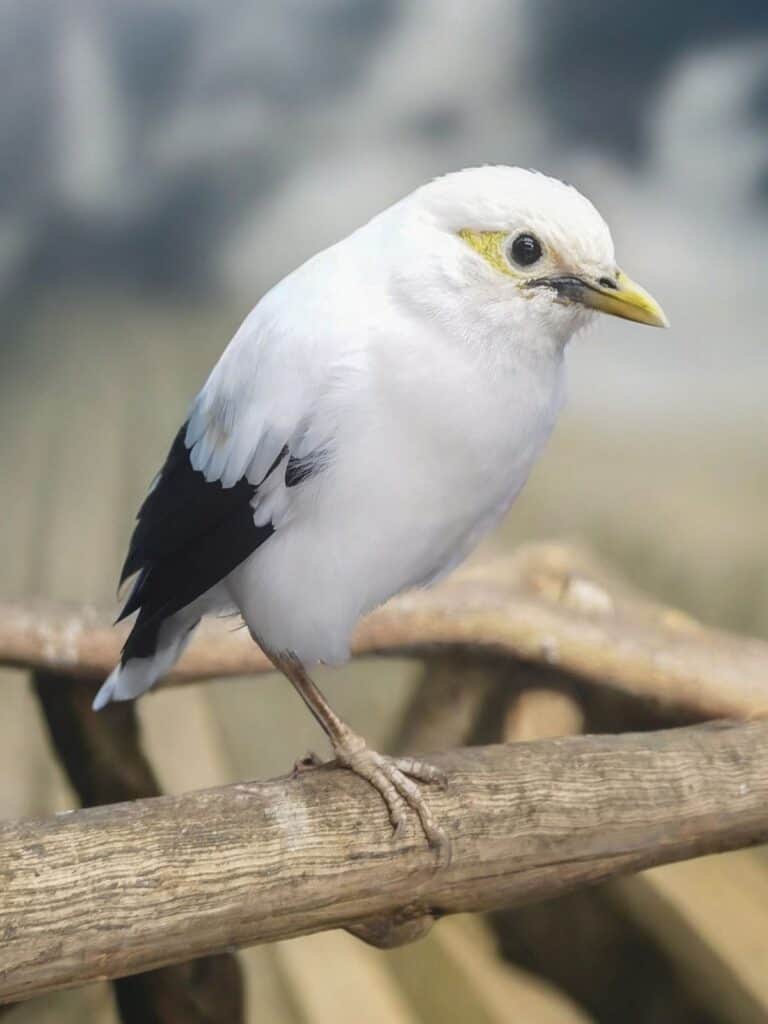
This special bird only lives on Bali and the nearby island of Java, making it super important to protect them at all costs.
The males are absolute stunners with shiny black feathers, bright yellow eye patches, and white wing stripes.
They sing beautiful songs from high perches, basically serenading the whole neighborhood.
Sadly, bird trappers have stolen so many for cages that barely 100 are left in the wild.
Wild populations of these Indonesian animals have crashed so hard that seeing one now is incredibly rare and special.
Wildlife groups are working overtime raising baby starlings and releasing them back into nature.
These animals in Bali need way better protection from poachers or they’ll disappear forever.
🦋 10. Rajah Brooke’s Birdwing

This butterfly is basically flying art 🎨 and one of Southeast Asia’s biggest and most jaw-droppingly beautiful species.
With wings spanning up to 7 inches (18 cm), the males show off brilliant emerald green and black colors that look almost electric.
Female butterflies rock more subtle brown and white patterns, which actually helps them hide better from predators.
They flutter around lowland and mountain forests, sipping nectar from their favorite flowers like little flying jewels.
The caterpillars munch on poisonous plants, which makes the adult butterflies taste horrible to anything trying to eat them.
As forests get chopped down for farms and buildings, these butterflies are running out of places to live.
Protected forest areas in Bali’s mountains are basically the last safe havens for these magnificent insects.
🐡 11. Mola Mola (Ocean Sunfish)
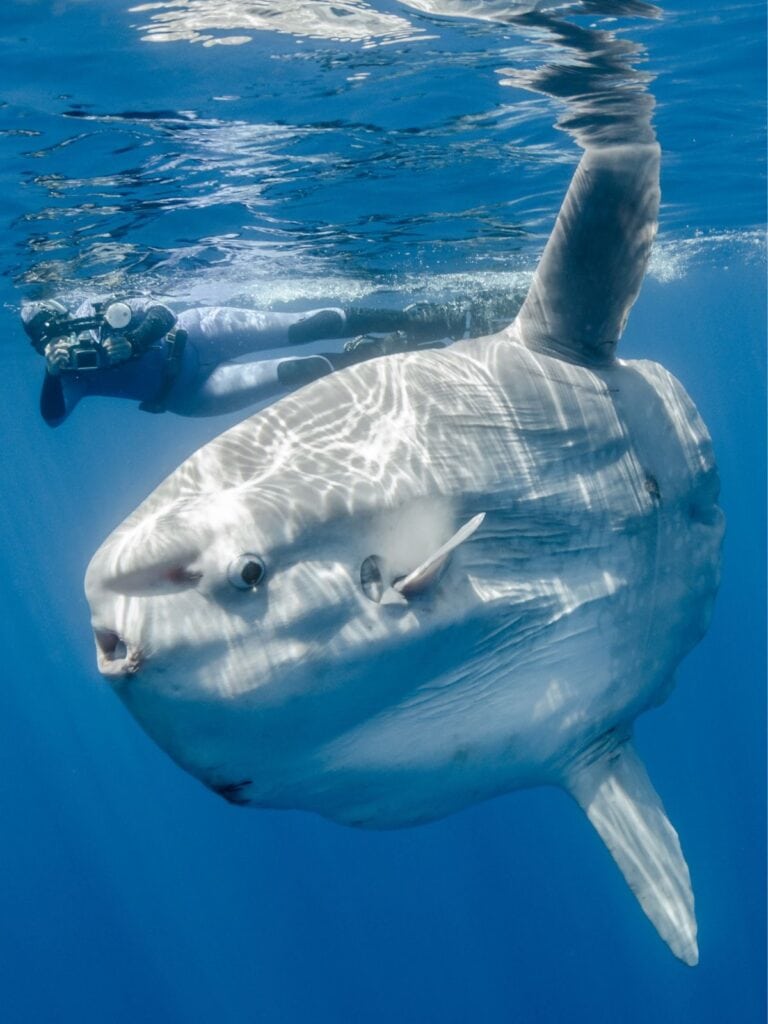
These absolutely bizarre fish look like someone forgot to finish making them, and divers travel worldwide just to see them in Bali.
They’re the heavyweight champions of bony fish, with some tipping the scales at more than 5,000 pounds (2,268 kg).
Without real tails, their body just kind of ends abruptly behind their fins — which looks hilarious 🤣
These goofy-looking giants mostly eat jellyfish, gobbling down massive quantities every single day.
They love visiting underwater cleaning stations where tiny fish give them spa treatments, removing annoying parasites.
From July to October, deep cold water brings them up to shallow areas around Nusa Penida island where snorkelers can spot them.
Despite their massive size and weird appearance, they’re total sweethearts and completely harmless to swimmers.
🦎 12. Kuhl’s Flying Gecko

This tiny gecko is basically a forest ninja 🥷 gliding between trees using fancy skin flaps and webbed feet.
Measuring just 6 to 8 inches (15-20 cm) long including their pancake-flat tails, they’re pretty small daredevils.
Their camouflage game is so strong they practically vanish against tree bark during the day (see image above for proof).
When they launch from tall trees, they can glide more than 200 feet (61 m) through the air like tiny dragons.
Sticky toe pads mean they stick perfect landings every time, clinging to whatever surface they hit.
At night they hunt bugs, spiders, and other creepy-crawlies across the forest canopy.
These geckos show how amazingly creative evolution gets in tropical rainforests.
🐢 13. Green Sea Turtle
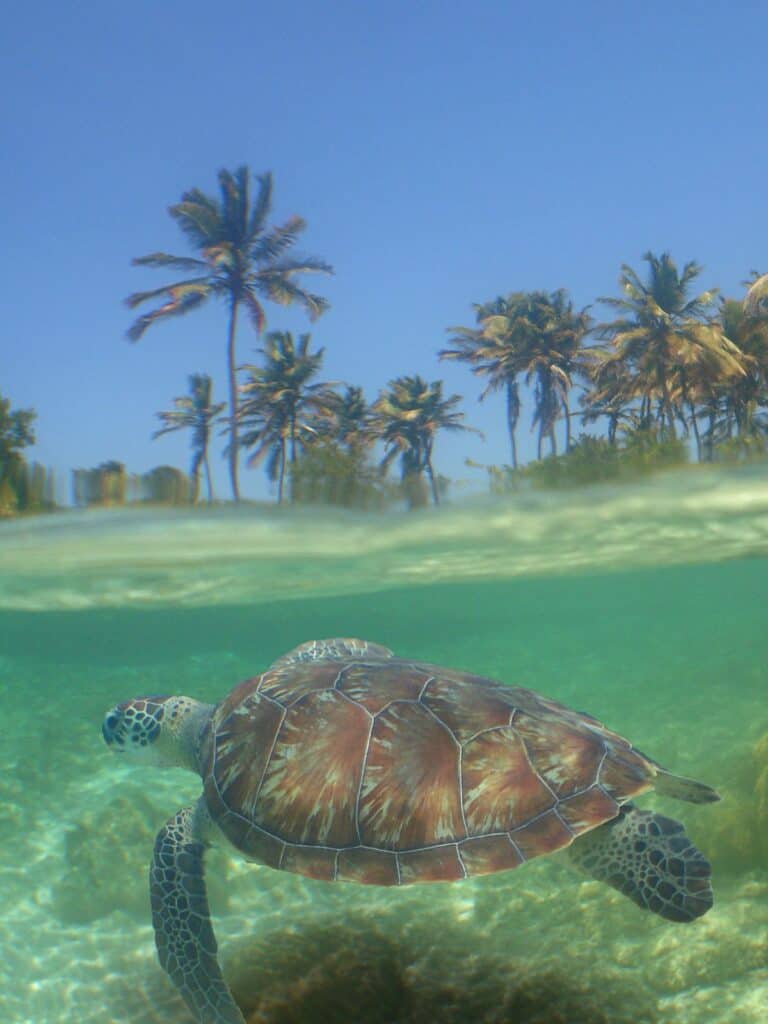
These ancient ocean wanderers come ashore to nest on Bali’s beaches, continuing traditions millions of years old.
Full-grown adults can weigh more than 350 pounds (159 kg) with shells bigger than 3 feet (0.9 m) across.
They swim hundreds of miles between where they eat and where they lay eggs, like epic ocean road trips.
Female turtles actually return to the exact same beaches where they were born, sometimes swimming from Australia back to Bali.
Each mama turtle digs a deep hole and drops about 100 to 150 ping pong ball-sized eggs in the sand.
Baby turtles face crazy dangers including predators, confusing lights, and beach development messing up nesting spots.
Wildlife groups protect nesting sites and rescue injured turtles all around Bali’s coasts.
🕊️ 14. Collared Kingfisher

These gorgeous little birds rock turquoise blue feathers that basically glow in the tropical sunlight.
With white bellies and a distinctive black collar, they’re dressed up like they’re heading to a fancy bird party 🎊
Plot twist: Despite being called kingfishers, they actually eat way more bugs, lizards, and crabs than fish.
Their loud, harsh calls echo through territories across the island, announcing “this spot is mine.”
They build cozy nests in tree holes or termite mounds, usually somewhere near water.
These adaptable birds have even moved into city parks and gardens, totally unfazed by people.
Seeing them around means the local ecosystem is doing pretty well with plenty of yummy prey for them to consume.
🐟 15. Manta Ray
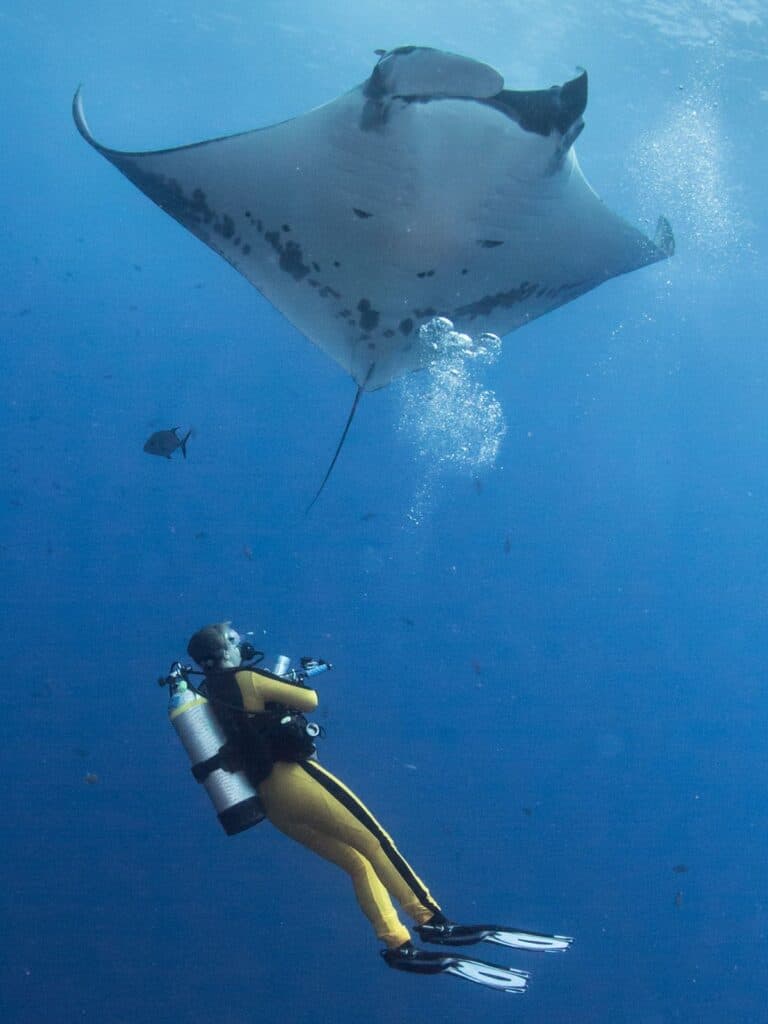
These graceful underwater giants sweep through Bali’s waters like living spaceships 🚀 and they’re absolutely mesmerizing to watch.
Reef mantas are huge, with “wingspans” exceeding 15 feet (4.6 m) and weigh more than 3,000 pounds (1,361 kg).
They cruise around with their mouths wide open, filtering out plankton from the water like living vacuum cleaners.
Each manta has unique spot patterns on their belly, kind of like fingerprints that scientists use to tell them apart.
These intelligent creatures seem genuinely curious about divers, sometimes swimming right up for a closer look.
Manta Point is such a popular Bali dive site that thousands of tourists visit every year hoping for manta encounters.
Protection efforts focus on keeping fishermen from catching them and making sure the reefs stay healthy.
🦋 16. Atlas Moth

One of the world’s biggest moths, with wings that can span a whopping 12 inches (30 cm) across.
Rocking reddish-brown wings with see-through patches that look like little windows, they’re totally unique.
The coolest part? Their wing tips curve into shapes that look like snake heads, which freak out predators so they go away.
Adult atlas moths don’t even have working mouths, instead living off energy stored from their caterpillar days 🐛
They only live for one to two weeks as adults, with their entire existence focused on making baby atlas moths.
The chunky caterpillars munch on all sorts of plants including citrus and guava leaves.
Their cocoons make silk, though nobody harvests it commercially like they do with regular silkworms.
🐍 17. Banded Krait
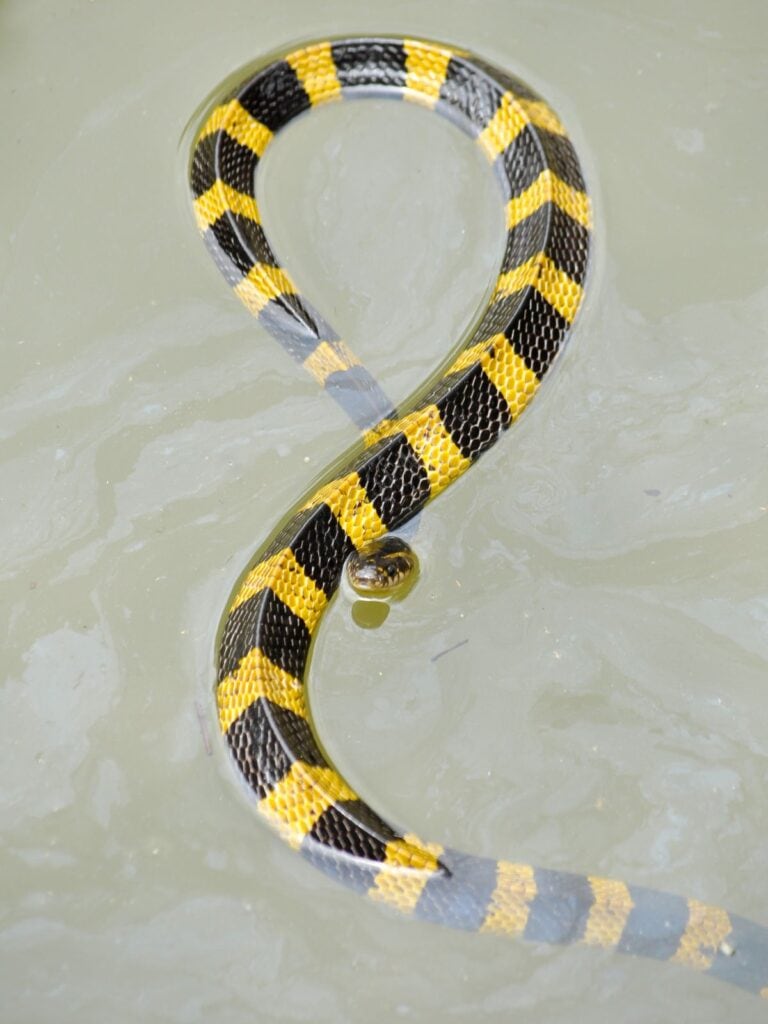
This seriously venomous snake sports eye-catching yellow and black stripes like a dangerous candy cane.
Growing up to 6 feet (1.8 m) long, they spend nights hunting other snakes, lizards, and frogs.
Here’s the weird part: They’re total sweethearts during the day, barely reacting even if you pick them up, but turn aggressive after dark 🤷♀️
Their venom packs powerful nerve toxins that can stop breathing in humans, so yeah, they’re no joke.
They love hanging around water, often showing up in Balinese rice paddies and farm areas.
Most bites happen when people accidentally step on them during nighttime bathroom runs or late walks.
Balinese folks treat these snakes with respect, knowing they’re both dangerous and important for keeping nature balanced.
🐍 18. Rough-Scaled Bush Viper
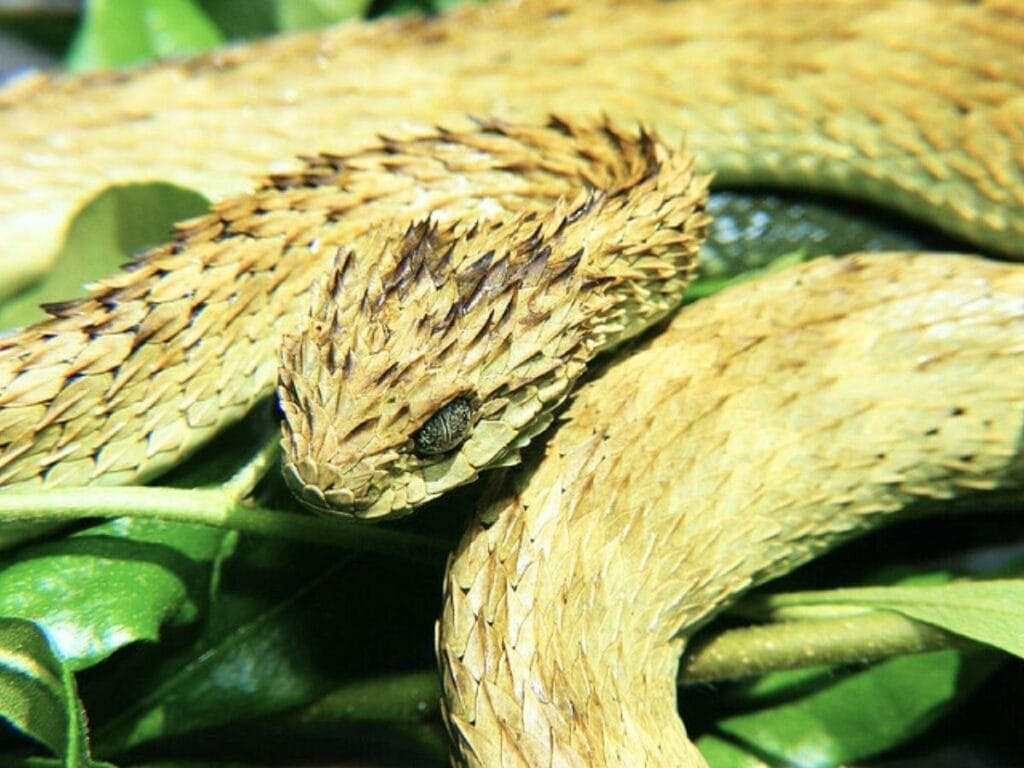
This stunning pit viper hangs out in Bali’s mountain forests where it’s cooler and mistier.
Their rough, bumpy scales give them their name and create awesome texture.
They come in different colors — green, brown, or yellow (seen in the image above) — all providing perfect forest camouflage.
These ambush hunters just chill on branches, waiting super patiently for small mammals and birds to wander by.
Heat-sensing pits between their eyes and nostrils work like thermal cameras, spotting warm prey in total darkness.
While venomous, they rarely bother people since they live way up in remote forests.
As forests disappear, these snakes are losing the tree canopy they need for hunting.
🐦 19. Bali Starling (Bali Myna)
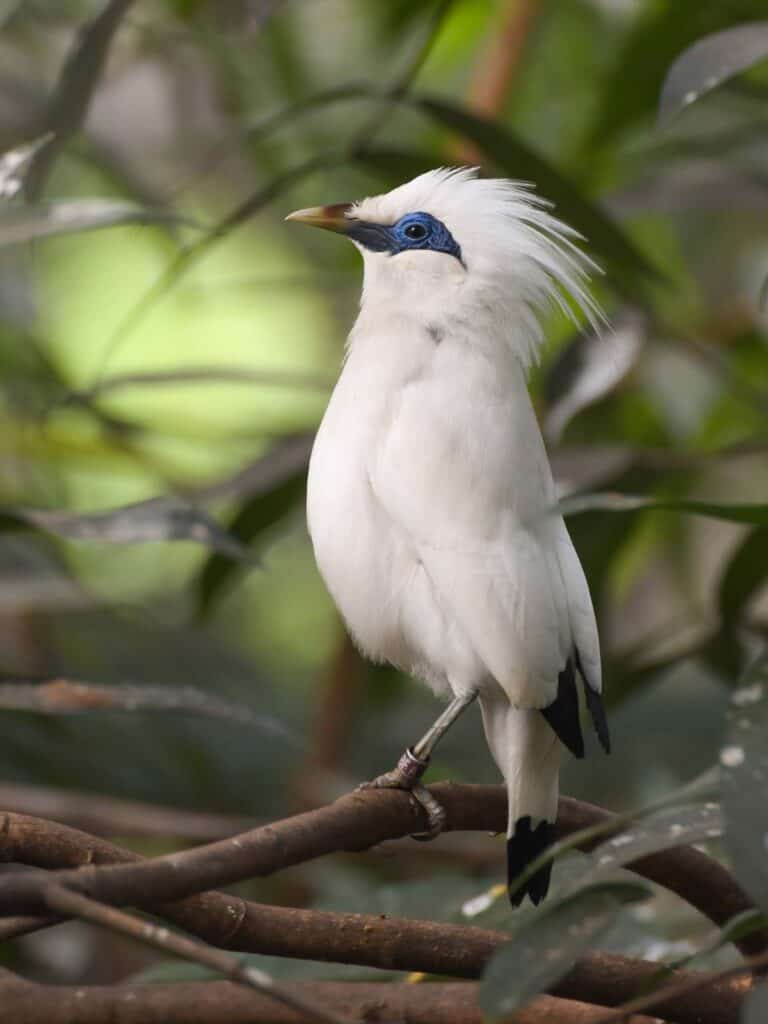
This absolutely breathtaking bird only exists on Bali — and literally nowhere else on planet Earth.
Rocking snow-white feathers with black wing tips and brilliant blue eye patches, they’re stunners.
Critically endangered, wild populations of Bali myna birds crashed to fewer than 10 birds because greedy trappers kept stealing them for cages.
Massive breeding and release programs have bumped numbers up to about 100 wild birds now.
They live in dry forests around West Bali National Park in the northwestern part of the island.
With so few left, every single bird matters when it comes to keeping the species alive for generations to come.
These animals in Bali represent both heartbreaking wildlife crime and hopeful conservation comebacks.
🪼 20. Blue-Ringed Octopus
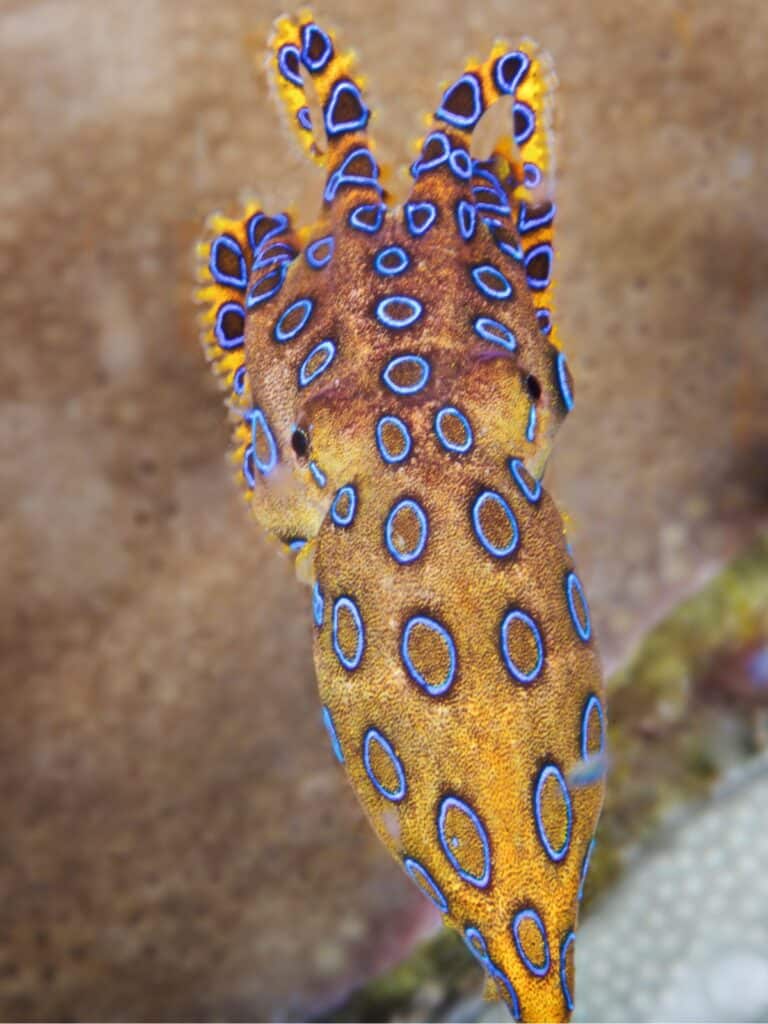
With beauty and danger in one tiny package, this adorable little octopus is also one of the ocean’s deadliest creatures.
At just 5 to 8 inches (12-20 cm), they’re small enough to fit in your hand — but don’t even think about doing that.
When threatened, electric blue rings flash all over their body like neon warning signs screaming 🗣️ DANGER‼️
Their venom contains enough tetrodotoxin to kill humans in minutes, and there’s no antidote for blue-ringed octopus venom.
Without quick medical help, a bite can be fatal, making these arguably the most dangerous animals in Bali waters.
They use their deadly saliva to hunt tiny crabs, shrimp, and fish in tide pools.
Look but absolutely never touch, as these gorgeous sea creatures are marine wildlife’s ultimate “do not pet” sign.
Our Final Thoughts on the Coolest Animals in Bali
Bali sits right at the biological crossroads where Asian and Australian wildlife meet, creating mind-blowing diversity on one relatively small island.
Species like the Bali starling show us both how fragile island wildlife can be and how amazing comebacks are possible with dedicated protection.
The animals in Bali remind us that these magical islands 🏝️ need serious protection from wildlife traffickers, overdevelopment, and habitat destruction to keep their natural magic alive.