🦈 The 8 Most Dangerous Animals in Hawaii (That Can Actually Hurt You)
Sharks are what most people worry about before a Hawaii trip. Yet the islands average only three or four shark bites a year.
The stingers are another story. On one January day in 2026, Honolulu Ocean Safety responded to 13 box jellyfish stings.
During one man o’ war influx, lifeguards on Oahu’s windward side reported more than 1,000 stings in just two days.
Most of the dangerous animals in Hawaii live in the water, right where you’ll be swimming, snorkeling, and surfing. A few, like giant centipedes, stay on land.
Tiger sharks still lead the list.
The state considers them the most dangerous sharks in its waters, and in October they move closer to shore to give birth.
1. Tiger Sharks

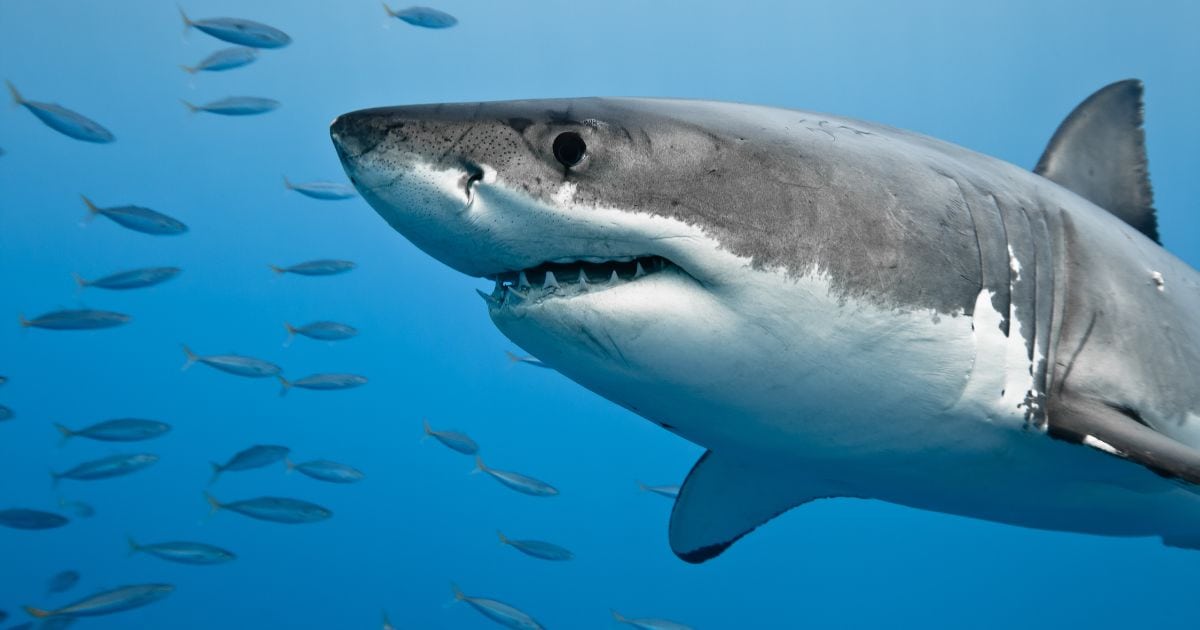
About 40 species of sharks live in Hawaiian waters, but tiger sharks are considered the most dangerous 🦈
Tiger sharks can grow up to 18 feet long (5.5 m), though most stay under 14 feet (4.3 m) in length.
They eat almost anything, which is why they’re nicknamed the “garbage can of the sea.”
Shark bites in Hawaii are rare, though, averaging about three or four a year.
In 2025, Hawaii recorded 4 unprovoked shark bites and no fatalities, according to the International Shark Attack File.
But fatal bites still happen, most recently in June 2024, when a surfer was killed off Lāʻie on Oahu.
Not every bite comes from a tiger shark, either.
In May 2026, a Galapagos shark bit a surfer off Oahu, leaving major cuts on the surfer’s calf and foot.
October is the month to be most careful.
University of Hawaii scientists found that about 20% of Hawaii’s shark bites from 1995 to 2024 happened in October, when tiger sharks give birth and move closer to shore.
To lower your risk, follow these shark safety tips below that came directly from the Hawaii Department of Land and Natural Resources (DLNR).
- Swim, surf, and snorkel with a buddy, and stay close to each other.
- Avoid the water at dawn, dusk, and night.
- Stay out of murky water, harbor entrances, and stream mouths, especially after heavy rain.
- Skip shiny jewelry and high-contrast swimwear.
- Keep out of the water if you’re bleeding or have an open wound.
- Get out if fish or turtles start acting erratically.
- Swim at beaches with lifeguards, and follow their advice.
If a shark bites, the first job is getting to shore. Then press hard on the wound to control the bleeding and call 911.
2. Box Jellyfish

The Hawaiian box jellyfish shows up on Oahu’s beaches almost like clockwork.
Box jellyfish swarms arrive about 8 to 10 days after each full moon, mostly along Oahu’s leeward and south shores.
📆 Hawaii Travel Tip: Before your trip, check the full moon dates, and plan your Waikiki beach days around them.
University of Hawaii researchers have tracked these monthly arrivals since 1997. The hot spots are Waikiki, Ala Moana Beach Park, and Hanauma Bay.
On January 11, 2026, Honolulu Ocean Safety responded to 13 box jellyfish stings in a single day, mostly around Ala Moana.
When lifeguards post box jellyfish warning signs, stay out of the water.
Many people don’t know the jellies are there until they feel a sudden, sharp sting. Stings are extremely painful, and some send people to the hospital.
If stung, rinse the area with vinegar, then pull off any tentacles with tweezers and apply heat.
University of Hawaii researchers found that rinsing with seawater, scraping, and ice can all make the sting worse.
Ice more than doubled the damage from Hawaiian box jellyfish venom in their tests.
3. Portuguese Man O’ War

Box jellyfish aren’t the only stinging drifters in Hawaii.
The Portuguese man o’ war, a blue, balloon-like creature that isn’t technically a jellyfish, can sting huge numbers of beachgoers at once.
You’ll find them mostly on north- and east-facing shores, where the trade winds push them toward the beach. On Oahu, that means windward beaches like Kailua, Waimanalo, and Makapuu.
During one influx, lifeguards on Oahu’s windward side reported more than 1,000 stings in just two days.
Its long tentacles deliver a painful sting, so never touch one with bare hands, even on the sand.
Stay out of the water when lifeguards post man o’ war warnings, and watch where you walk on windward beaches.
If stung, rinse with vinegar, then soak the area in hot water at about 115°F (46°C) for 45 minutes.
Get medical help right away if you have trouble breathing, an irregular heartbeat, or a severe allergic reaction.
4. Hawaiian Monk Seal
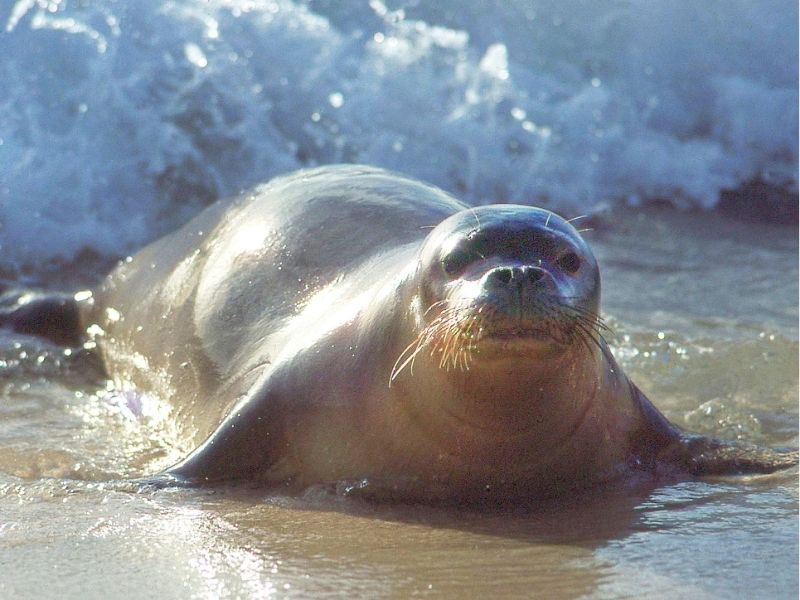
Spotting a Hawaiian monk seal snoozing on the sand is a highlight of any Hawaii trip.
But these seals are wild animals, and mother seals can bite when they feel threatened.
Mothers can weigh several hundred pounds, and they’re especially protective of their pups. In July 2022, a mother seal named Rocky injured a woman at Kaimana Beach in Waikiki, Oahu.
Sadly, monk seals are also endangered, with only about 1,600 left in the wild.
NOAA Fisheries asks you to stay at least 50 feet (15 m) from monk seals, both on land and in the water.
Give a mother and pup at least 150 feet (46 m), and never swim near them. Getting too close can also get you in serious legal trouble.
Under Hawaii law, harming or harassing a monk seal is a felony with fines up to $50,000 and up to five years in prison.
Keep your distance, use a zoom lens to take photos, and never try to touch or feed a monk seal.
To report a seal being harassed, call the NOAA marine wildlife hotline at 888-256-9840.
5. Sea Urchins
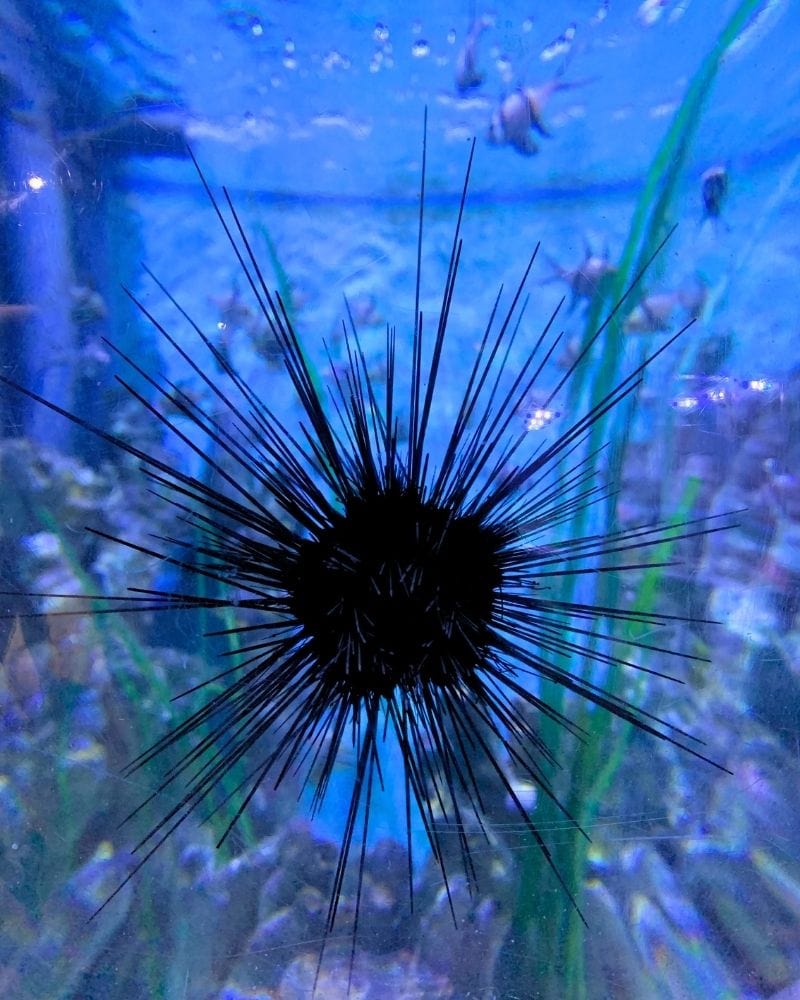
Sea urchins are a common hazard for snorkelers and waders in Hawaii. They cling to rocks and reefs in shallow water, often tucked into cracks where they’re hard to see.
The long-spined banded sea urchin, found on Hawaiian reefs, has thin venomous spines that can deliver a nasty sting.
The spines break off easily in your skin, causing pain, swelling, and sometimes purple or black marks.
Never stand on the reef, and watch your hands and feet when you enter or exit the water over rocks.
Water shoes like these give your soles a buffer when you climb in and out over rocks.
If stung, pull out any spines you can reach with tweezers, then soak the area in hot water.
See a doctor if the pain doesn’t go away or the wound shows signs of infection, since spine fragments left in the skin can cause problems for months.
6. Scorpionfish

Scorpionfish are masters of camouflage. They sit motionless on rocks and reefs, blending in so well that snorkelers and divers often don’t see them.
Hawaii is home to 25 species of scorpionfish, including the titan scorpionfish, known locally as nohu.
One relief: the dreaded stonefish isn’t found in Hawaiian waters. But according to the Maui Ocean Center, Hawaiian scorpionfish venom is second only to the stonefish.
The venom is in the spines along their backs, and a sting is powerful and painful.
Stings are very rare in Hawaii, and they usually happen when someone touches or steps on one.
Don’t touch the reef, and never stick your hands into cracks or holes.
If a scorpionfish stings you, plan on seeing a doctor, but first get the wound into hot water, as hot as you can bear without burning.
7. Giant Centipede

Hawaii doesn’t have venomous land snakes, but it does have giant centipedes.
Called kanapi in Hawaiian, giant centipedes rarely grow longer than 6 inches (15 cm), despite local stories of much bigger ones.
It’s found on Oahu, Maui, Lanai, Kahoolawe, and the Big Island of Hawai’i.
Its bite is extremely painful, and some people need to go to the hospital after a severe reaction.
Centipedes often hide under rocks, wood, and yard debris, and they can wander into homes and vacation rentals.
Shake out your shoes, towels, and clothes before using them, and wear gloves if you move rocks or wood.
If bitten, wash the bite with soap and water, and get medical care if the pain or swelling becomes severe.
8. Slugs and Snails (Rat Lungworm)
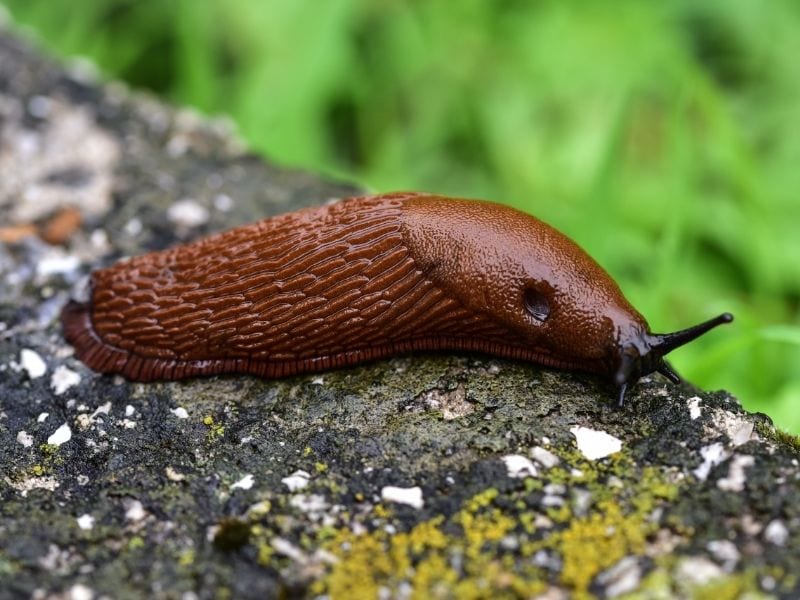
The most surprising dangerous animal in Hawaii is something you could accidentally eat. (Well, maybe 🤔)
Slugs and snails in Hawaii can carry rat lungworm, a parasite that can infect the human brain.
People get infected by eating raw or undercooked snails or slugs, or produce with a tiny infected one on it.
The illness can cause a severe headache, neck stiffness, and nerve pain, and in rare cases, coma or death.
Cases are uncommon, but Hawaii confirmed 6 cases in 2025, and most were on the Big Island.
Wash fruits and vegetables carefully, rinsing each leaf of leafy greens under running water. Never touch slugs or snails with bare hands, and don’t drink from garden hoses.
A severe headache or stiff neck after you get home calls for a doctor’s visit. Make sure they know you were in Hawaii.
Dangerous Animals in Hawaii FAQ
What is the most dangerous animal in Hawaii?
The tiger shark. The Hawaii DLNR considers tiger sharks the most dangerous sharks in Hawaiian waters.
But you’re far more likely to be stung by a box jellyfish or a Portuguese man o’ war than bitten by a shark.
Are there sharks in Hawaii?
Yes. About 40 species of sharks live in Hawaiian waters, and tiger sharks are the main concern.
Shark bites are rare, though, and Hawaii recorded 4 unprovoked bites and no fatalities in 2025.
Are there snakes in Hawaii?
Almost none. You won’t find venomous land snakes in Hawaii.
The one you might see is the Brahminy blind snake, a harmless, worm-like snake that’s usually 2 to 4 inches long (5 to 10 cm).
The yellow-bellied sea snake is the only sea snake known to reach Hawaii, and it’s rarely seen.
Hawaii works hard to keep invasive brown tree snakes out, since they wiped out 12 native bird species on Guam.
When is box jellyfish season in Hawaii?
Every month. Box jellyfish usually arrive on Oahu’s leeward and south shores about 8 to 10 days after each full moon.
These dates are estimates, so always check with lifeguards before you swim.
Is it safe to swim in Hawaii?
Mostly. Swim at beaches with lifeguards, and follow posted warning signs for jellyfish, sharks, and high surf.
Avoid murky water, and stay out of the ocean at dawn, dusk, and night.
Can you touch sea turtles in Hawaii?
No. Green sea turtles are protected under federal law, and touching or harassing them is illegal.
NOAA Fisheries asks you to stay at least 10 feet (3 m) away, both on land and in the water.
Are there scorpions in Hawaii?
Yes, but they’re not a big threat.
Hawaii has the lesser brown scorpion, and the Bishop Museum says its sting is more like a bee sting. It’s also relatively uncommon.