🇧🇬 15 Animals in Bulgaria You Might Encounter When You Visit (#13 is Adorable!)

Bulgaria offers far more than ancient monasteries and picturesque mountain villages, as nature lovers may also encounter different wild animals in Bulgaria.
This Balkan nation has more than 29,000 animal species, making it one of Europe’s most biodiverse destinations, despite its modest size.
From brown bears roaming the Pirin Mountains to dolphins playing in the Black Sea, let’s discover the Bulgarian animals that are as captivating as the country’s rich cultural heritage.
1. Brown Bear

The brown bear is Bulgaria’s largest terrestrial predator, with approximately 700 individuals inhabiting the country’s mountain forests.
These powerful omnivores roam the Rila, Pirin, and Rhodope Mountains, particularly in remote areas of Central Balkan National Park.
Despite their size and strength, brown bears are incredibly shy and actively avoid human encounters.
Bears feed primarily on vegetation, berries, roots, insects, and occasionally small mammals.
They play crucial roles in forest ecosystems by dispersing seeds and maintaining ecological balance.
The Dancing Bear Park near Belitsa provides sanctuary for rescued bears that cannot return to the wild.
This ethical facility allows visitors to observe these magnificent animals while learning about conservation efforts.
If hiking in bear territory, make noise by talking or singing to alert bears to your presence.
They will usually detect you first and retreat to avoid confrontation.
Signs of bear activity include scratched trees, overturned logs, and distinctive paw prints in muddy areas.
2. Gray Wolf

More than 1,000 gray wolves inhabit Bulgaria’s mountains and forests, making it one of the few European countries with thriving wolf populations.
These intelligent pack animals live throughout the Balkan Mountains, Strandzha, and Rhodope ranges.
Wolves are extremely elusive creatures that avoid humans, so actual sightings are rare even in areas where they’re abundant.
Bulgarian wolves hunt deer, wild boar, and smaller mammals in coordinated pack strategies.
Their haunting howls echo through mountain valleys, creating an atmospheric soundtrack to wilderness experiences.
Local guides can teach visitors to identify wolf tracks and signs.
Camera traps set by wildlife researchers occasionally capture footage of these apex predators.
Conservation organizations work to promote coexistence between wolves and rural communities where livestock conflicts sometimes occur.
3. Eurasian Lynx
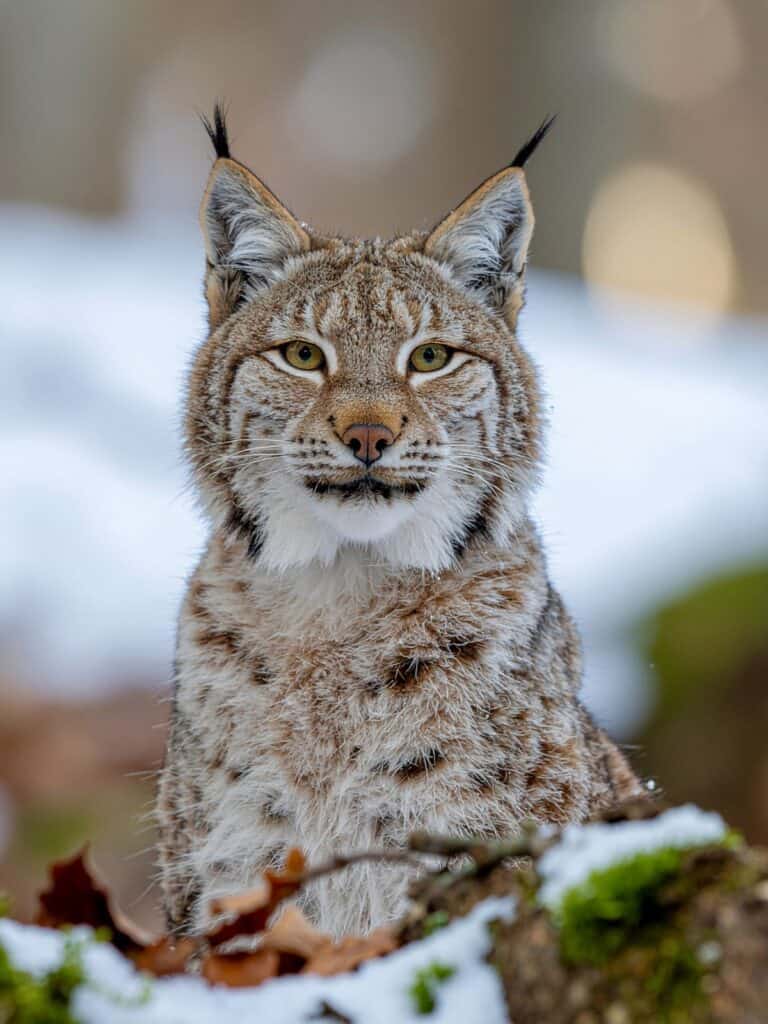
The Eurasian lynx is Bulgaria’s most elusive wildcat, with the critically endangered Balkan lynx subspecies found primarily in the Rhodope Mountains.
Fewer than 50 Balkan lynx remain in the wild, making them one of Europe’s rarest mammals.
The Balkan lynx represents a unique subspecies found nowhere else on Earth.
These medium-sized wildcats have distinctive ear tufts, spotted coats, and powerful legs built for climbing rocky terrain.
Lynx primarily hunt roe deer, chamois, and hares in remote mountain forests.
They’re solitary and nocturnal, making human encounters exceptionally rare.
Conservation programs including the Balkan Lynx Recovery Programme work across borders to protect this endangered species and their habitats.
Visitors exploring wilderness areas should consider themselves extraordinarily fortunate to spot any trace of these ghost-like predators.
4. Red Deer

Red deer are among Bulgaria’s most majestic large mammals, inhabiting forests and meadows throughout the country’s mountain regions.
Males grow impressive branching antlers that they shed and regrow annually.
During autumn rutting season, their loud bellowing calls echo across valleys as stags compete for mates.
Red deer graze on grasses, leaves, and bark in forest clearings and alpine meadows.
They’re most active during dawn and dusk, when they venture into open areas to feed.
Pirin National Park, Rila National Park, and Central Balkan National Park all host substantial red deer populations.
Patient hikers frequently spot these graceful animals, particularly in early morning or late evening hours.
Red deer play important roles in shaping forest vegetation and providing prey for wolves and other predators.
Their presence indicates healthy, functioning ecosystems.
5. Balkan Chamois

The Balkan chamois is an agile goat-antelope perfectly adapted to Bulgaria’s rocky mountain peaks and steep cliffs.
These sure-footed animals navigate vertical terrain with remarkable ease, leaping across ravines and scaling seemingly impossible rock faces.
Their exceptional climbing abilities allow them to escape predators and access vegetation on high-altitude slopes.
Chamois have distinctive curved horns and brownish-gray coats that provide excellent camouflage against rocky backgrounds.
They live in small herds in alpine zones above the tree line.
Rila National Park and Pirin National Park offer the best opportunities to observe chamois.
Early morning hikers exploring high-altitude trails sometimes spot these animals grazing on mountain meadows or traversing rocky ridges.
Conservation efforts protect chamois habitat from disturbance.
Their ability to thrive in harsh alpine environments makes them symbols of mountain wilderness.
6. Wild Boar

Wild boars are widespread throughout Bulgaria, inhabiting forests, scrublands, and even areas near human settlements.
These powerful animals have thick bristly coats and males sport impressive curved tusks.
They’re omnivorous foragers that use their strong snouts to root through soil for roots, tubers, acorns, insects, and small animals.
Wild boars are most active during twilight hours. Signs of their presence include distinctive rooted-up earth where they’ve dug for food.
They travel in family groups called sounders.
Mother boars with piglets can be dangerous if they feel threatened, so hikers should maintain respectful distances.
Despite hunting pressure, wild boar populations remain robust across Bulgaria’s forests and national parks.
7. European Hedgehog
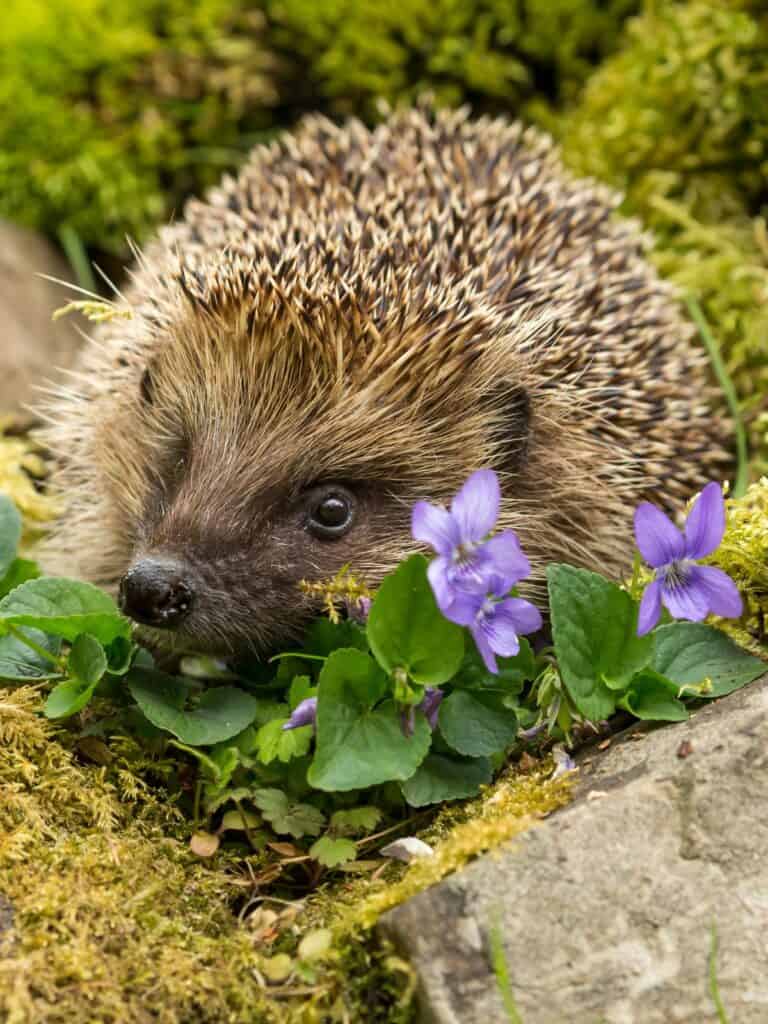
The European hedgehog is one of Bulgaria’s most beloved small mammals, found in gardens, villages, and countryside areas throughout the country.
These charming creatures are covered in thousands of spines that protect them from predators.
When threatened, hedgehogs curl into tight balls, presenting only their spiny exterior to potential threats.
Hedgehogs are nocturnal insectivores that consume beetles, slugs, worms, and other invertebrates.
Bulgarian villagers often welcome hedgehogs near their homes because these helpful animals eat snakes and other garden pests.
Some rural communities even leave food out for hedgehogs, recognizing their value in controlling unwanted creatures.
Their snuffling sounds and characteristic waddle make them delightful wildlife encounters.
8. White Stork
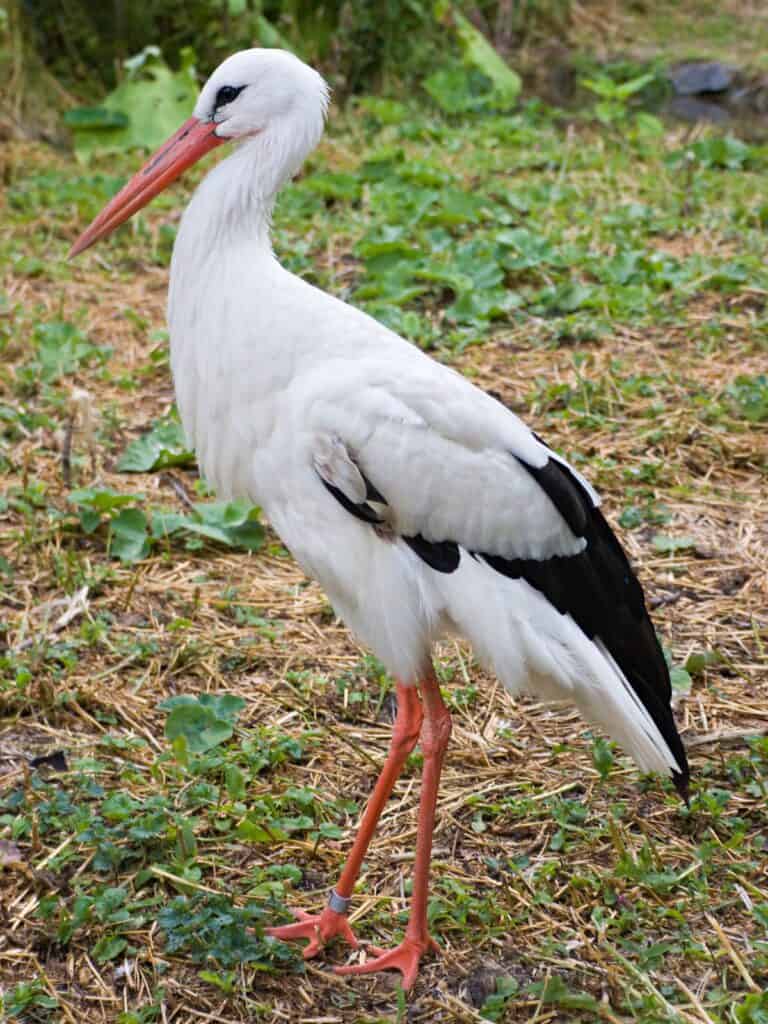
White storks hold special significance in Bulgarian folklore, symbolizing good luck, new life, and the arrival of spring.
These large wading birds with distinctive black-and-white plumage and bright red beaks nest on rooftops, chimneys, and specially built platforms throughout Bulgarian villages.
They return to the same nests year after year, often for generations.
Storks migrate to Africa each winter and return to Bulgaria in late March, heralding spring’s arrival.
Local tradition says that hearing a stork’s clattering bill for the first time each year brings prosperity.
These skilled hunters wade through wetlands and fields catching frogs, fish, insects, and small mammals.
Villages throughout Bulgaria host nesting storks, creating iconic scenes of massive stick nests crowning traditional houses.
Conservation efforts protect nesting sites, and many communities take pride in their resident stork families.
9. Dalmatian Pelican
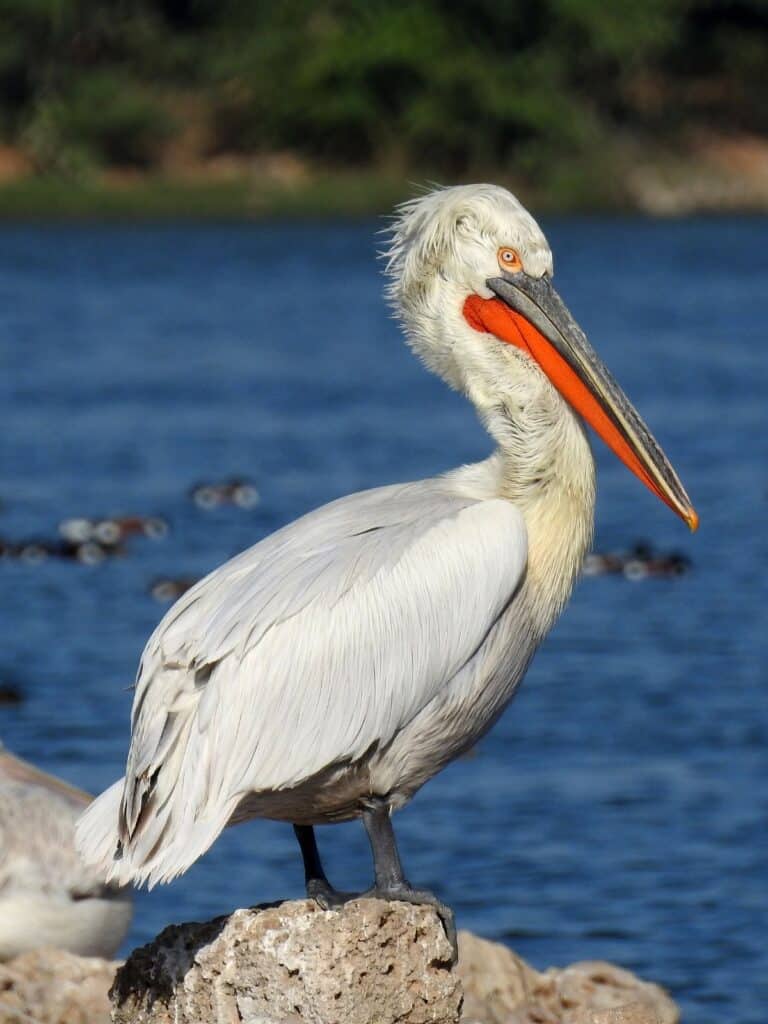
The Dalmatian pelican is one of the world’s largest flying birds, with wingspans reaching up to 11 feet (3.4 meters).
Bulgaria’s Srebarna Nature Reserve hosts an important breeding population of these magnificent white birds with silver-gray plumage and distinctive curly nape feathers.
Srebarna was designated a UNESCO World Heritage site in 1983 partly due to its pelican colonies.
Dalmatian pelicans fish cooperatively in shallow waters, often working together to herd fish before scooping them up in their enormous bills.
They nest on floating vegetation platforms in reed beds.
The species faced dramatic population declines during the 20th century, but conservation efforts including artificial nesting platforms have helped stabilize numbers.
Boat tours and observation points allow visitors to watch these impressive birds without disturbing them.
Wetlands along the Danube River and Burgas Lakes also attract migrating and wintering pelicans.
10. Egyptian Vulture
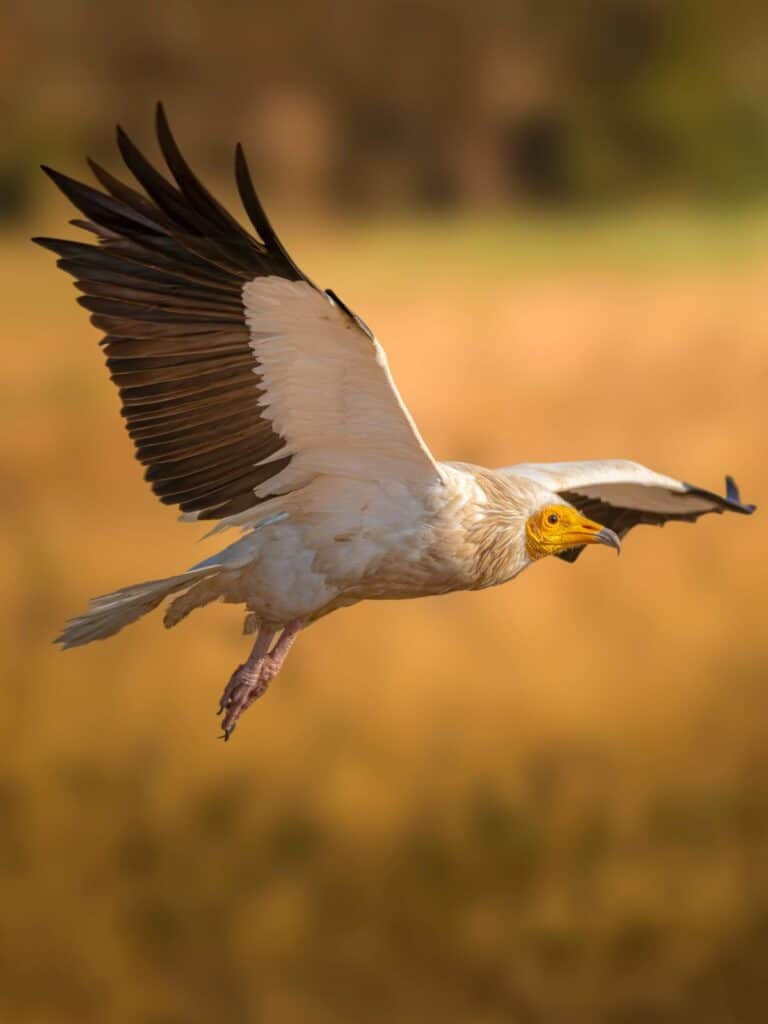
The Egyptian vulture is critically endangered, with Bulgaria hosting one of Europe’s most important remaining populations in the Eastern Rhodope Mountains.
These distinctive white vultures with wedge-shaped tails and yellow facial skin are sometimes called “Pharaoh’s chickens.”
They’re one of the few tool-using birds, dropping stones to crack open eggs.
Egyptian vultures are migratory, spending winters in Africa and returning to Bulgaria each spring to breed.
They nest on remote cliff faces and feed primarily on carrion, playing crucial roles as nature’s cleanup crew.
Conservation organizations including the Bulgarian Society for the Protection of Birds operate feeding stations and monitor breeding pairs.
Poisoning, electrocution on power lines, and habitat loss threaten these remarkable birds.
The Madzharovo area offers vulture watching hides where visitors can observe
Egyptian vultures alongside griffon and cinereous vultures at feeding stations.
11. Golden Jackal
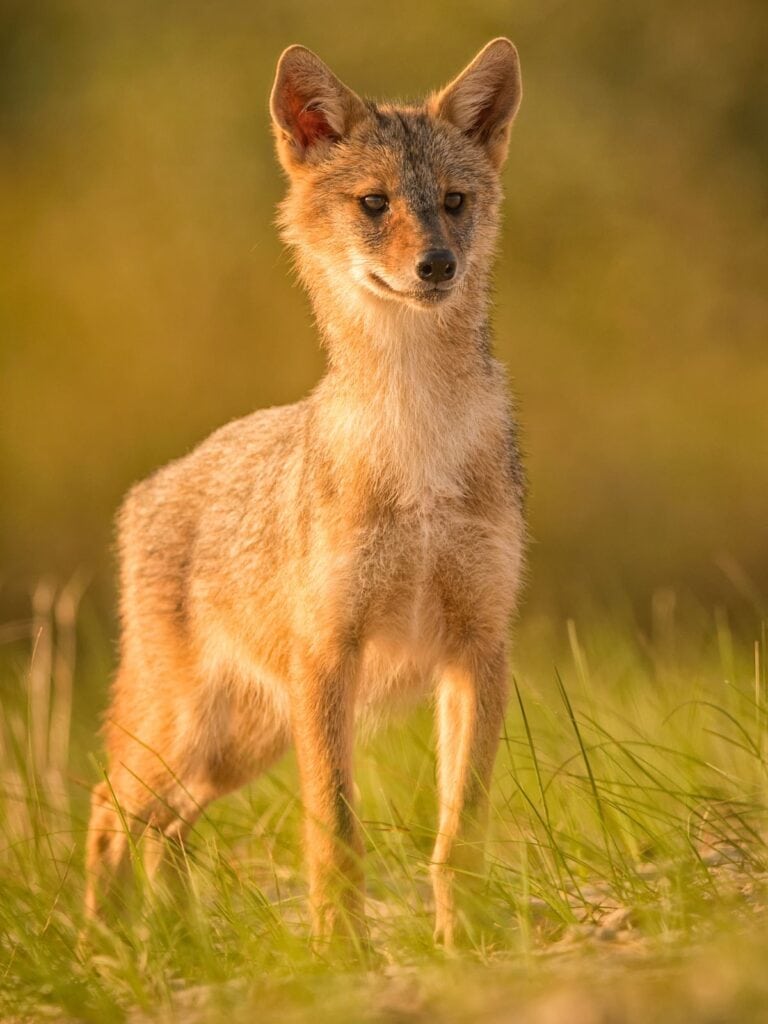
Golden jackals are highly adaptable canids thriving in Bulgaria’s diverse habitats from wetlands to agricultural areas.
These opportunistic animals have yellowish-brown coats and bushy tails.
Smaller than wolves but larger than foxes, golden jackals fill an important ecological niche as scavengers and small predator hunters.
Jackals hunt rodents, birds, and insects while also consuming fruits and scavenging carrion.
They’re known as “nature’s cleaners” for their role in removing dead animals.
Their haunting yips and howls often echo through Bulgarian nights, particularly in rural areas.
Golden jackals have expanded their range across Bulgaria in recent decades, demonstrating remarkable adaptability to human-modified landscapes.
12. Red Fox
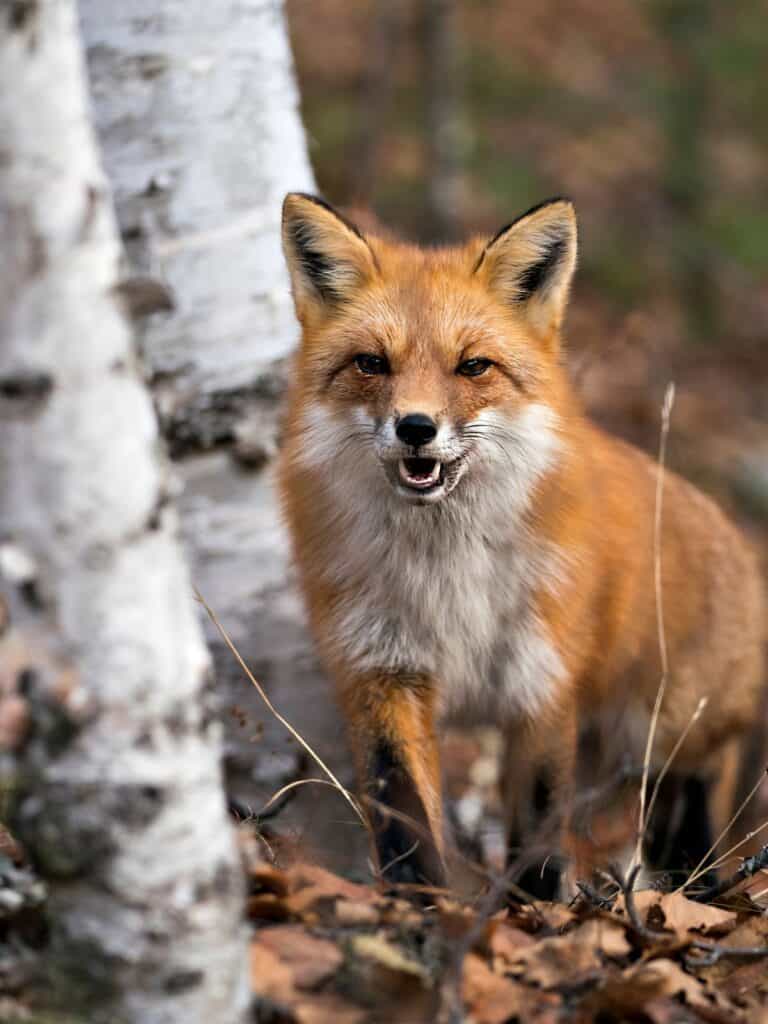
The red fox is Bulgaria’s most commonly encountered wild canid, found in virtually every habitat from mountain forests to city parks.
These intelligent and adaptable predators have distinctive russet-red coats, white-tipped bushy tails, and black legs.
Foxes are opportunistic hunters consuming rodents, birds, insects, fruits, and occasionally human refuse.
Foxes are primarily nocturnal but are sometimes active during daylight hours, especially in areas with minimal human disturbance.
Visitors exploring Vitosha Mountain near Sofia frequently spot foxes.
Their success across diverse habitats demonstrates exceptional adaptability.
Despite their widespread presence, foxes maintain naturally cautious behavior around humans.
13. Mediterranean Monk Seal
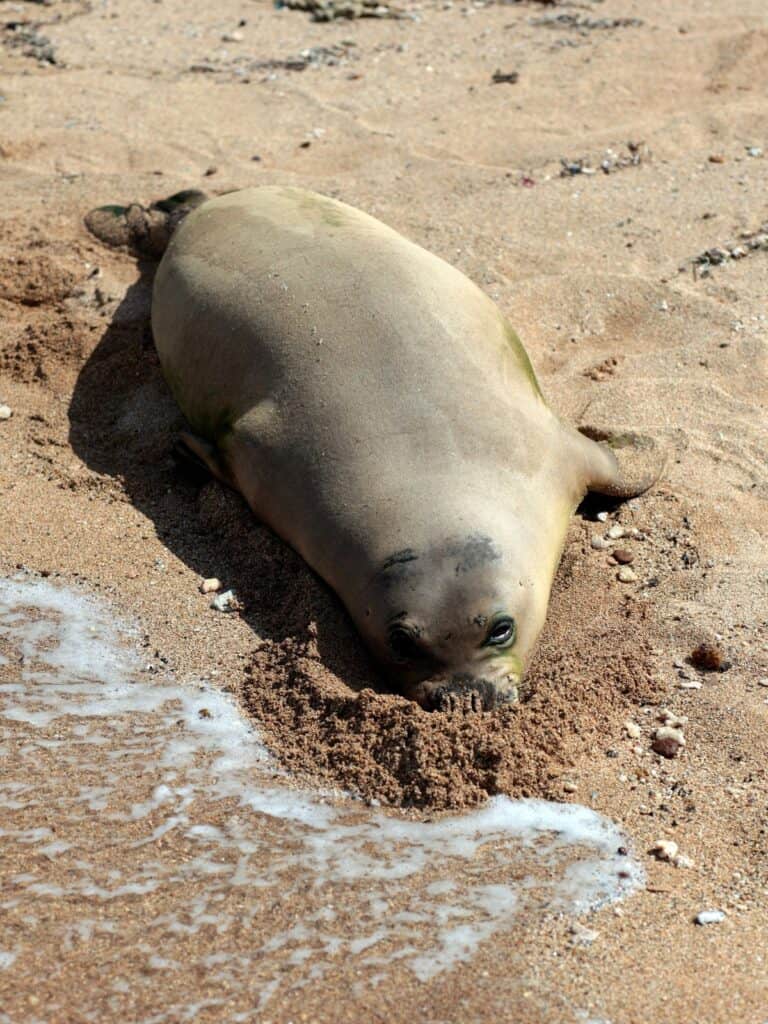
The Mediterranean monk seal is critically endangered, with occasional sightings along Bulgaria’s Black Sea coast near Cape Maslen and Primorsko.
These massive seals can measure up to 14 feet (4.3 meters) long and weigh up to 880 pounds (400 kg).
They’re called “monk seals” due to their solitary, secretive lifestyle.
Monk seals once inhabited Bulgaria’s coast regularly but populations crashed in the 1980s and 1990s due to habitat loss, fishing conflicts, and disturbance.
Individual seals occasionally wander into Bulgarian waters from remaining populations elsewhere in the Black Sea.
Any sighting of this critically endangered species represents an extraordinary wildlife encounter in Europe.
Conservation organizations monitor reported sightings and work to protect potential habitat.
14. Common Dolphin

Common dolphins and bottlenose dolphins inhabit Bulgaria’s Black Sea waters, though populations have declined significantly in recent decades.
These intelligent marine mammals are occasionally spotted from coastal areas and during boat trips.
Dolphins often approach vessels to ride bow waves and perform acrobatic leaps.
Black Sea dolphin populations face threats from pollution, fishing net entanglement, and reduced fish stocks.
Conservation efforts aim to protect critical habitats and reduce human impacts.
Summer months offer the best chances for dolphin sightings along Bulgaria’s Black Sea coast, but you may also see them in places like Greece 🇬🇷
Patient observers scanning the horizon from coastal viewpoints sometimes spot dolphin fins breaking the surface.
15. European Rabbit
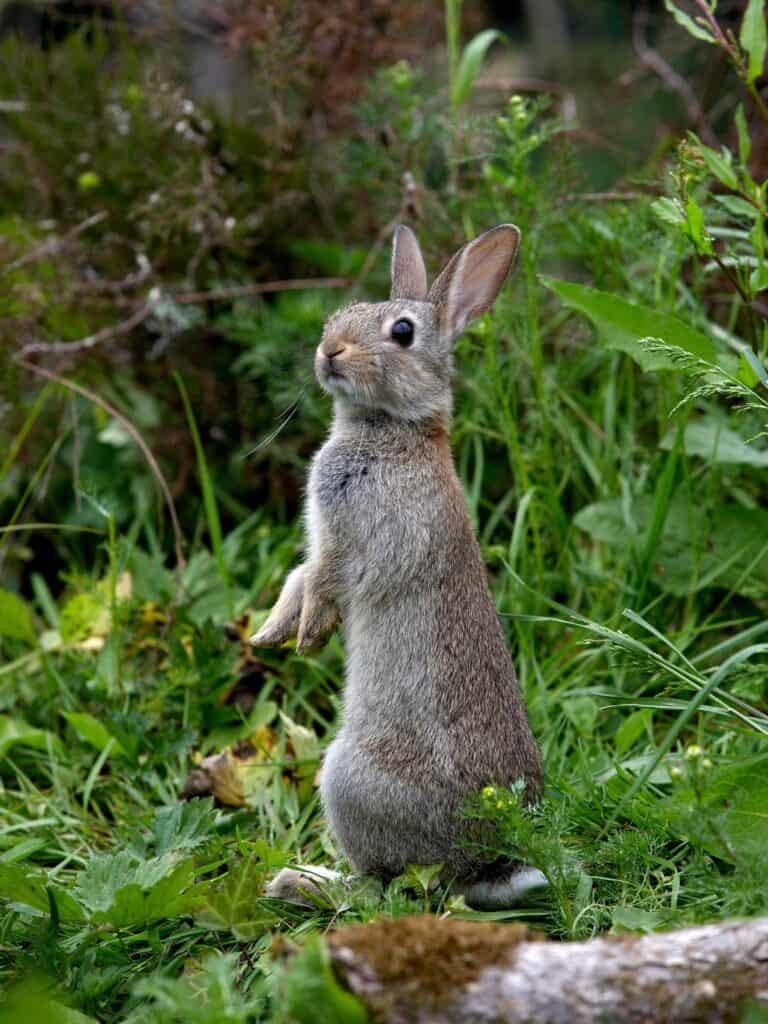
European rabbits are common throughout Bulgaria’s lowlands, thriving in grasslands, agricultural areas, and forest edges.
These small mammals have grayish-brown fur and distinctive long ears.
Unlike hares, rabbits live in underground burrow systems called warrens where they raise their young.
Rabbits are most active during dawn and dusk when they emerge to feed on grasses and plants.
They’re an important prey species for foxes, eagles, and other predators.
Despite hunting pressure and habitat changes, rabbit populations remain stable across much of Bulgaria.
Visitors exploring countryside areas frequently spot these quick-moving animals darting across fields or roadways.