🇮🇹 20 Fascinating Animals in Italy You Might See When You Visit (#14 is So Cute!)

Italy’s dramatic scenery stretches from snow-capped Alps to sun-soaked Mediterranean islands, creating homes for some seriously cool wildlife.
From Apennine wolves to sea turtles, Italian animals represent thousands of years of adapting to this boot-shaped peninsula’s diverse environments.
Explore 20 amazing animals in Italy that show this country is way more than just pasta and ancient ruins.
🐺 1. Apennine Wolf (Italian Wolf)

This unique wolf subspecies only lives in Italy, adapted to Mediterranean mountains and forests over thousands of years.
Current populations exceed 3,000 individuals, showing awesome recovery from near extinction in the 1970s, though they still face threats.
The national animal of Italy, apennine wolves typically weigh 55 to 77 pounds (25-35 kg), which is quite smaller than their northern cousins, the Eurasian wolf.
Italian wolves (aka lupo) hunt wild boar, deer, and occasionally livestock, though better management is reducing conflicts with farm animals.
Packs stay smaller than northern wolves, usually containing just 4 to 6 family members.
Genetic studies show these wolves have been doing their own thing for more than 20,000 years.
Italian wildlife folks consider them a star species proving protection programs actually work.
🐻 2. Marsican Brown Bear
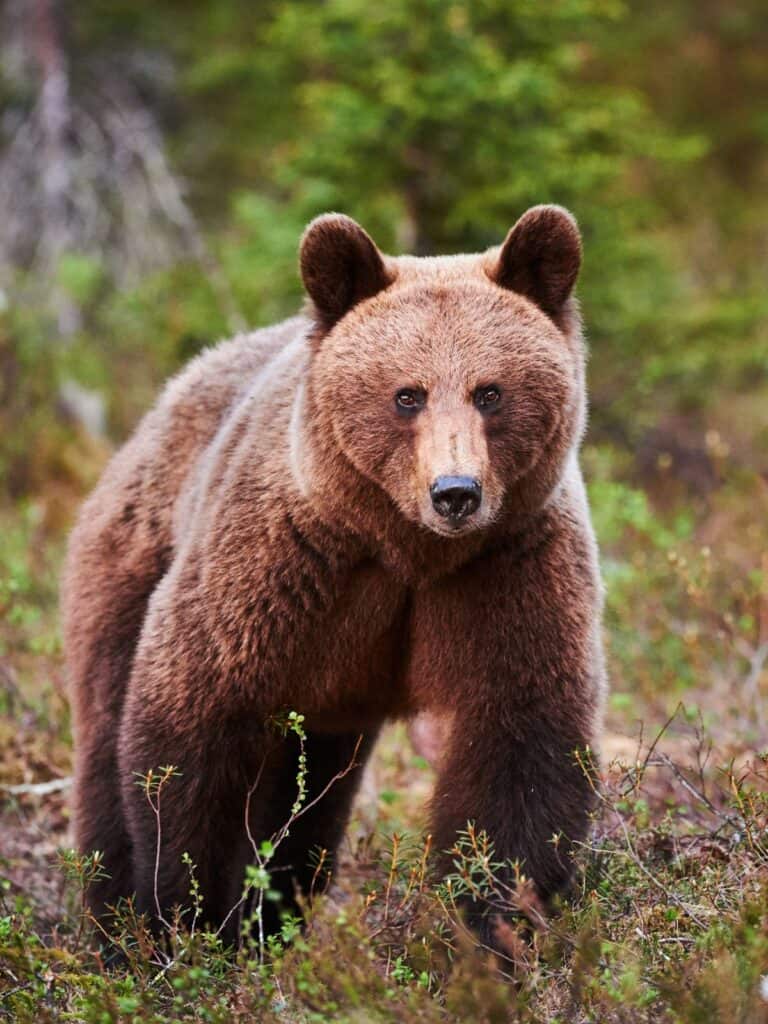
This critically endangered bear subspecies only hangs out in central Apennine mountains, with fewer than 60 left.
Marsican bears are genetically unique and smaller than other European brown bears, weighing up to 440 pounds (200 kg).
They live in just 965 square miles (2,500 km²), one of the tiniest ranges for any bear population anywhere.
These bears eat way more plants than their meat-loving cousins, which actually helps reduce problems with livestock.
Roads, chopped-up habitat, and tiny population numbers seriously threaten their long-term survival.
Wildlife folks are working hard creating corridors and reducing run-ins between bears and people.
Every single bear matters desperately for this special subspecies found nowhere else on Earth.
🦎 3. Italian Wall Lizard

These adaptable little reptiles are crushing it throughout Italy, from ancient Roman ruins to modern city buildings.
Males flash vibrant green or blue colors during breeding season, especially noticeable on their throats.
They can reach lengths of 8 inches (20 cm), spending tons of time sunbathing on warm stones.
Their climbing skills are insane, as they can scale smooth vertical surfaces while hunting bugs 🐜
Females lay multiple batches of eggs yearly, each containing 2 to 10 eggs in protected nooks.
These lizards show impressive loyalty to their tiny territories, often staying in the same spot for years.
Their abundance makes them super important food for birds, snakes, and small mammals across Italian ecosystems.
🐬 4. Bottlenose Dolphin

These super smart animals live in waters all around Italy’s massive coastline and islands.
Mediterranean populations face growing problems from pollution, boat traffic, and fish stocks tanking.
Pods typically contain 10 to 30 dolphins working together using crazy sophisticated hunting tricks.
These ocean mammals can dive more than 1,600 feet (488 m) and hold their breath for up to 8 minutes.
Each dolphin develops its own unique whistle that works like a name within their social crew.
Marine protected areas around Italy help keep critical feeding and baby-raising spots safe.
Sometimes dolphins team up with fishermen, herding fish into nets and getting a share of the catch.
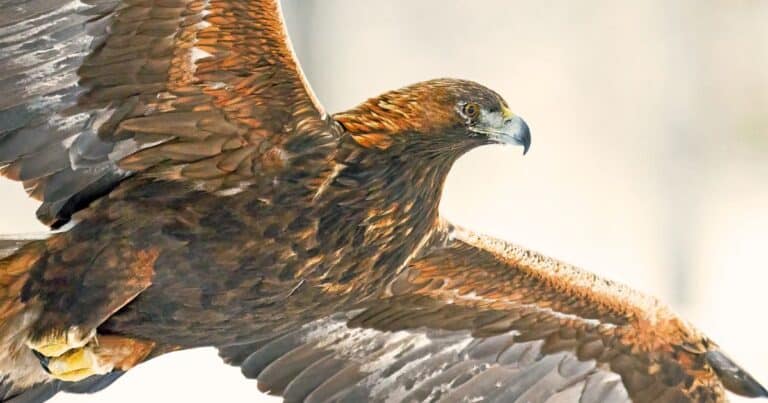
🦅 5. Golden Eagle

These magnificent raptors soar above Italian Alps and Apennines with rock-solid breeding populations.
Wingspans reaching 7.5 feet (2.3 m) let them glide effortlessly on mountain thermals for hours without flapping.
Mated eagles build massive nests on cliff ledges, sometimes using the exact same spot for decades.
Their vision is roughly 8 times sharper than humans, spotting rabbit-sized prey from more than 2 miles (3.2 km) away.
Italian populations number approximately 500 pairs spread throughout mountainous regions like the Dolomites.
🐗 6. Wild Boar

Italy has absolutely massive wild boar populations, with numbers exceeding 1 million individuals nationwide.
These adaptable piggies thrive everywhere from dense forests to farm fields and even city outskirts.
Males can weigh more than 400 pounds (181 kg), using curved tusks during epic territorial battles.
Powerful snouts bulldoze through soil for tubers, acorns, bugs, small animals, and farm crops.
Females crank out large litters averaging 6 to 8 striped piglets, sometimes even breeding twice a year.
Crop damage and car crashes make boar management super controversial throughout the Italian countryside.
Hunting provides the main population control, with more than 400,000 boar taken annually.
🦎 7. Italian Cave Salamander

This endemic amphibian only lives in Italy, hanging out in limestone caves and shady rocky spots throughout central and southern areas.
Reddish-orange coloring makes them impossible to miss, though they stay hidden during daylight.
Unlike true cave critters, they actually venture outside at night to hunt small creepy-crawlies.
They can live more than 15 years, which is crazy long for salamanders their size.
Females lay eggs on moist cave walls or under rocks near water.
Found nowhere else on the planet except Italy 🇮🇹 they represent unique Italian biodiversity that needs protecting.
Habitat messing-around and climate change threaten populations in their limited range.
🦇 8. Greater Horseshoe Bat

These distinctive bats roost in caves, abandoned buildings, and tunnels throughout Italy.
Their horseshoe-shaped nose leaves 🧲 emit ultrasonic calls used for sophisticated echolocation while hunting.
They can consume more than 3,000 insects nightly during summer, providing valuable pest control.
Italian populations represent important refuges for this declining European species.
Hibernation requires specific cave conditions with stable temperatures and high humidity.
Wingspan reaches 14 inches (35 cm), allowing agile flight through cluttered forest environments.
Conservation focuses on protecting roosting sites from disturbance and maintaining insect-rich habitats.
🐢 9. Loggerhead Sea Turtle

Mediterranean populations nest primarily on Italian beaches, though numbers remain critically low.
These ancient mariners can weigh more than 350 pounds (159 kg) with shells exceeding 3 feet (0.9 m) long.
Females return to natal beaches for nesting, sometimes traveling more than 7,500 miles (12,000 km).
Each nest contains approximately 120 eggs buried in sand, though many are lost to predation or erosion.
Light pollution, beach development, and fishing bycatch threaten Italian nesting populations.
Conservation programs protect nesting beaches and monitor hatchling success rates.
These animals in Italy face uncertain futures without continued protection and habitat restoration.
🦅 10. Bearded Vulture

Reintroduction programs have successfully brought these spectacular vultures back to Italian Alps after being gone for a century.
They specialize in eating bones 🦴 dropping them from heights exceeding 260 feet (80 m) to crack them open for marrow.
Wingspans approaching 9 feet (2.7 m) let them glide effortlessly while searching for dead animals.
Their orange-red feathers come from deliberately bathing in iron-rich mud, though scientists still debate why they do this.
Mated vultures stay together for life, raising a single chick every two years.
Current Italian populations exceed 20 birds, slowly expanding from where they were released.
Their presence shows the mountain ecosystems are healthy and supporting diverse wildlife communities.
🪱 11. Mediterranean Moray Eel

These powerful predators inhabit rocky reefs and caves throughout Italian coastal waters.
They can reach lengths exceeding 5 feet (1.5 m), with muscular bodies adapted for life in crevices.
Mediterranean moray eels possess two sets of jaws, including pharyngeal jaws that shoot forward to grab prey.
Despite fearsome appearance, they’re generally shy unless provoked or hand-fed by divers.
Nocturnal hunters, they emerge after dark to hunt octopus, fish, and crustaceans.
Their excellent sense of smell compensates for relatively poor vision in murky water.
These moray eels play important roles in Mediterranean reef ecosystems as top predators.
🦎 12. Italian Crested Newt
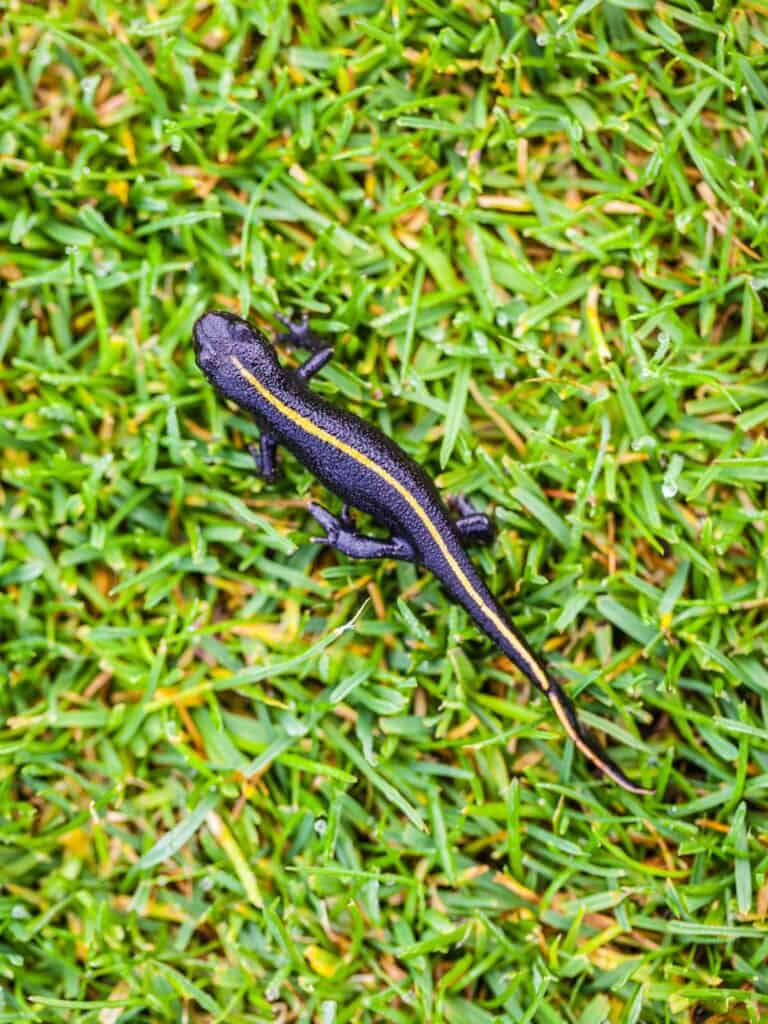
Males develop spectacular crests during breeding season, displaying jagged dorsal ridges.
These large newts can reach 7 inches (18 cm), making them among Europe’s biggest.
They inhabit ponds, ditches, and slow-moving streams for breeding, spending much time terrestrial.
Females lay eggs individually on aquatic plant leaves 🌱 carefully folding foliage around each egg.
Larvae develop over several months before metamorphosing into terrestrial juveniles.
Adults can live more than 15 years, showing strong site fidelity to breeding ponds.
Habitat loss through pond drainage and pollution threatens populations throughout their Italian range.
🦅 13. Bonelli’s Eagle

This medium-sized eagle inhabits rocky Mediterranean landscapes across southern Italy and Sicily.
Populations have declined dramatically, with fewer than 40 breeding pairs remaining in Italy.
They hunt rabbits, game birds, and occasionally small mammals using spectacular stooping attacks.
Breeding pairs require large territories with suitable cliff faces for nesting and abundant prey.
Wingspan reaches 6 feet (1.8 m), smaller than golden eagles but equally impressive hunters.
Electrocution on power lines and persecution pose major threats to remaining populations.
Conservation efforts include modifying power infrastructure and protecting nesting sites from disturbance.
🐈 14. European Wildcat

These elusive felines inhabit forested areas throughout Italy, though rarely seen due to nocturnal habits.
Larger and more robust than domestic cats, they can weigh up to 18 pounds (8 kg).
Distinctive thick, bushy tails with black rings and blunt tips distinguish them from feral domestic cats.
Solitary hunters, they prey on rodents, rabbits, birds, and occasionally reptiles and amphibians.
Hybridization with feral domestic cats threatens genetic purity of wild populations.
Males maintain territories exceeding 1.5 square miles (4 km²), marked with scent.
Forest conservation and controlling feral cat populations help protect these native Italian predators.
🦎 15. Spectacled Salamander
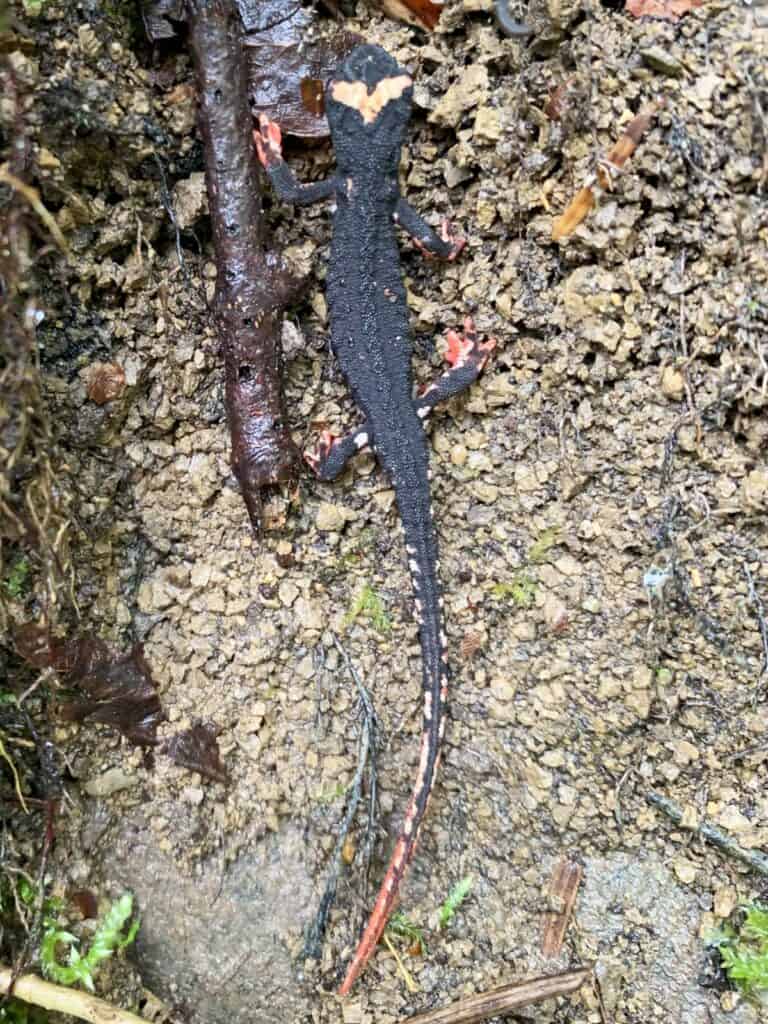
Like the name says, this small endemic salamander displays distinctive eye patches resemble spectacles (aka glasses 👓).
Found only in central and southern Italy, they inhabit moist forests and rocky areas.
Adults measure just 4 to 5 inches (10-13 cm), with reddish-brown coloring.
They’re entirely terrestrial, laying eggs in moist locations rather than water.
Nocturnal habits keep them hidden, emerging on humid nights to hunt small invertebrates.
Limited distribution makes them vulnerable to habitat loss and climate change.
Protected status helps preserve remaining populations of this unique Italian endemic species.
🪱 16. European Eel

These remarkable fish undertake one of nature’s most impressive migrations, breeding in the Sargasso Sea.
Young eels arrive at Italian coasts as transparent glass eels, then migrate upstream into rivers.
They can live more than 20 years in freshwater before returning to sea for spawning.
Adult eels can reach lengths exceeding 3 feet (0.9 m) and adapt to varied aquatic habitats.
Their populations have declined more than 95% over recent decades due to multiple threats 😢
Dams, pollution, overfishing, and parasites have devastated once-abundant European eel populations.
These animals in Italy now face critical endangerment requiring urgent conservation action.
🕊️ 17. Egyptian Vulture

These small vultures display distinctive yellow faces and white plumage with black wing tips.
Italian populations have declined dramatically, with fewer than 10 pairs remaining in the wild today.
One of the animals that problem-solve, they famously use stones to crack open eggs that are too large for them to swallow.
Wingspan reaches 5.5 feet (1.7 m), smaller than other European vultures.
These opportunistic scavengers feed on carrion (decaying flesh), insects, and sometimes break into nests.
Poisoning, electrocution, and habitat loss have devastated Mediterranean populations.
Conservation programs include anti-poisoning campaigns and protecting nesting cliffs.
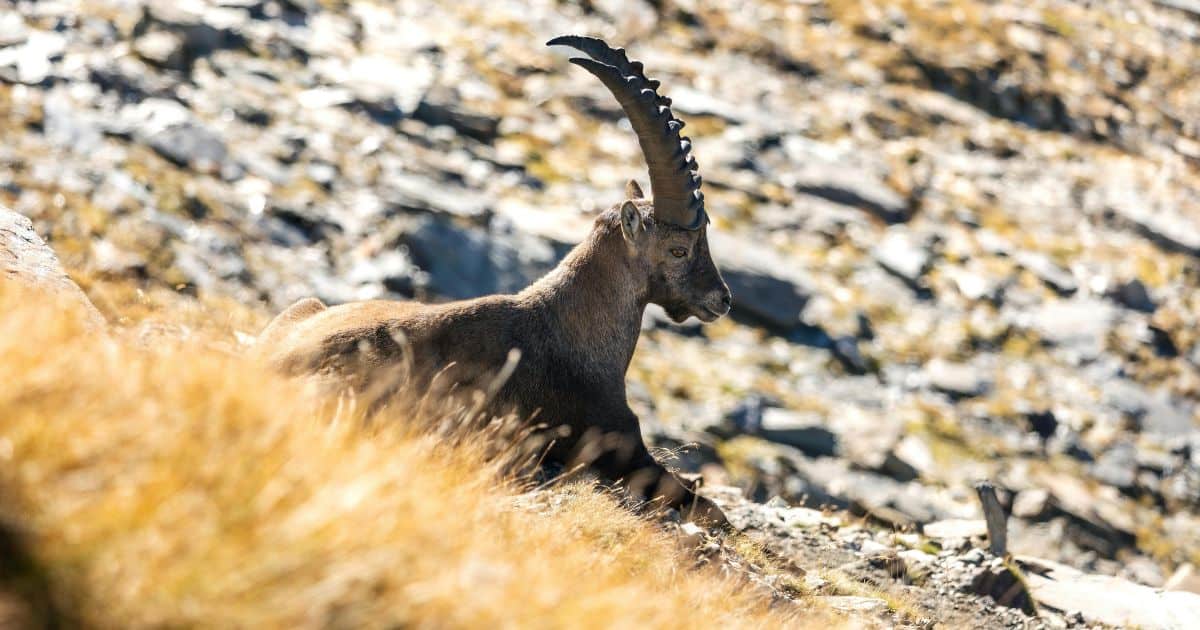
🐐 18. Alpine Ibex
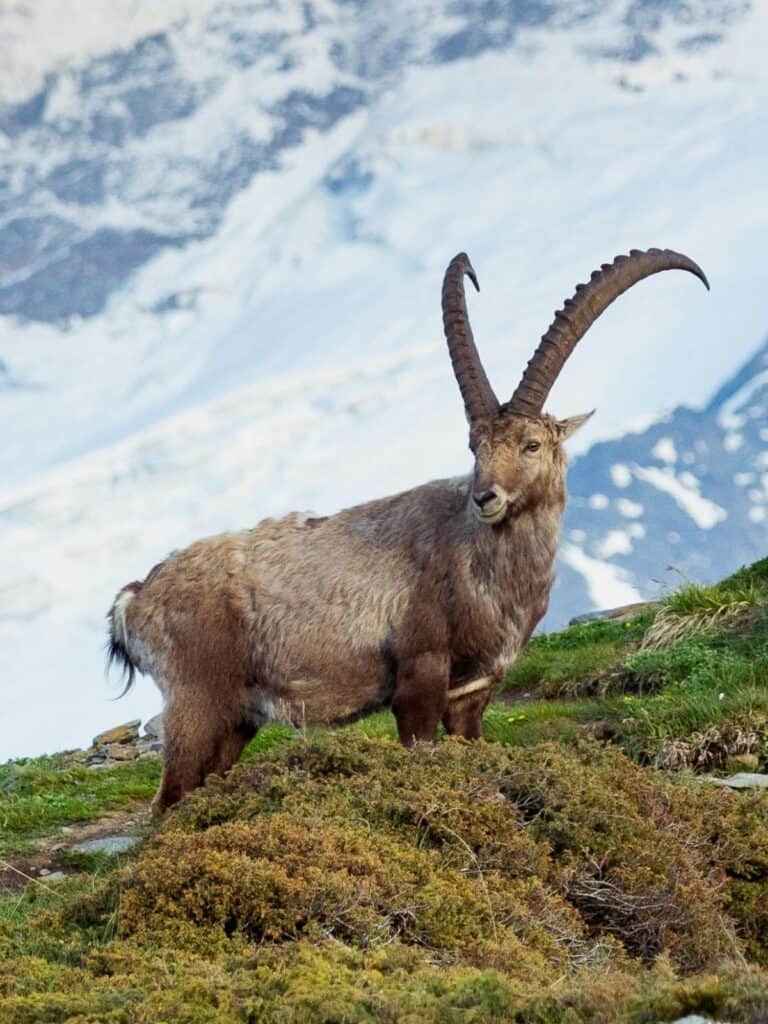
These magnificent wild goats demonstrate extraordinary climbing abilities on near-vertical Alpine cliffs.
Males grow impressive curved horns exceeding 3 feet (0.9 m), used during spectacular rutting battles.
Italian populations were reestablished through reintroduction after being hunted to extinction.
They inhabit elevations between 6,000 and 11,500 feet (1,800-3,500 m), migrating seasonally.
Specialized hooves with hard edges and soft centers provide incredible traction on ice and rock.
Current populations exceed 15,000 individuals, representing conservation success.
Winter survival depends on finding wind-swept slopes where vegetation remains accessible.
🐸 19. Italian Tree Frog
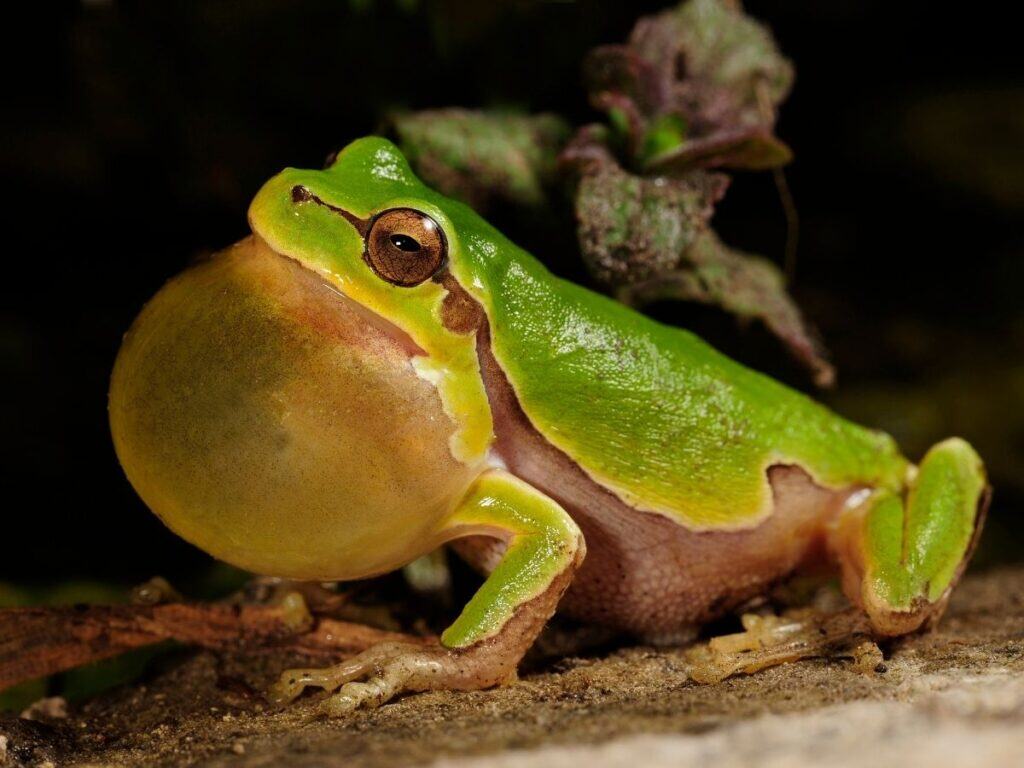
This small bright green frog inhabits wetlands, ponds, and vegetated areas throughout Italy.
Males produce loud, distinctive calls during spring breeding season from aquatic vegetation.
Adhesive toe pads allow them to climb vegetation and even smooth surfaces.
They can change color slightly from bright green to brownish depending on temperature and surroundings.
Females lay egg masses containing up to 1,000 eggs 🥚 attached to aquatic plants.
Habitat loss through wetland drainage significantly impacts populations across their range.
These frogs serve as indicators of healthy wetland ecosystems throughout Italian lowlands.
🦌 20. Red Deer

Italy’s mountains and forests support substantial red deer populations across diverse habitats.
Males grow impressive antlers annually, with size indicating age and nutritional status.
Autumn rutting season features spectacular roaring contests and physical battles for breeding rights.
Stags can weigh up to 530 pounds (240 kg), significantly larger than females.
These powerful vocalizations carry more than 2 miles (3.2 km) through mountain valleys.
Sustainable hunting programs manage populations while supporting rural economies.
Red deer play important ecological roles as large herbivores shaping forest vegetation dynamics.
Final Thoughts on the Coolest Animals in Italy You Might See
From Alpine peaks to Mediterranean shores, Italian wildlife shows amazing resilience and diversity across super varied landscapes.
Conservation wins with wolves and ibex prove that dedicated protection efforts can totally bring back endangered species.
The animals in Italy remind us that even densely populated countries can support thriving wildlife when conservation gets priority and community backing.