🇹🇷 20 Remarkable Animals in Turkey You Might See When You Visit (#8 is So Weird!)

Turkey’s unique spot spanning two continents creates awesome biodiversity where European, Asian, and Middle Eastern wildlife all meet up.
From Mediterranean beaches to high Anatolian plateaus in the mountains, this crossroads country has everything from wild sheep to sea turtles.
Discover 20 cool animals in Turkey below, all of them thriving in one of the world’s most biogeographically interesting spots.
🐺 1. Gray Wolf

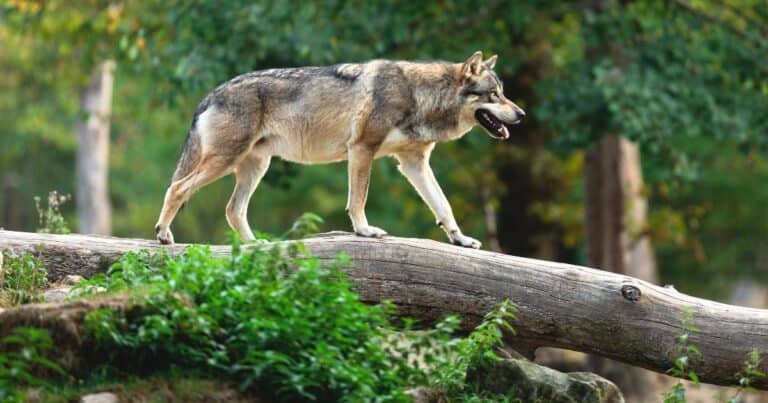
Turkey supports one of the Middle East’s largest wolf populations, with more than 7,000 individuals.
These apex predators inhabit diverse environments from mountains to forests and steppes.
Turkish wolves typically weigh 50 to 110 pounds (23-50 kg), varying by region and prey availability.
Pack sizes remain relatively small, usually containing 4 to 8 related individuals.
They hunt wild boar, deer, hares, and occasionally livestock, creating ongoing conflicts.
Cultural attitudes toward wolves vary regionally between tolerance and persecution.
These animals in Turkey play crucial roles controlling herbivore populations and maintaining ecosystem balance.
🐻 2. Brown Bear

Approximately 5,000 brown bears roam Turkey’s mountains and forests, representing significant regional populations.
Turkish bears typically weigh 220 to 550 pounds (100-250 kg), smaller than their northern relatives.
They inhabit mountainous regions with dense forest cover, avoiding human settlements when possible.
Omnivorous diets emphasize plant matter including acorns, berries, grasses, and occasionally livestock.
Females give birth during winter hibernation to cubs weighing barely 1 pound (0.45 kg).
Habitat fragmentation and human encroachment create increasing conservation challenges.
Protected areas in eastern Turkey provide crucial refuges for sustainable populations.
🐆 3. Anatolian Leopard
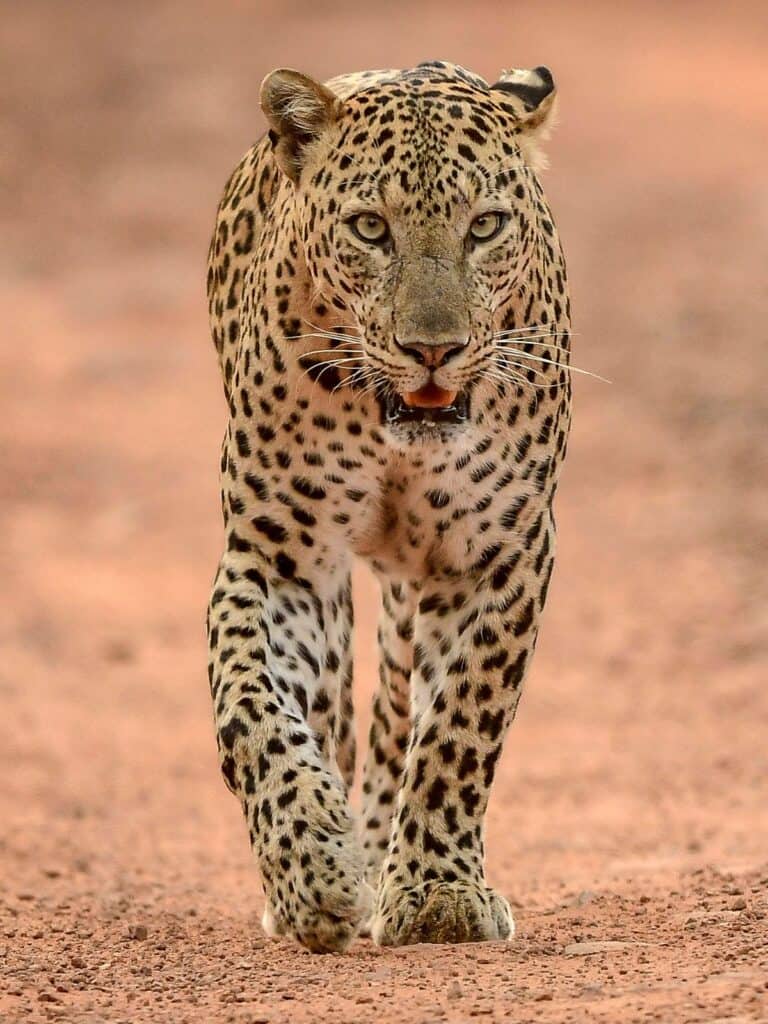
This critically endangered subspecies survives in tiny, isolated populations in southeastern Turkey.
Fewer than 50 individuals likely remain, making every leopard critically important.
Anatolian leopards (aka Persian leopards or Caucasian leopards) typically weigh 60 to 150 pounds (27-68 kg), and are well-adapted to rugged mountain terrain.
Nocturnal and extremely elusive, they hunt wild goats, hares, and occasionally domestic animals like pet cats and dogs.
Though they’re almost never seen by humans, conflict with herders and habitat loss drive their population decline.
Turkish wildlife authorities work to protect remaining habitat and reduce human-leopard conflicts.
🐢 4. Loggerhead Sea Turtle

Turkey hosts critical nesting beaches for Mediterranean loggerhead populations along its southern coasts.
Adults can weigh more than 350 pounds (159 kg) with shells exceeding 3 feet (0.9 m) long.
Females return to Turkish beaches where they hatched, sometimes decades later.
Each nest contains approximately 120 eggs buried deep in warm beach sand.
Beach development, light pollution, and fishing bycatch threaten nesting success.
Conservation programs protect major nesting sites including Dalyan and Patara beaches.
Volunteers monitor nests and guide hatchlings safely to sea during emergence.
🦅 5. Golden Eagle

These powerful raptors soar above Turkish mountains, maintaining stable breeding populations.
Wingspans reaching 7.5 feet (2.3 m) allow effortless soaring on thermal currents for hours.
Breeding pairs construct massive stick nests on cliff ledges throughout mountainous regions.
Their exceptional vision spots rabbit-sized prey from more than 2 miles (3.2 km) away.
They hunt hares, ground squirrels, game birds, and occasionally, even young golden eagles.
Turkish populations remain healthy compared to declining numbers of golden eagles elsewhere in Europe.
Protection from poisoning and persecution has allowed populations to thrive.
🐗 6. Wild Boar

Turkey supports massive wild boar populations, with numbers approaching 1 million individuals.
These adaptable omnivores thrive throughout forests, agricultural areas, and even near cities.
Besides Turkey, wild boar can be found in countries across Europe including Italy 🇮🇹, Spain 🇪🇸, Slovenia 🇸🇮, France 🇫🇷, Albania 🇦🇱, Bulgaria 🇧🇬, and more.
Males can weigh more than 440 pounds (200 kg), using sharp tusks during breeding battles.
Powerful snouts root through soil for tubers, acorns, insects, and small animals.
Females produce litters averaging 5 to 8 striped piglets, sometimes breeding twice annually.
Crop damage creates significant conflicts with agricultural interests nationwide.
Hunting provides the primary population control method throughout Turkish countryside.
🪱 7. European Glass Lizard

These legless lizards resemble snakes, but are actually lizards capable of blinking with eyelids.
They can reach lengths exceeding 4 feet (1.2 m), making them Europe’s longest lizards.
When threatened, their tails break off and continue wriggling to distract predators.
Despite snake-like appearance, the European glass lizard (aka European legless lizard) lacks the flexibility and jaw structure of true serpents.
Glass lizards inhabit grasslands, scrublands, and open forests throughout Turkey, feeding on snails, insects, spiders, and occasionally small vertebrates.
Their presence indicates healthy ecosystems supporting diverse invertebrate communities.
🦇 8. Greater Horseshoe Bat

Turkey’s extensive cave systems provide crucial habitat for this distinctive bat species.
The bat’s horseshoe-shaped nose 🧲 emits ultrasonic calls for sophisticated echolocation while hunting.
They can consume more than 4,000 insects nightly during peak summer feeding periods.
Turkish populations represent important refuges for this declining European species.
Hibernation sites require specific temperature and humidity conditions found in particular caves.
Wingspan reaches 14 inches (35 cm), allowing agile flight through cluttered environments.
Turkey’s cave tourism industry and urban development threaten critical roosting sites throughout the country.
🐬 9. Bottlenose Dolphin

These fun-loving mammals inhabit Turkish waters in the Mediterranean Sea, Aegean Sea, and Black Sea.
Pods typically contain 10 to 30 individuals cooperating in sophisticated hunting strategies.
They can dive more than 1,600 feet (488 m), hold their breath for up to eight minutes, and even recognize themselves in a mirror.
Each dolphin develops unique signature whistles that function like a name or fingerprint that others use to identify different dolphins.
Dolphins also demonstrate remarkable intelligence and sometimes interact with fishing boats.
Pollution, boat traffic, and declining fish stocks threaten coastal populations, though protected marine areas help safeguard critical feeding and breeding areas.
🐦⬛ 10. Northern Bald Ibis
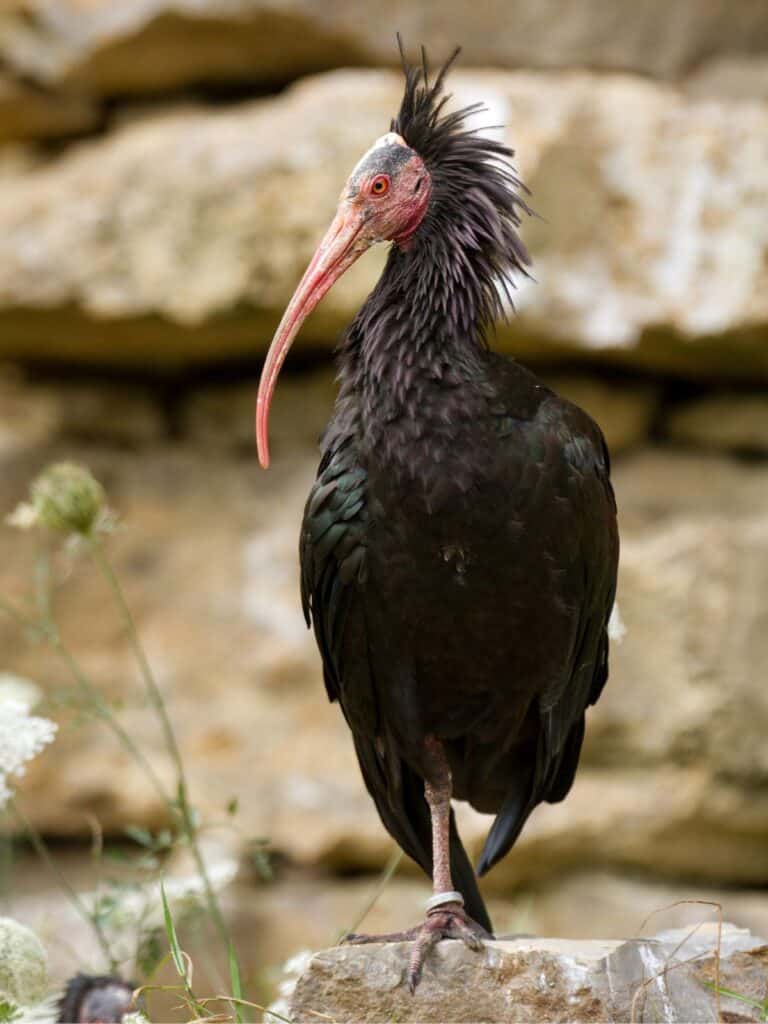
This critically endangered bird survives in tiny wild populations, with Turkey hosting breeding attempts.
Adults stand 28 to 31 inches (70-80 cm) tall with distinctive bare red heads.
Historical populations existed throughout southern Europe and Middle East before catastrophic declines.
They probe soil with long curved bills searching for insects and small invertebrates.
Reintroduction programs attempt to establish new Turkish populations using captive-bred birds.
Fewer than 700 individuals survive globally, making conservation efforts desperately urgent.
These animals in Turkey represent both conservation challenges and potential recovery opportunities.
🦎 11. Caucasian Agama
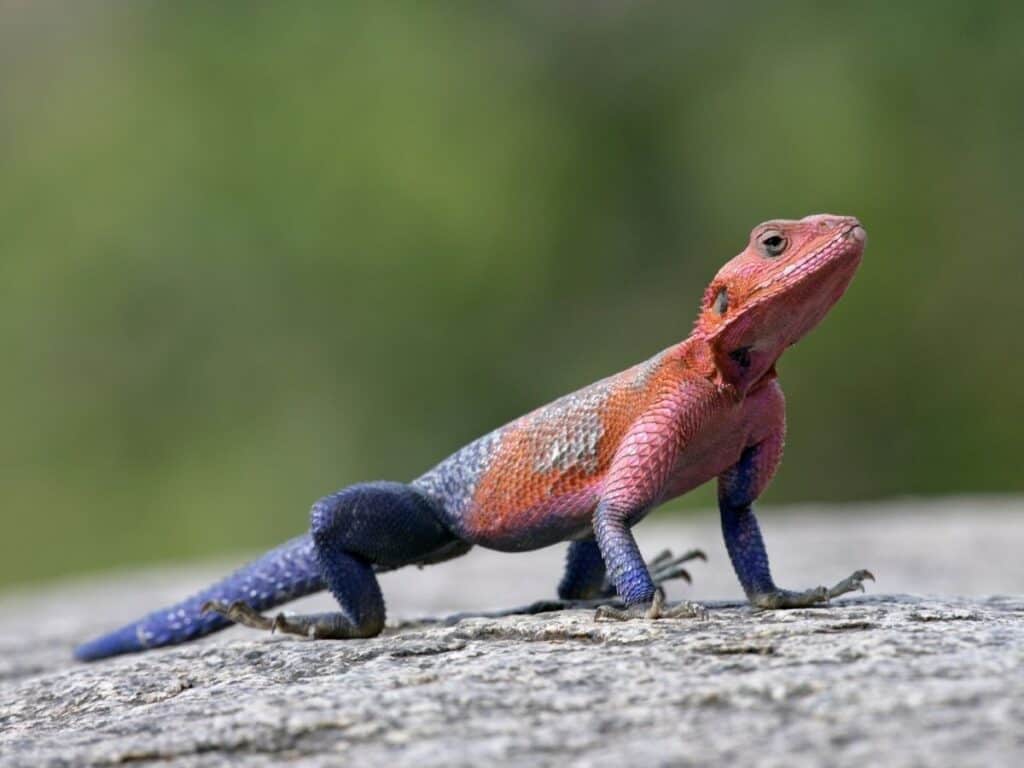
These colorful lizards become especially vibrant during breeding season when males develop intense orange, red, and blue coloring.
They can reach lengths of 12 inches (30 cm), inhabiting rocky areas and stone walls.
Excellent climbers, they bask on sun-warmed rocks while watching for insect prey.
When threatened, they flatten their bodies and change color to camouflage with their surroundings.
These agamas lizards inhabit mountainous regions throughout eastern Turkey and the Caucasus.
Their presence indicates healthy rocky habitats supporting diverse insect populations.
🐟 12. Pearl Mullet (Lake Van Fish)
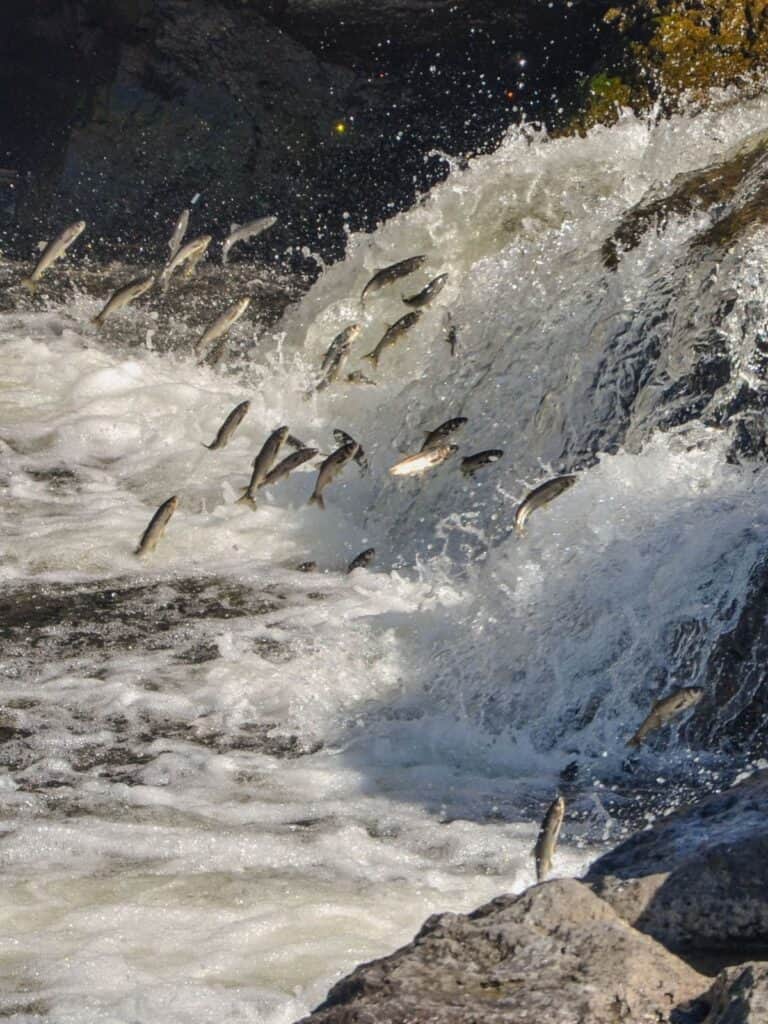
The pearl mullet fish is an endemic species that exists only in Turkey’s Lake Van, adapted to highly alkaline waters.
They can reach lengths of 14 inches (35 cm) in the lake’s unique chemical conditions.
Lake Van ranks among Earth’s most alkaline large lakes, challenging most fish species.
These fish migrate into tributary streams to spawn in freshwater that’s less alkaline (or, less acidic).
The pearl mullet play important roles in local economy and culture around Turkey’s Lake Van area.
Pollution and water level changes threaten this unique endemic population of fish.
Lake van fish conservation efforts focus on maintaining water quality and protecting spawning streams.
🐦 13. Egyptian Vulture

These distinctive vultures display white plumage with black flight feathers and yellow faces.
One of the animals that solve problems, they’re famous for using stones as tools to crack open eggs too large to swallow.
Their wingspan reaches 5.5 feet (1.7 m), which is smaller than other species of European vultures.
Turkish populations represent important breeding areas for this declining species.
Like all vultures, this scavenger feeds on carrion (decaying animal flesh), as well as insects, and occasionally, they raid nests for eggs 🪺
Poisoning, electrocution, and habitat loss have devastated Mediterranean populations of the Egyptian vulture (aka white scavenger vulture).
Conservation programs include anti-poisoning campaigns and protecting nesting cliffs.
🦎 14. Turkish Gecko
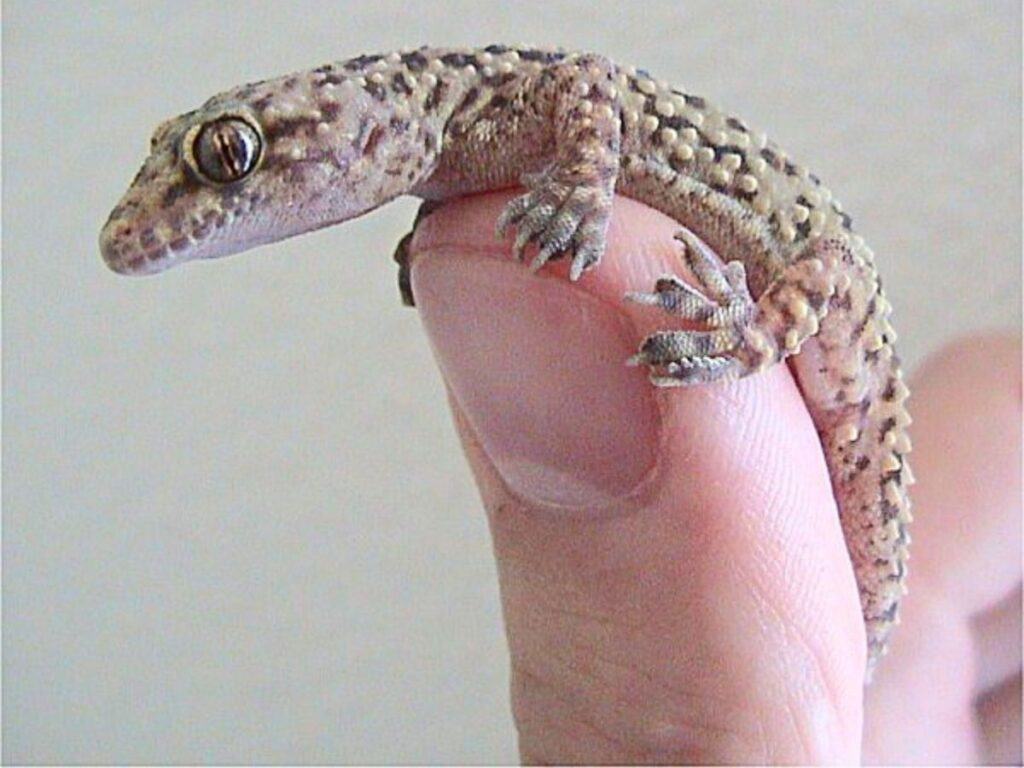
This small gecko, also called the Mediterranean house gecko, is endemic to Turkey, meaning that it’s found nowhere else on Earth.
They measure just 3 to 4 inches (8-10 cm) long, and inhabit rocky areas and buildings.
Adhesive toe pads allow them to climb smooth vertical surfaces and walk upside-down.
Nocturnal hunters, Turkish geckos feed on small insects, spiders, and other arthropods (invertebrates with jointed legs).
They communicate through quiet chirping sounds, especially during breeding season.
Limited distribution makes them vulnerable to habitat loss and development.
Protected status helps preserve populations of this unique Turkish endemic species.
🐏 15. Anatolian Mouflon

This wild sheep subspecies of mouflon inhabits mountainous regions throughout central and eastern Turkey.
Agile climbers, they navigate steep rocky terrain where predators struggle to follow, grazing on grasses, herbs, and shrubs within the mountainous terrain ⛰️
They typically weigh 90 to 220 pounds (41-100 kg), with males considerably larger in size than females.
Males also grow impressive curved horns that can exceed 30 inches (76 cm) in length.
Anatolian mouflon herds contain females and young, while mature males remain solitary outside breeding season.
Hunting pressure and habitat loss affect populations in some regions.
🦇 16. Mediterranean Horseshoe Bat
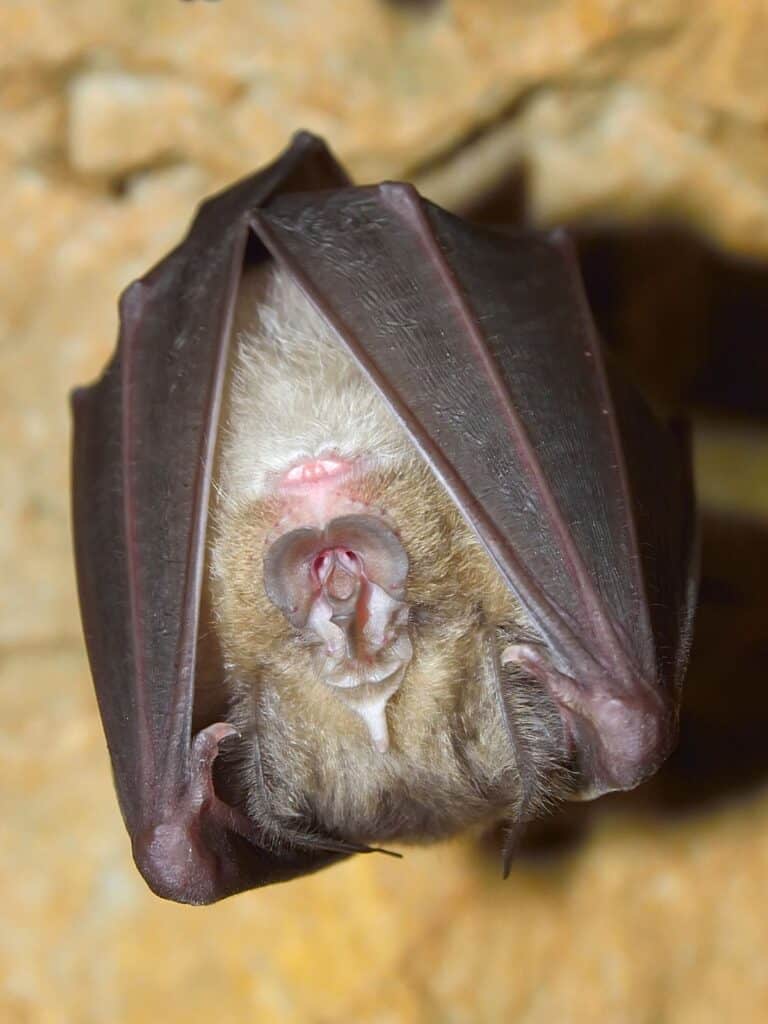
This medium-sized bat roosts in caves and old buildings throughout southern Turkey.
As you might have guessed, their distinctive horseshoe-shaped nose leaves give them their common name.
These funny-looking bats hunt moths and beetles using sophisticated echolocation to “see” in dark, cluttered environments.
The Mediterranean horseshoe bat’s wingspan reaches 12 inches (30 cm), allowing agile maneuvering through vegetation.
Summer maternity colonies can number hundreds of females, which raise their young together.
They provide valuable pest control services in agricultural areas, though cave disturbance and habitat loss threaten roosting sites.
🐍 17. Ottoman Viper
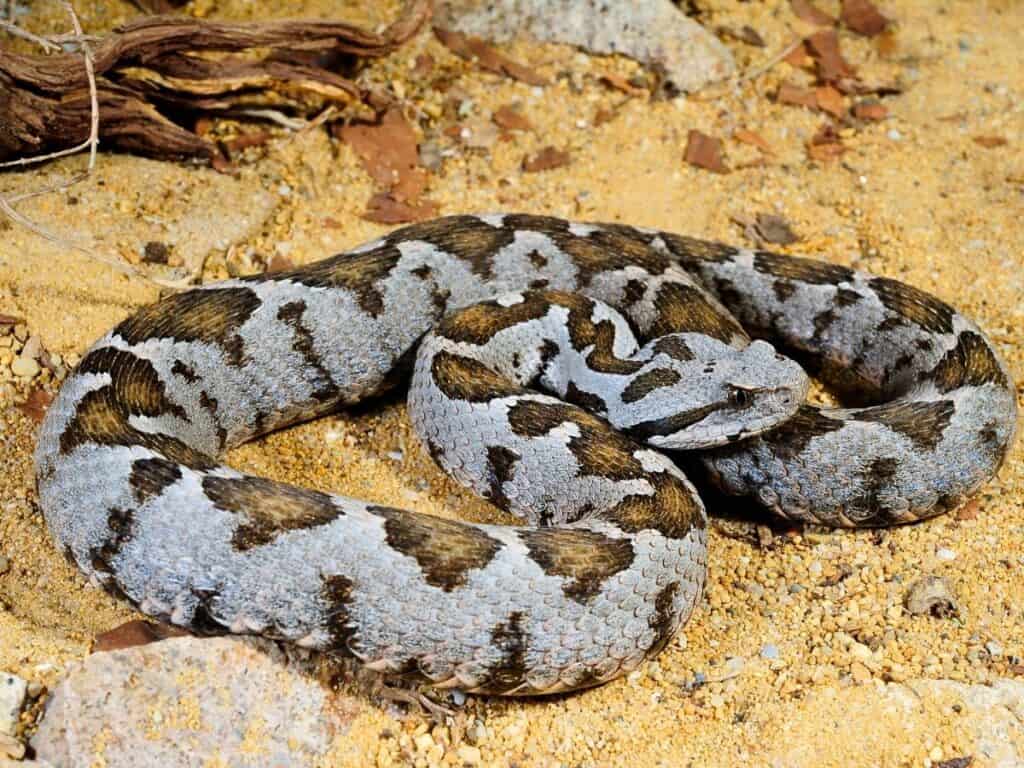
The Ottoman viper (aka rock viper or coastal viper) is a venomous snake that’s endemic to Turkey and surrounding regions.
They typically measure 24 to 36 inches (60-90 cm) long with thick, muscular bodies.
Variable coloring includes gray, brown, or reddish patterns providing excellent camouflage.
Heat-sensing pits allow them to detect warm-blooded prey in darkness, like the small mammals, lizards, and ground-nesting birds that they hunt.
The Ottoman viper snake’s venom contains hemotoxins, though fatal bites remain rare in humans thanks to relatively-easy medical treatment.
These snakes prefer rocky hillsides and scrubland throughout Turkish countryside.
🦜 18. White-Throated Kingfisher
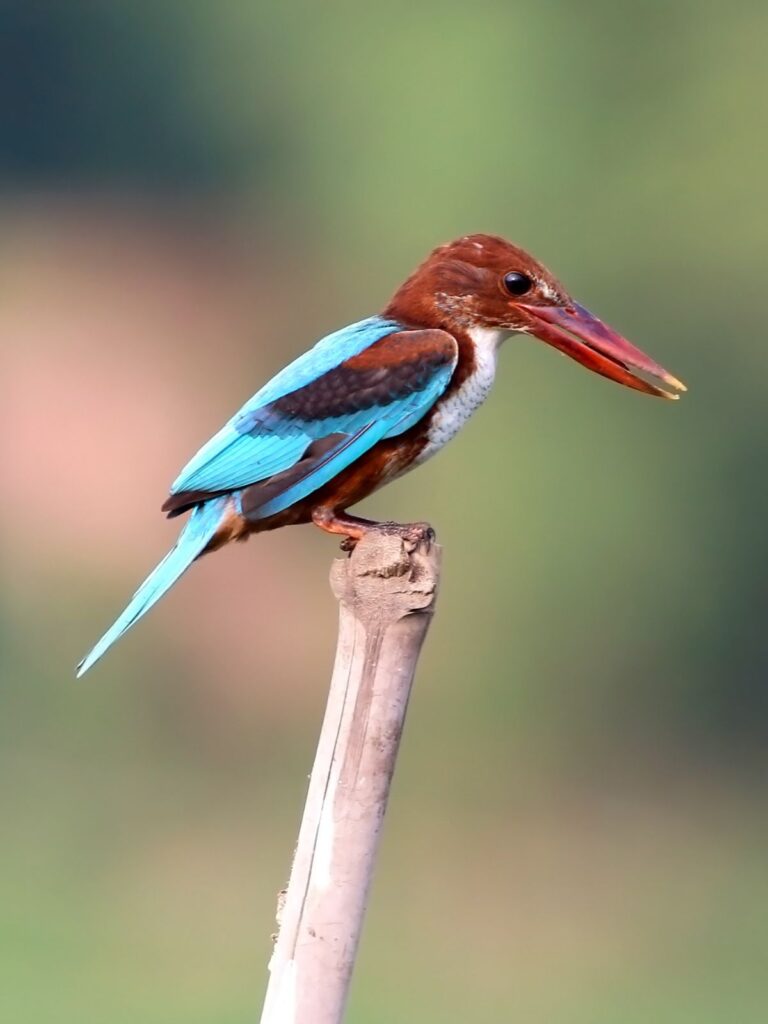
These colorful birds inhabits wetlands, coasts, and rivers throughout Turkey.
Bright turquoise plumage contrasts with chocolate brown head and white throat patch.
Despite the words “king” and “fisher” in their name, they feed on diverse prey including insects, lizards, and of course, fish.
They nest in burrows excavated into riverbanks or earth mounds where their loud, harsh calls announce their presence in these territories along the waterways.
These adaptable birds in Turkey have colonized both agricultural areas and urban parks.
Their presence indicates healthy aquatic ecosystems supporting diverse prey communities.
🐟 19. Garra Rufa (Doctor Fish)
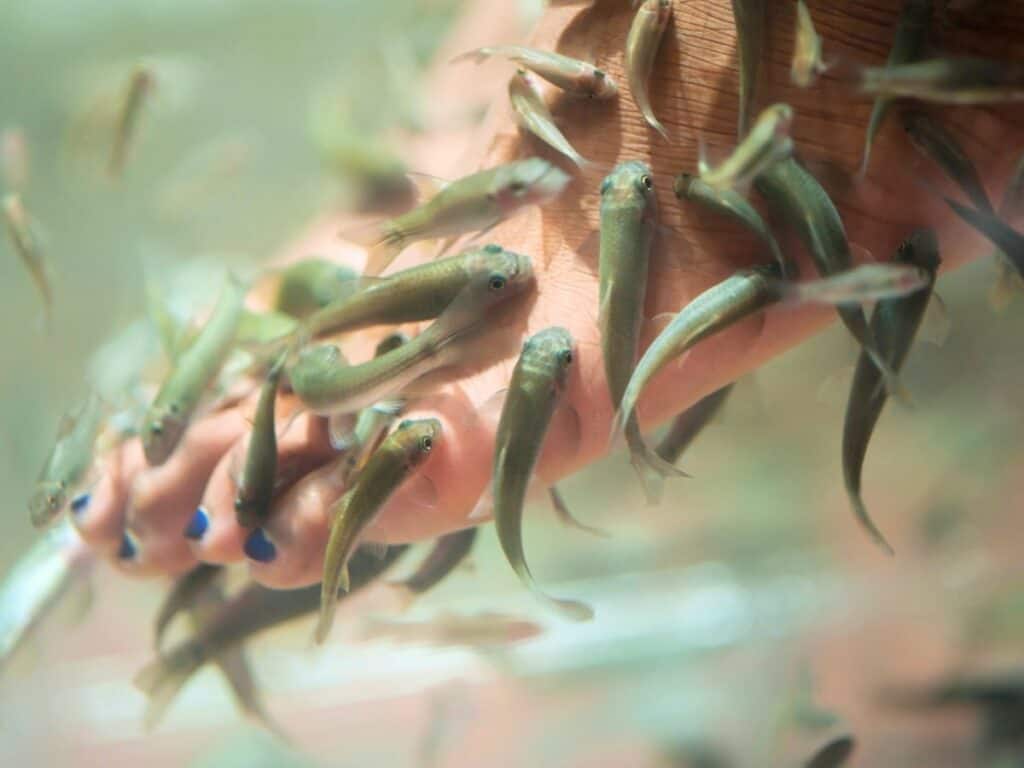
These small toothless carp fish have gained fame for nibbling dead skin in spa treatments.
While their natural behavior does involve nibbling (on algae and organic matter, not human feet) they’re now commonly used in “fish spas.”
They measure 4 to 5 inches (10-13 cm) long, inhabiting warm springs and rivers in Turkey and the Middle East.
The Turkish populations represent the species’ native range before global they spread to places like Indonesia, Thailand, Mexico, and the UK and for “fish spas.”
A bit of a finicky fish, they require specific water temperatures and flow conditions in order to thrive in the wild.
Commercial collection for spa industry also threatens wild populations, but conservation efforts help regulate collection and protect their natural habitat.
🦌 20. Red Deer

Turkey’s forests support substantial red deer populations across the country’s vast mountainous regions and forests.
Males grow impressive antlers annually, with their size indicating the animal’s age and overall health.
Autumn rutting season features spectacular roaring contests between males as they engage in battles for breeding rights.
These powerful vocalizations carry more than 2 miles (3.2 km) through high mountain valleys.
Red deer stags can weigh up to 530 pounds (240 kg), which is significantly larger than females.
Sustainable hunting programs help manage red deer populations, while also supporting the economies in Turkish rural communities.
Our Final Thoughts on Animals in Turkey You Might See When You Visit
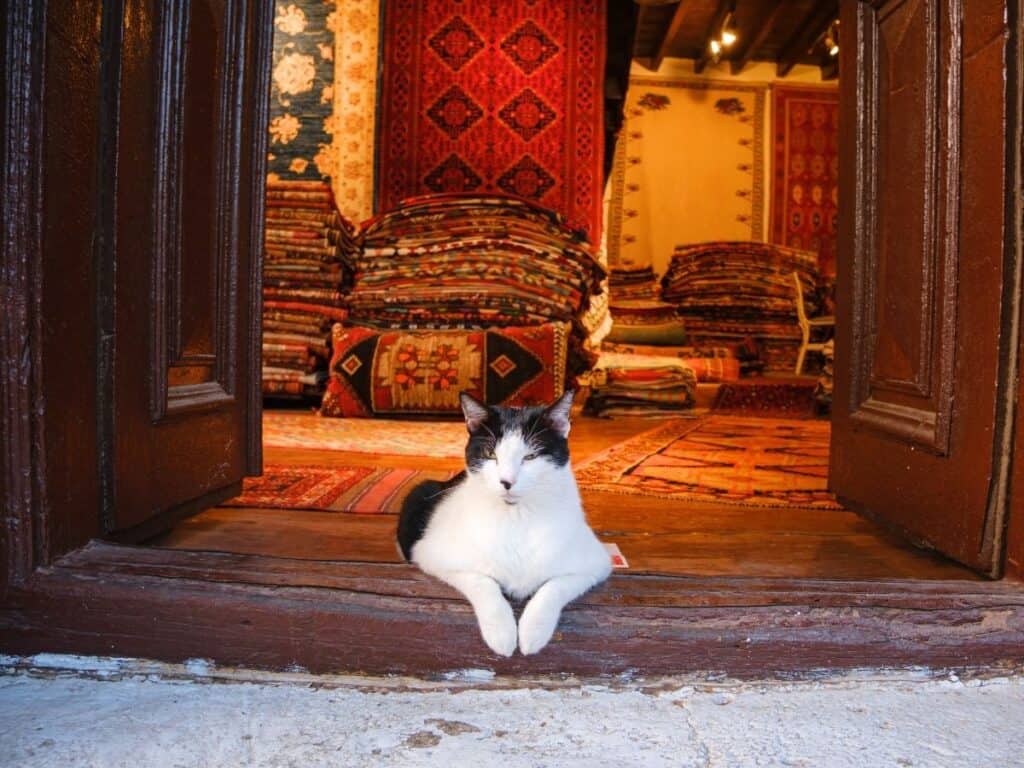
Turkey’s unique spot creates a meeting point for wildlife from three whole continents: Asia, Europe and Africa (via the Middle East).
From critically endangered Anatolian leopards to thriving wolf packs, conservation in Turkey faces wildly different challenges.
The animals in Turkey show how crossroads nations carry special responsibility for protecting biodiversity that connects entire regions and continents.