25 Native American Animals and Their Meanings That Will Unlock the Hidden Messages You’ve Missed

Native American animals and their meanings form a profound spiritual vocabulary that indigenous cultures have developed through thousands of years of close observation and reverence for the natural world.
These animal totems serve as guides, teachers, and messengers that connect tribal communities to the earth and the spiritual realm.
Understanding these sacred symbols offers insight into indigenous wisdom and the deep relationships between humans and the animal kingdom.
🐻 1. Bear

The bear holds tremendous significance across numerous Native American tribes as a symbol of strength, introspection, and healing power.
Lakota tradition honors the bear as a powerful medicine animal whose knowledge of roots and herbs makes it a natural healer.
The bear’s ability to survive winter through hibernation represents the importance of going inward for renewal and spiritual growth.
Cherokee people view the bear as the keeper of dreams and the bridge between the physical and spiritual worlds.
Bears are solitary creatures that demonstrate self-reliance while fiercely protecting their young when necessary.
The animal’s combination of gentle foraging and formidable strength teaches balance between power and peace.
In many tribal traditions, bear claws and teeth were worn as protection amulets and symbols of warrior courage.
The bear spirit animal reminds us that true strength includes knowing when to be still and when to act decisively.
🦅 2. Eagle

The eagle soars as one of the most sacred animals in Native American spirituality across virtually all tribal nations.
Plains tribes consider the eagle a messenger that carries prayers directly to the Creator in the highest realms.
Eagle feathers hold such profound spiritual significance that their use is protected by federal law for enrolled tribal members.
The bird’s ability to fly closer to the sun than any other creature connects it to divine vision and higher perspective.
Pueblo communities incorporate eagle dances into ceremonies that celebrate the bird’s role as a spiritual intermediary.
The eagle’s keen eyesight symbolizes the ability to see truth clearly and perceive what others might miss.
Hopi tradition teaches that eagles carry the prayers of the people upward and bring blessings downward in return.
This majestic bird represents courage, wisdom, and the connection between earth and sky that defines indigenous cosmology.
🐺 3. Wolf

The wolf travels through Native American symbolism as a teacher of loyalty, family bonds, and cooperative living.
Pawnee tradition honors the wolf as the first creature placed on earth by the Great Spirit to serve as a pathfinder.
Wolves live in tight-knit packs with complex social structures that demonstrate the importance of community and communication.
The animal’s distinctive howl serves to strengthen pack bonds and coordinate hunting strategies across vast territories.
Cherokee stories tell of wolves teaching humans how to work together for the good of the entire community.
Shoshone people view the wolf as a symbol of finding one’s true path through intuition and instinct.
The wolf spirit totem appears to those who need to balance independence with the wisdom of seeking counsel from their pack.
This powerful predator reminds us that true leadership means caring for the weakest members as devotedly as the strongest.
🦬 4. Buffalo (American Bison)
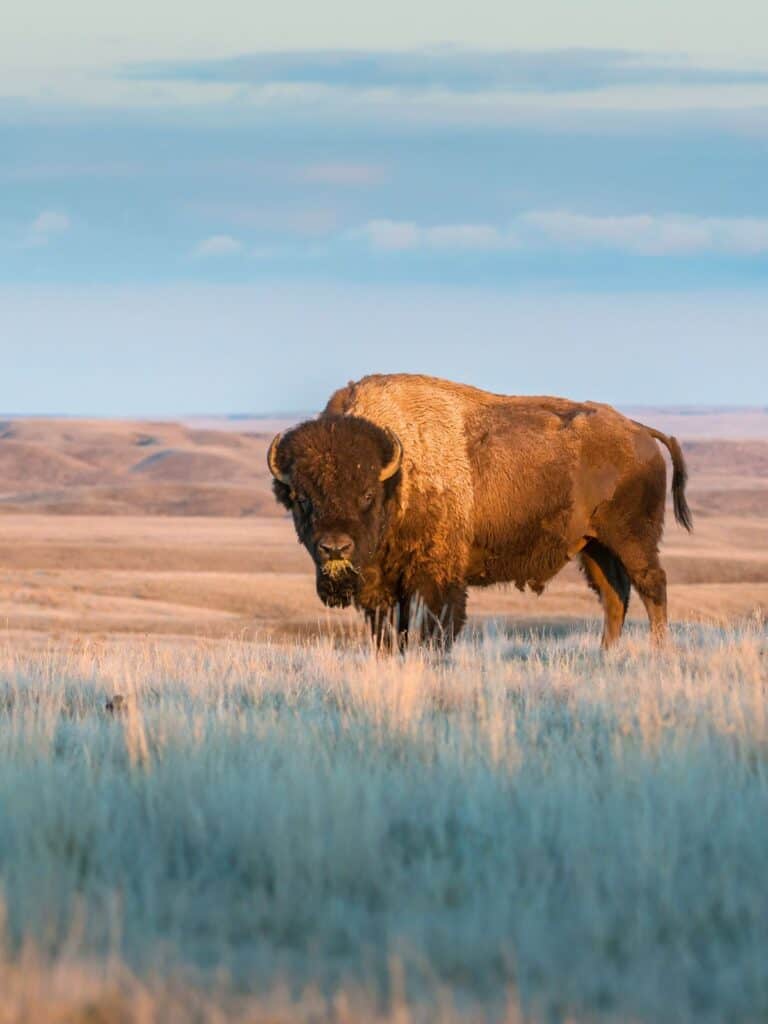
The buffalo stands as the ultimate symbol of abundance, gratitude, and sacred provision among Plains tribes like the Comanche and Lakota.
Lakota people called the buffalo Tatanka and built their entire way of life around this animal’s generous gifts.
Every part of the buffalo served the people, from meat and hide to bones and organs, teaching respect for resources.
The near-extinction and subsequent recovery of buffalo populations mirrors the resilience of indigenous peoples themselves.
Cheyenne tradition views the white buffalo as an especially sacred manifestation representing prayers answered and prophecy fulfilled.
The buffalo’s massive size and strength combined with gentle grazing habits demonstrate power used with restraint.
In indigenous cosmology, the buffalo symbolizes living in alignment with Earth’s abundance without taking more than needed.
This noble animal teaches that true wealth comes from gratitude for what we have rather than endless accumulation.
⚠️ Note: Technically, the animal native to North America is the bison, not the buffalo. Buffalo are are found in Africa and Asia, not North America.
However, in Native American contexts and common American usage, “buffalo” is the term that’s been used historically and is still widely used today, especially in phrases like “Buffalo Nation” and with animals like the sacred white buffalo.
For this reason, we used the word “buffalo” — though the animal is the American bison, and not the buffalo.
🦌 5. Deer

The deer moves gracefully through Native American traditions as a symbol of gentleness, intuition, and unconditional love.
Pueblo communities honor the deer through elaborate ceremonial dances that celebrate the animal’s gift of sustenance.
The deer’s ability to sense danger before it becomes visible represents heightened awareness and psychic sensitivity.
Cherokee people associate the deer with the East direction and the qualities of new beginnings and fresh perspectives.
A deer’s gentle eyes and soft movements teach the power of approaching life with compassion and grace.
Ojibwe tradition connects the deer to family devotion and the nurturing energy required to raise the next generation.
The animal’s antlers, which fall and regrow each year, symbolize cycles of renewal and personal transformation.
Deer medicine reminds us that strength can manifest through gentleness and that vulnerability requires its own form of courage.
🦊 6. Fox
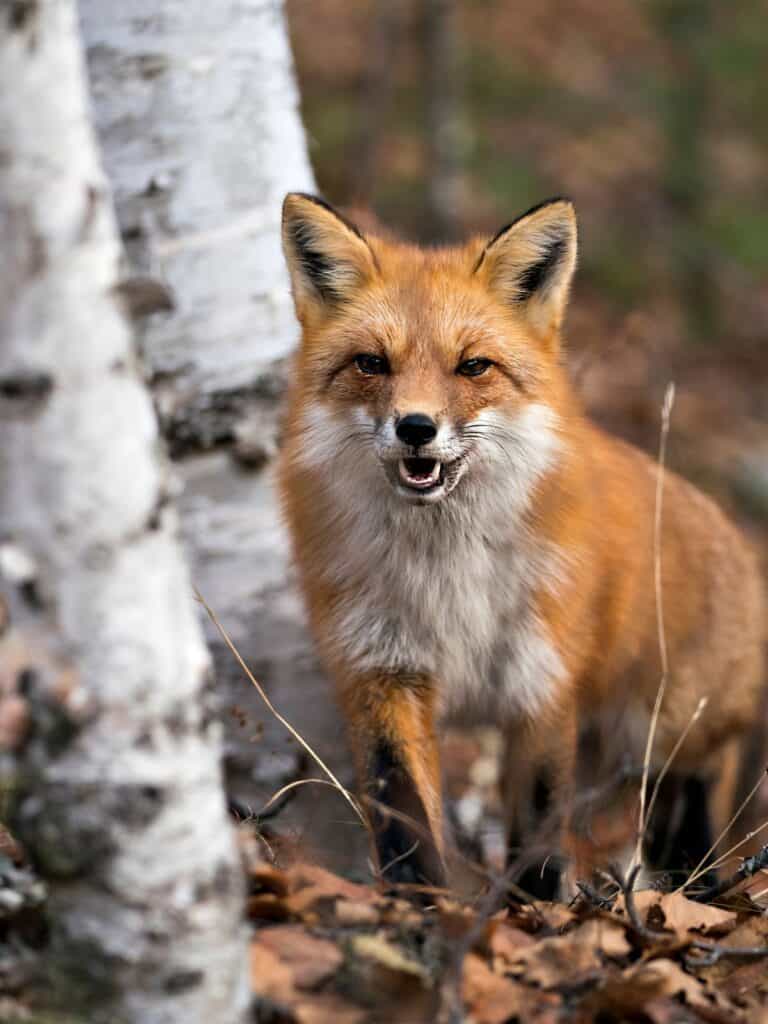
The fox weaves through indigenous stories as a clever trickster and master of camouflage and adaptation.
Hopi tradition includes fox in creation stories where its cunning helps shape the world into its current form.
The fox’s ability to blend into its environment teaches the value of discretion and knowing when to be visible.
Creek people view the fox as a guide for navigating complex social situations with intelligence rather than force.
This swift-moving animal demonstrates that survival often depends on mental agility more than physical strength.
The fox’s tendency to live near human settlements while remaining wild represents maintaining independence within community.
Choctaw stories feature fox as a character who uses wit to overcome larger, stronger adversaries.
Fox medicine appears when we need to think strategically and approach challenges from unexpected angles.
🐢 7. Turtle

The turtle carries profound meaning across Native American tribes as a symbol of Mother Earth, longevity, and ancient wisdom.
Iroquois creation stories describe the world as resting on the back of a great turtle, hence the name Turtle Island for North America.
The turtle’s protective shell represents boundaries and the importance of creating safe spaces for growth.
Lakota tradition associates turtle with feminine energy and the life-giving properties of water and earth.
The animal’s slow, deliberate movement teaches patience and the understanding that some journeys cannot be rushed.
Anishinaabe people include turtle as one of the seven grandfather teachings, representing truth and honoring what is.
A turtle’s ability to live both on land and in water symbolizes navigating different realms with equal comfort.
This ancient creature reminds us that carrying our home within ourselves provides security no external structure can match.
🦉 8. Owl
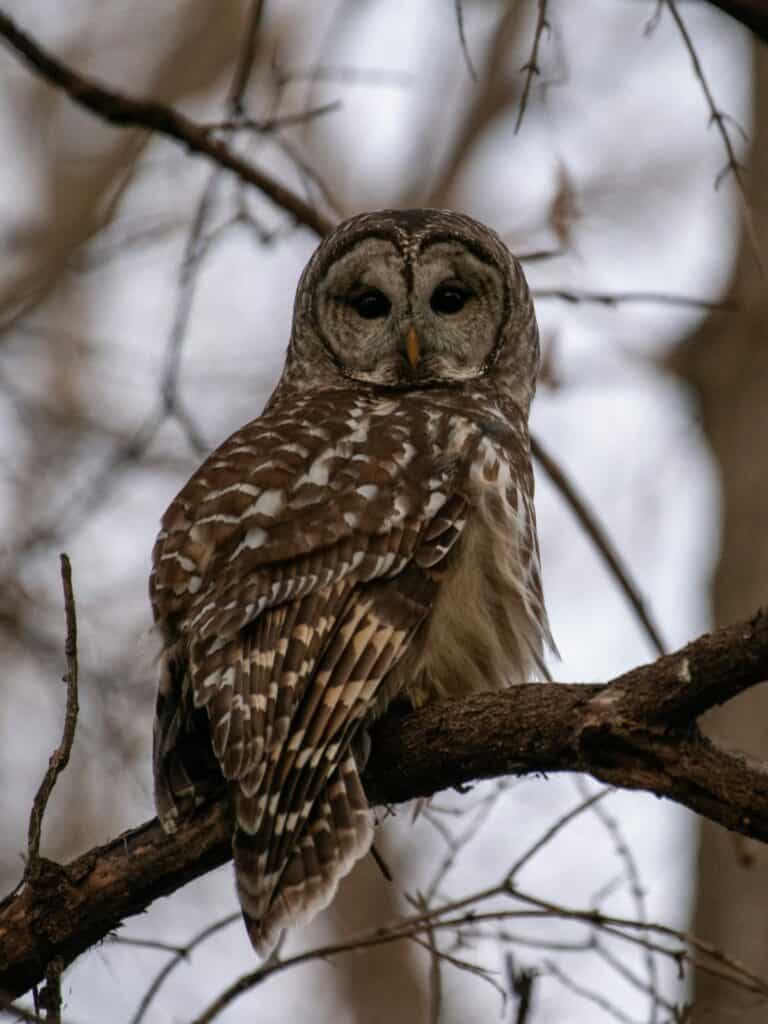
The owl flies through Native American traditions with dual symbolism representing both wisdom and warnings of transition.
Apache tradition views the owl as a messenger from the spirit world whose presence signals important changes ahead.
The bird’s ability to see in darkness symbolizes perceiving truth even in confusing or frightening circumstances.
Cherokee people associate the owl with medicine and the power to see illness before physical symptoms manifest.
Some Plains tribes consider the owl a harbinger of death, not as something fearful but as a natural transition.
The owl’s silent flight demonstrates moving through life with awareness while minimizing disturbance to others.
Pueblo communities incorporate owl imagery into ceremonies addressing shadow work and confronting hidden fears.
Owl medicine teaches that wisdom comes from embracing all aspects of existence, including those that dwell in darkness.
🐍 9. Snake

The snake slides through indigenous symbolism as a powerful representation of transformation, healing, and life force energy.
Hopi tradition features the sacred Snake Dance, a ceremony calling for rain and honoring the snake’s connection to underground waters.
The snake’s ability to shed its skin completely represents releasing the past and emerging renewed.
Cherokee medicine people associate snake with purification and the kundalini energy that rises along the spine.
Pueblo communities view the snake as a lightning spirit that brings the fertilizing rains necessary for crops.
The snake’s low position to the earth connects it to primal energy and the fundamental forces of survival.
Creek tradition includes snake in stories about the importance of respecting all creatures regardless of fear they might inspire.
Snake medicine appears when transformation is necessary and we must shed old patterns that no longer serve growth.
🦫 10. Beaver

The beaver builds its way through Native American teachings as a symbol of determination, cooperation, and creating community.
Anishinaabe tradition honors the beaver as a master architect whose engineering skills demonstrate planning and persistence.
The beaver’s elaborate dams transform entire ecosystems, showing how individual effort creates collective benefit.
Blackfoot people view the beaver as sacred medicine associated with family bonds and working together toward shared goals.
The animal’s perpetual building activity teaches the value of steady effort applied consistently over time.
Cherokee stories feature beaver as an industrious worker whose creations provide shelter for numerous other species.
The beaver’s flat tail serves multiple purposes, demonstrating resourcefulness and making the most of what you have.
Beaver medicine reminds us that meaningful change requires both vision and the willingness to do the actual work.
🦌 11. Elk
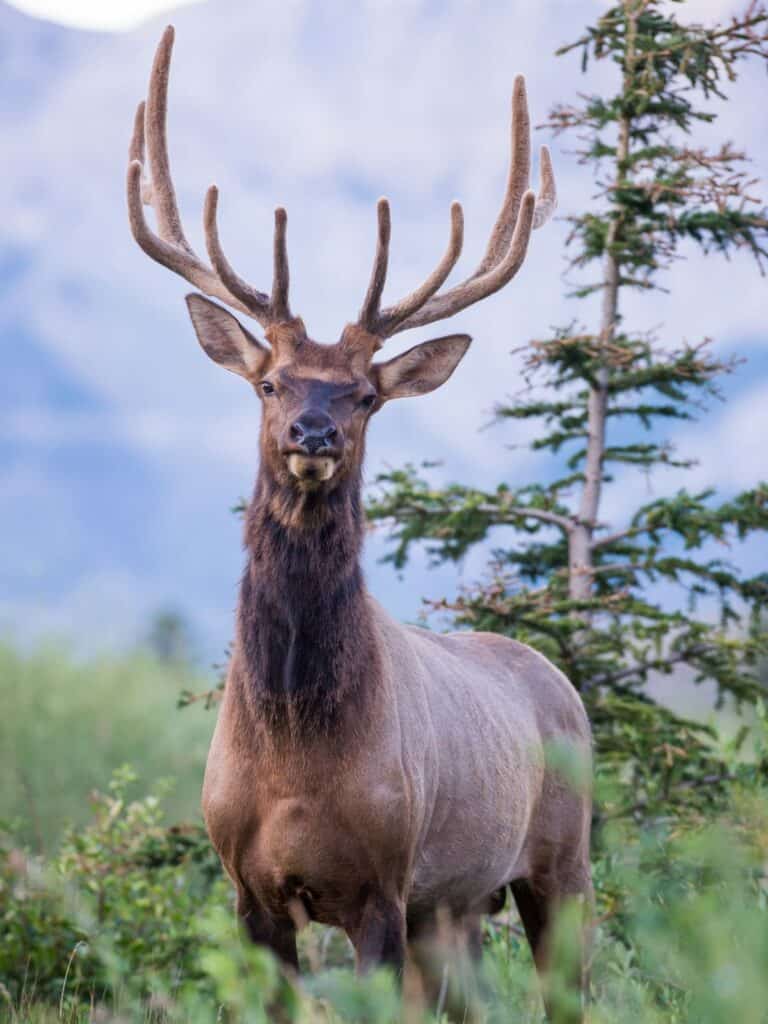
The elk stands tall in Native American symbolism representing stamina, pride, and the warrior spirit.
Lakota tradition associates the elk with masculine energy and the qualities needed to provide for and protect family.
The elk’s distinctive bugling call during mating season symbolizes claiming one’s power and making presence known.
Shoshone people view elk medicine as connected to endurance and the ability to travel great distances without tiring.
Bull elk grow impressive antlers each year, representing the development of spiritual and personal power over time.
Nez Perce tradition includes elk in stories about dignity and maintaining composure even under challenging circumstances.
The animal’s tendency to form herds demonstrates strength through community while maintaining individual dignity.
Elk medicine teaches that true confidence comes from developing genuine capability rather than empty posturing.
🦝 12. Raccoon
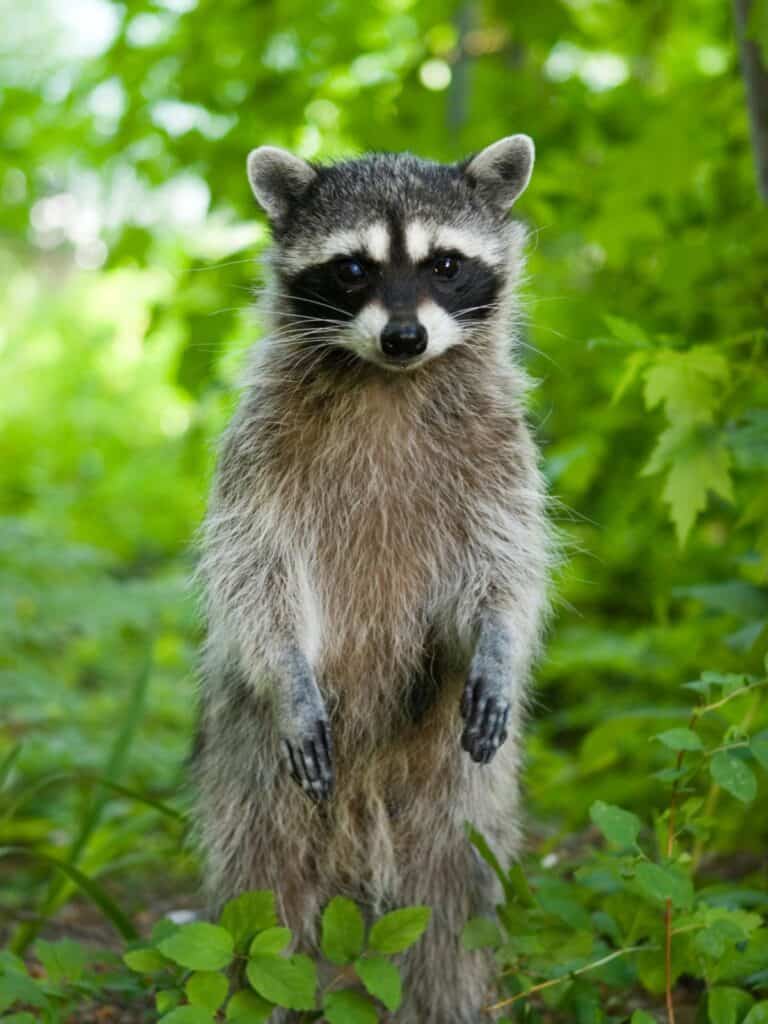
The raccoon appears in Native American stories as a symbol of curiosity, resourcefulness, and masked intentions.
Abenaki tradition features raccoon as a clever character who uses disguise and adaptability to thrive in any environment.
The distinctive mask marking around the raccoon’s eyes represents seeing beyond surface appearances to hidden truth.
Creek people associate the raccoon with dexterity and the ability to work with hands in skilled, precise ways.
The animal’s habit of washing food before eating symbolizes purification and being thoughtful about what we consume.
Cherokee stories include raccoon as a reminder that not everything is as it first appears.
The raccoon’s nocturnal nature connects it to exploring the shadow aspects of consciousness and hidden realms.
Raccoon medicine arrives when we need to question assumptions and investigate situations more thoroughly before proceeding.
🦡 13. Badger

The badger burrows through indigenous teachings as a symbol of tenacity, fierce protection, and going deep beneath surfaces.
Hopi tradition associates the badger with the South direction and the qualities of trust and innocence.
Despite its small size, the badger demonstrates fearlessness when defending its home or young.
Zuni people consider the badger a powerful healing animal whose medicine is especially potent for treating ailments.
The animal’s extensive underground networks represent exploring the subconscious and hidden aspects of reality.
Navajo tradition includes badger claws in medicine bundles as symbols of aggressive healing and cutting away disease.
The badger’s determination when digging shows the importance of persistence in uncovering what lies beneath the surface.
Badger medicine teaches that sometimes healing requires aggressive action and refusing to back down from necessary confrontations.
🦌 14. Moose

The moose strides through northern Native American traditions as a symbol of self-esteem, unpredictability, and primal energy.
Cree people honor the moose as a source of sustenance and spiritual power in the harsh northern environments.
The moose’s imposing size and solitary nature represent self-sufficiency and confidence in one’s own path.
Anishinaabe tradition associates moose with masculine energy that knows its own worth without need for external validation.
The animal’s ability to thrive in swamps and forests alike demonstrates adapting while maintaining core identity.
Algonquin stories feature moose as a teacher of recognizing and claiming personal power without arrogance.
The moose’s large antlers serve more for display than fighting, showing that true power doesn’t always need to prove itself.
Moose medicine appears when we need to stand tall in our truth and stop seeking approval from others.
🐿️ 15. Squirrel

The squirrel scampers through indigenous teachings as a symbol of preparation, playfulness, and resource gathering.
Cherokee tradition views the squirrel as a planner who demonstrates the wisdom of preparing for future needs.
The animal’s habit of gathering and storing nuts represents saving resources during times of plenty.
Creek people associate squirrel medicine with balancing work and play, knowing when to gather and when to rest.
The squirrel’s ability to leap between trees teaches taking calculated risks and trusting in one’s abilities.
Choctaw stories include squirrel as a reminder that playfulness and joy are as important as practical concerns.
The animal’s constant motion and energy represent staying active and engaged with life’s daily adventures.
Squirrel medicine teaches that preparation doesn’t mean hoarding but rather intelligent planning for cycles of scarcity.
🦅 16. Hawk
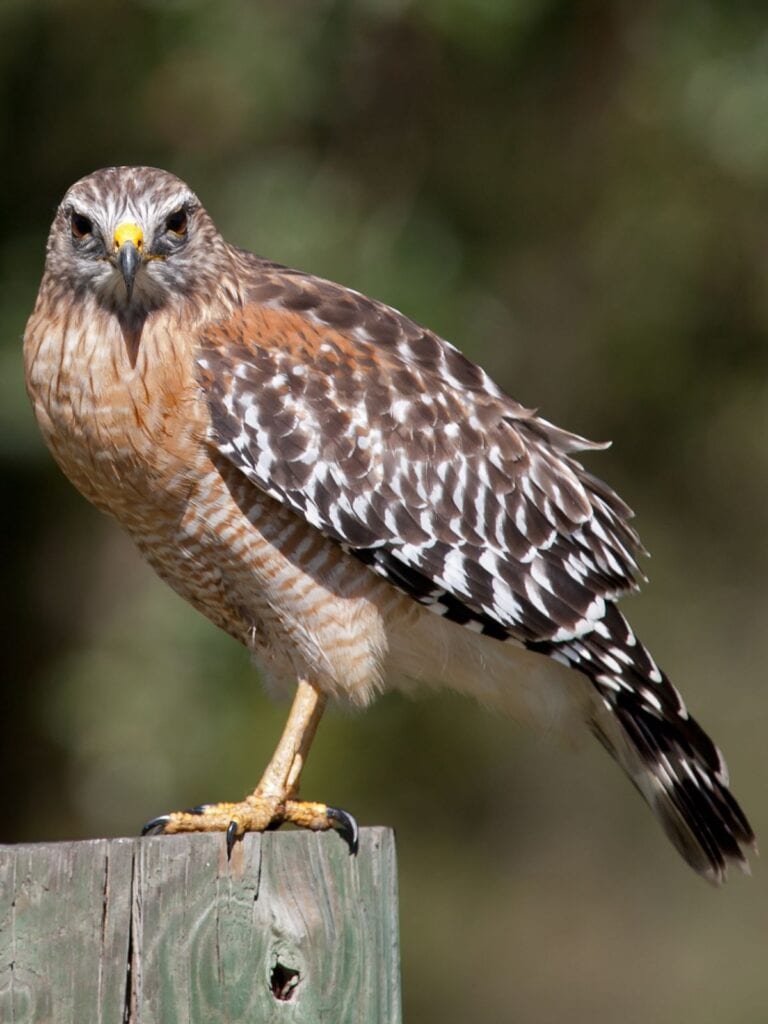
The hawk circles through Native American symbolism representing vision, focus, and the ability to see the bigger picture.
Pueblo tradition honors the hawk as a messenger whose keen sight allows it to spot opportunities from great heights.
The bird’s hunting precision demonstrates the power of focused attention and striking when the moment is exactly right.
Lakota people associate hawk medicine with awareness and the ability to notice details others overlook.
The hawk’s piercing cry serves as a wake-up call to pay attention to important messages or warnings.
Cherokee tradition includes hawk feathers in ceremonies requiring clear vision and truthful communication.
The animal’s ability to ride thermal currents represents using natural forces efficiently rather than fighting against them.
Hawk medicine appears when we need to rise above immediate concerns and gain perspective on larger patterns.
🐗 17. Boar

The boar charges through some tribal traditions as a symbol of courage, confrontation, and warrior energy.
Creek warriors invoked boar medicine before battle for the fierce determination to face any opponent.
The boar’s willingness to charge threats much larger than itself represents fearlessness in defense of territory.
Cherokee stories feature the boar as a teacher of standing your ground and refusing to be intimidated.
The animal’s powerful build and sharp tusks demonstrate that defensive capabilities allow for peaceful living.
Choctaw tradition associates boar with the willingness to confront problems directly rather than avoiding them.
The boar’s rootling behavior represents digging deep to find sustenance and uncovering what lies hidden.
Boar medicine teaches that sometimes peace requires the capacity for controlled aggression and clear boundaries.
🦎 18. Lizard
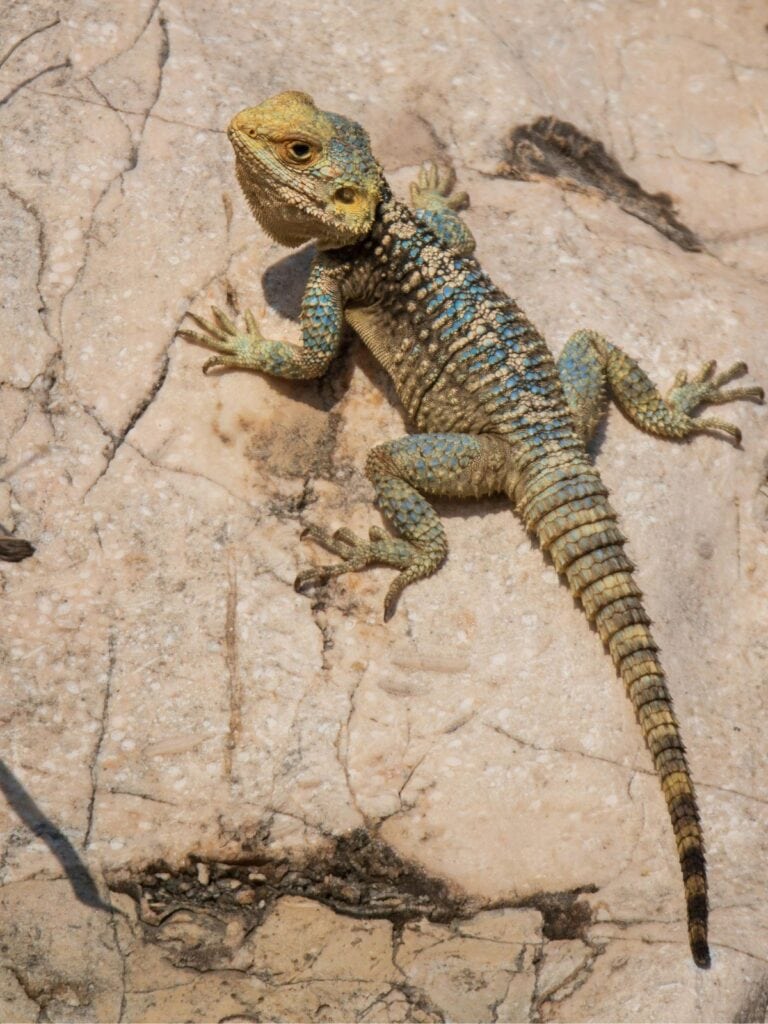
The lizard basks in Native American symbolism representing dreams, illusions, and the subconscious realm.
Hopi tradition associates lizard with the dreaming mind and the messages that come through sleep visions.
The lizard’s ability to detach its tail when threatened symbolizes releasing what no longer serves survival.
Pueblo people view lizard medicine as connected to facing fears and illusions that prevent clear seeing.
The animal’s cold-blooded nature and need for external warmth represents seeking out what energizes and sustains us.
Navajo stories include lizard as a reminder that not all threats are real and some fears exist only in imagination.
The lizard’s quick movements and stillness alike teach when to act swiftly and when to remain motionless.
Lizard medicine appears when we need to examine whether our perceptions match reality or reflect internal projections.
🦦 19. Otter

The otter plays through indigenous teachings as a symbol of joy, feminine energy, and going with the flow.
Anishinaabe tradition honors the otter as a teacher of balancing responsibility with pleasure and playfulness.
The otter’s sleek movement through water represents navigating emotions with grace and enjoying the journey.
Creek people associate otter medicine with curiosity and approaching life with childlike wonder intact.
The animal’s social nature and playful sliding demonstrate that community bonds strengthen through shared joy.
Blackfoot stories feature otter as a reminder that laughter and play are sacred activities, not frivolous wastes of time.
The otter’s excellent swimming and diving abilities symbolize comfort with deep emotional exploration.
Otter medicine teaches that joy is not a luxury but a fundamental necessity for spiritual and emotional health.
🦌 20. Caribou
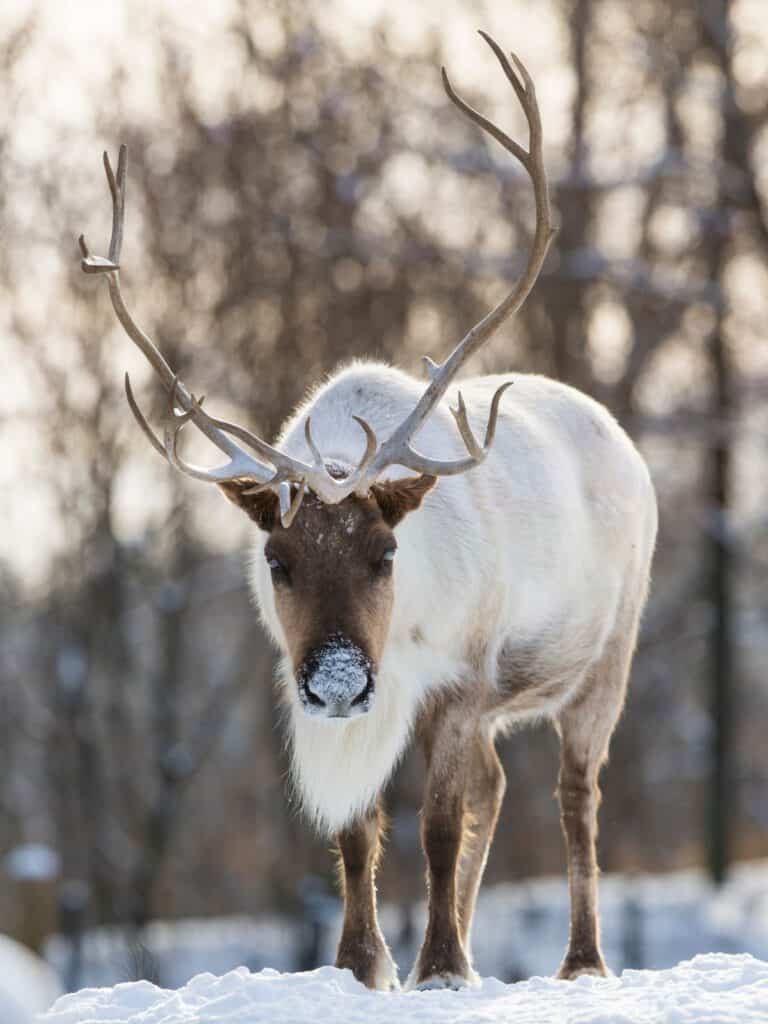
The caribou migrates through northern Native American traditions as a symbol of travel, endurance, and following ancient paths.
Inuit people depend on caribou for physical survival and honor them as sacred providers of life itself.
The animal’s massive seasonal migrations represent trusting in natural rhythms and ancestral knowledge.
Dene tradition views the caribou as a teacher of community cooperation and sharing resources equitably.
The caribou’s ability to find food beneath deep snow demonstrates persistence and resourcefulness in harsh conditions.
Cree stories include caribou as guides who know the old ways and lead their people to sustenance.
The animal’s role in sustaining entire communities teaches interdependence and the sacred responsibility of provider and receiver.
Caribou medicine reminds us that some wisdom comes only through following the paths our ancestors walked before us.
🦨 21. Skunk
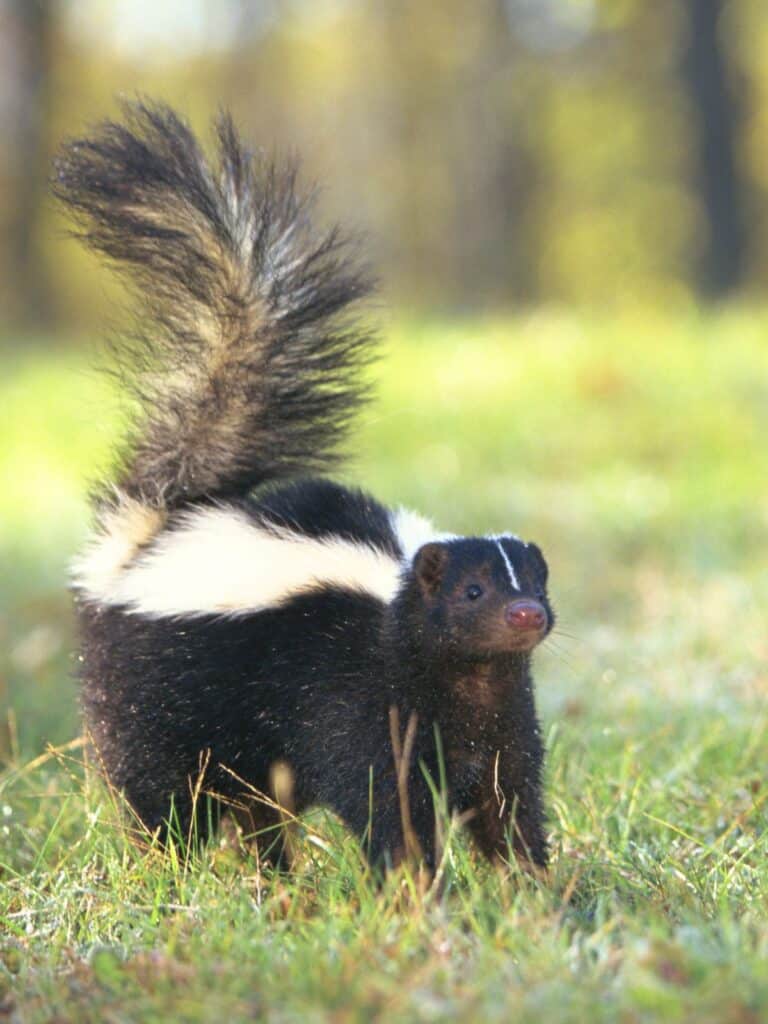
The skunk waddles through Native American teachings as a symbol of reputation, self-respect, and peaceful warning.
Cherokee tradition associates skunk with self-esteem and the confidence to walk peacefully because defense is assured.
The skunk’s distinctive warning coloration teaches honest communication about boundaries before enforcement becomes necessary.
Creek people view skunk medicine as connected to reputation and ensuring actions align with the image we project.
The animal’s powerful defensive spray represents having effective protection that allows for peaceful demeanor.
Choctaw stories feature skunk as a teacher of maintaining dignity and self-respect even when others disrespect you.
The skunk’s willingness to share space peacefully with most creatures demonstrates that strength allows for gentleness.
Skunk medicine appears when we need to establish clear boundaries and maintain self-respect without aggression.
🐇 22. Rabbit
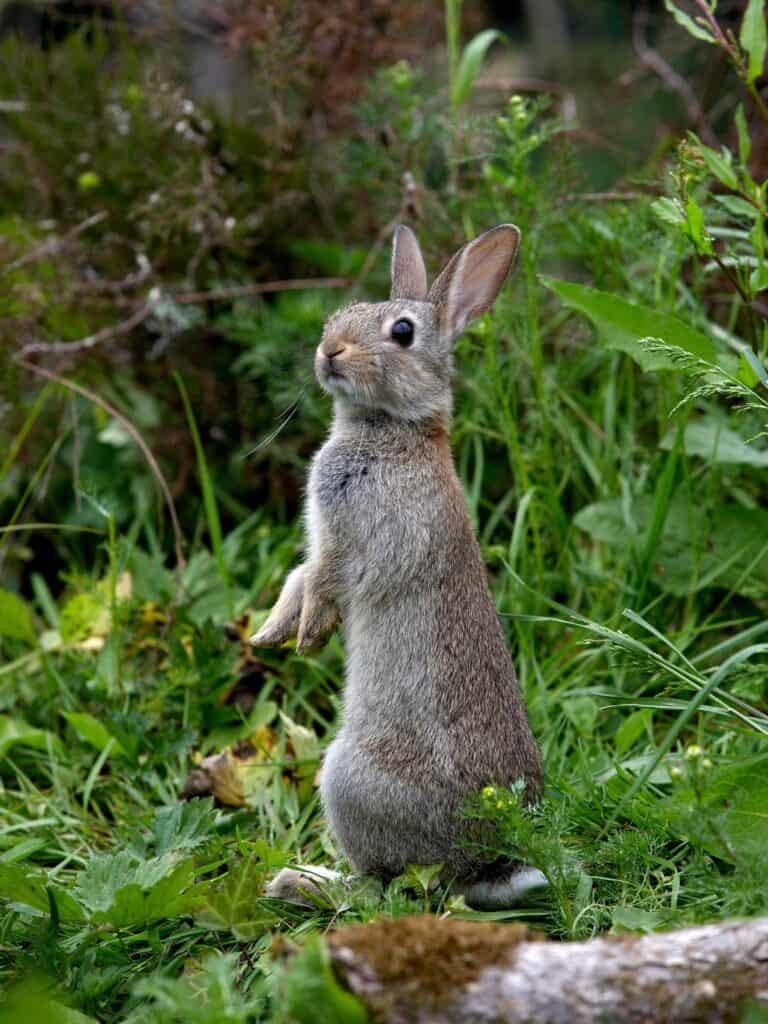
The rabbit hops through indigenous symbolism representing fear, fertility, and the paradox of vulnerability as power.
Anishinaabe tradition views rabbit as a teacher of conquering fear and understanding that running sometimes shows wisdom.
The rabbit’s legendary fertility symbolizes abundance, creative potential, and the perpetuation of life.
Hopi stories feature rabbit as a trickster character whose apparent weakness conceals clever survival strategies.
The animal’s powerful hind legs demonstrate that what appears gentle or timid may possess surprising strength.
Cherokee people associate rabbit with lunar energy and the cycles of increase and decrease in all things.
The rabbit’s constant vigilance represents awareness of surroundings and the readiness to respond instantly to threats.
Rabbit medicine teaches that acknowledging fear doesn’t mean succumbing to it and that vulnerability requires its own courage.
🐦⬛ 23. Raven

The raven flies through Native American mythology as a powerful creator, trickster, and keeper of secrets.
Tlingit and Haida traditions of the Pacific Northwest honor Raven as the creator who brought light to the world.
This intelligent bird demonstrates problem-solving abilities that rival primates, representing cleverness and adaptation.
Inuit stories feature Raven as a shape-shifter who moves between worlds and transforms reality itself.
The raven’s black feathers symbolize the void from which all creation emerges and mystery that cannot be fully understood.
Nez Perce people associate raven with magic and the ability to see beyond the veil of ordinary perception.
The bird’s complex vocalizations include mimicry of other animals, teaching the power of communication and adaptability.
Cherokee tradition views raven as a messenger from the spirit realm whose presence signals important supernatural communications.
Raven medicine appears when we need to embrace mystery, use our intelligence creatively, and remember that chaos often precedes creation.
🦊 24. Coyote
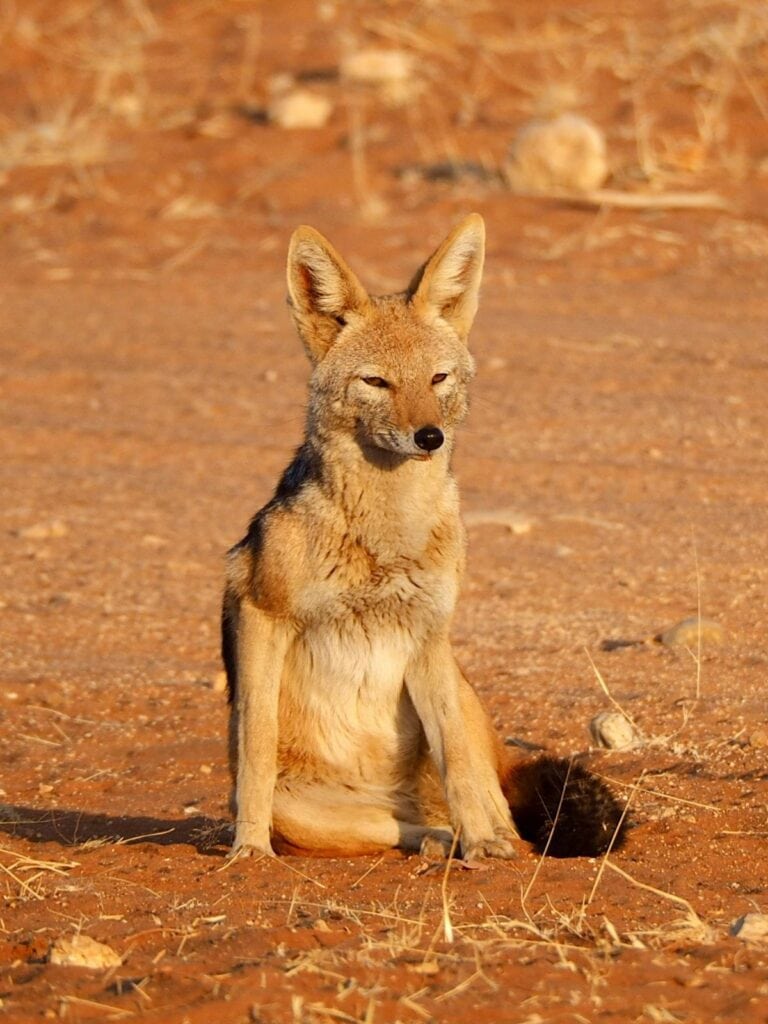
The coyote trots through Native American stories as the ultimate trickster teacher whose lessons come through mistakes and chaos.
Navajo tradition features Coyote as a central figure in creation stories where his actions shape the world in unexpected ways.
This adaptable canine thrives in environments from deserts to cities, representing flexibility and survival against all odds.
Plateau tribes tell stories of Coyote as a culture hero who sometimes helps humanity and sometimes creates problems through foolishness.
The coyote’s intelligence and opportunism teach that rules exist to be tested and wisdom often comes through failure.
Ohlone people view Coyote as a reminder that not all teachers are dignified and some lessons require learning the hard way.
The animal’s distinctive yipping and howling serves as communication that can be heard for miles across open landscapes.
Shoshone tradition includes coyote stories that explain natural phenomena through his misadventures and clever solutions.
Coyote medicine appears when we need to laugh at ourselves, question authority, and remember that even mistakes serve a purpose.
🐟 25. Salmon

The salmon swims through Pacific Northwest Native American traditions as a symbol of determination, sacrifice, and renewal.
Coast Salish people honor the salmon as a sacred being who gives its life so that communities may thrive and continue.
The salmon’s incredible journey upstream to spawn against powerful currents represents perseverance toward life purpose.
Tlingit tradition includes elaborate First Salmon ceremonies that honor the fish’s return and ensure future abundance.
The animal’s ability to navigate from ocean to exact birthplace demonstrates intuition and connection to origins.
Chinook people view the salmon’s life cycle as a teaching about sacrifice, transformation, and the continuation of life through death.
The fish’s instinct to return home despite obstacles symbolizes the pull toward our spiritual source and ancestral roots.
Haida stories feature salmon as relatives who deserve respect and gratitude for their role in sustaining human communities.
Salmon medicine teaches that true purpose often requires swimming against the current and that sacrifice for future generations is sacred.
Our Final Thoughts on Native American Animals and Their Meanings

These native american animals and their meanings represent only a fraction of the rich spiritual vocabulary developed by indigenous peoples across North America.
Each animal totem carries layers of significance that deepen with study, meditation, and respectful engagement with tribal teachings.
By understanding these sacred symbols, we honor the wisdom of indigenous cultures and recognize our own profound connection to the natural world and its eternal teachings.