🇬🇷 These 15 Greek God Animals Reveal Ancient Wisdom You Need to Know About

Greek god animals served as sacred symbols and divine messengers in ancient mythology, representing the qualities and powers of the Olympian deities they served.
These sacred animals weren’t randomly chosen but carefully selected to embody the essence of each god’s domain and attributes.
Understanding these divine symbols offers insights into how the ancient Greeks viewed the natural world as a reflection of cosmic forces.
🦅 1. Eagle of Zeus

The eagle soars as the most powerful sacred animal in Greek mythology, serving as Zeus’s personal messenger and symbol.
Zeus, known to Romans as Jupiter, chose the eagle for its ability to fly higher than any bird and its fierce hunting prowess.
Ancient Greeks believed eagles could look directly at the sun without being blinded, representing divine vision and authority.
The eagle carried Zeus’s thunderbolts and served as his eyes ⚡️ observing the mortal world from great heights.
Zeus transformed into an eagle to abduct Ganymede to serve as cupbearer to the gods.
This divine bird symbolized power, courage, victory, and the ability to see truth from the highest perspective.
🦉 2. Owl of Athena

The owl stands as the sacred companion of Athena, goddess of wisdom and strategic warfare, known to Romans as Minerva.
Ancient Athenians viewed owls as so sacred that killing one resulted in severe punishment.
The owl’s ability to see in darkness symbolized Athena’s gift of illuminating truth and seeing through deception.
Greek soldiers believed an owl flying over their army before battle signaled Athena’s protection and guaranteed victory.
These Athenian coins (known as tetradrachm) featured the owl alongside Athena, cementing the connection between goddess and bird.
This sacred animal teaches that true wisdom includes seeing what others miss and illuminating truth even in darkness.
🦚 3. Peacock of Hera

The peacock displays its magnificent plumage as the sacred bird of Hera, queen of the gods and goddess of marriage.
Hera, called Juno by Romans, chose the peacock for its beauty, dignity, and the watchful eyes adorning its tail.
Greek mythology explains that the peacock’s tail eyes came from the hundred-eyed giant Argus, whom Hera transformed after his death.
The peacock’s proud display, part of the bird’s mating ritual, represents Hera’s dignity and her watchfulness over marriage vows.
The peacock’s iridescent feathers symbolized the heavens, stars ✨ and the all-seeing nature of divine consciousness.
This sacred bird reminds us that true beauty includes awareness and that vigilance protects what we hold sacred.
🕊️ 4. Dove of Aphrodite

The dove flies gently as the sacred bird of Aphrodite, goddess of love and beauty, known to Romans as Venus.
Ancient Greeks observed doves’ gentle cooing and devoted pair bonding, making them perfect symbols for the goddess of love.
Doves pulled Aphrodite’s chariot through the sky and nested around her temples throughout the Greek world.
In sacred rituals, releasing doves symbolized sending prayers to Aphrodite, asking for her blessing in matters of the heart.
The dove’s soft feathers represented love’s tender aspects, while its prolific breeding showed love’s generative power.
This divine bird, one of the most common Biblical animals, teaches that love’s greatest strength often manifests through gentleness and devotion.
🐬 5. Dolphin of Poseidon

The dolphin leaps through waves as the sacred companion of Poseidon, god of the sea and earthquakes.
Poseidon, known as Neptune to Romans, valued dolphins for their intelligence and their role as protectors of sailors.
Greek mythology tells of dolphins rescuing drowning sailors and guiding lost ships to safety as Poseidon’s messengers.
The famous story of Arion describes how dolphins saved the musician from pirates 🏴☠️ carrying him safely to shore.
Ancient Greeks viewed dolphins as former humans transformed by the gods, explaining their intelligence and affinity for people.
This sacred sea creature reminds us that power includes playfulness and that protection comes from unexpected sources.
🦌 6. Deer of Artemis

The deer runs swift and graceful as the sacred animal of Artemis, virgin goddess of the hunt and wilderness 🏹
Artemis, called Diana by Romans, protected deer as sacred despite being goddess of the hunt, showing nature’s paradoxes.
Her golden-horned deer pulled her chariot and were the only deer in Greek mythology that were absolutely forbidden to hunt.
The myth of Actaeon warns that seeing Artemis bathing resulted in transformation into a deer and death by his own hounds.
Deer symbolized the delicate balance between hunter and hunted, the sacred and the profane, the tame and the wild.
This divine animal teaches about respecting boundaries and understanding that some things must remain free to maintain their sacred nature.
🐍 7. Snake of Asclepius
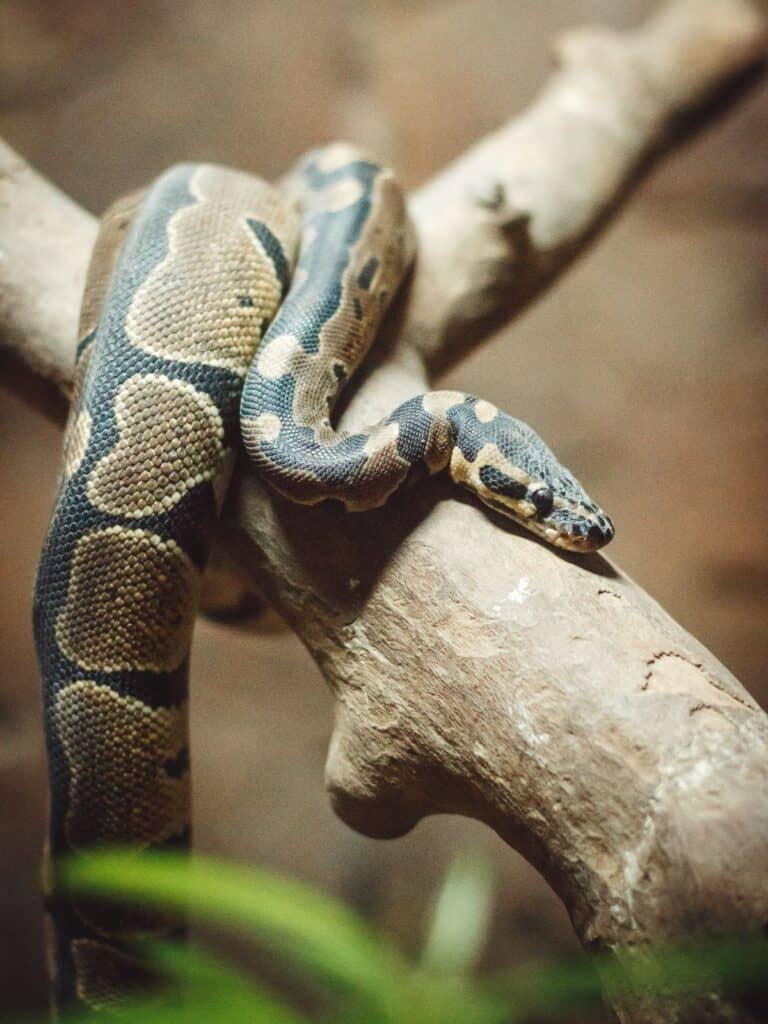
The snake coils around the staff of Asclepius, god of medicine and healing, representing transformation and renewal through shedding skin.
Asclepius, son of Apollo, chose the snake as his sacred animal because of its association with earth, death, and rebirth.
Ancient Greeks observed that snakes shed their entire skin and emerge renewed, making them perfect symbols for healing and transformation.
The Rod of Asclepius ⚕️ featuring a single snake wrapped around a staff, remains the symbol of medicine and medical professions today.
Greek healing temples kept sacred snakes that would crawl over sleeping patients, and dreams of snakes indicated coming cures.
The snake’s connection to earth and its ability to access underground realms linked it to hidden knowledge and medicinal secrets.
This sacred creature teaches that true healing requires transformation, that we must shed old patterns, and that renewal comes from embracing change.
🦁 8. Lion of Cybele

The lion stands fierce and regal as the sacred animal of Cybele, the great mother goddess adopted from Phrygia into Greek worship.
Cybele, known as Magna Mater to Romans, rode in a chariot pulled by lions, representing her power over wild nature.
Ancient Greeks associated lions with protection, royal power, and the fierce maternal instinct to defend what is sacred.
The lion’s golden mane symbolized the sun’s rays and the life-giving yet dangerous power of divine feminine energy.
Greek cities placed lion statues at temple entrances and gates to invoke Cybele’s protection against enemies and evil forces.
The lion represented the wild, untamed aspect of nature that civilization must respect rather than attempt to dominate completely.
This divine beast teaches that true maternal love includes ferocity, that protection requires strength, and that wildness deserves reverence.
🐎 9. Horse of Poseidon

The horse gallops powerfully as another sacred animal of Poseidon the Sea God 🔱 representing the god’s dual domain over sea and land.
Poseidon created the first horse by striking rocks with his trident, giving humanity this gift of speed and power.
Ancient Greeks viewed horses as creatures of both earth and water, connecting them to Poseidon’s control over terrestrial and marine realms.
The white horses that pulled Poseidon’s chariot across the waves represented sea foam and the churning power of ocean currents.
Greek cavalry and charioteers offered prayers and sacrifices to Poseidon before races and battles, seeking his blessing for victory.
The horse symbolized freedom, power, nobility, and the barely controlled forces that require skill and respect to master.
This sacred animal teaches that true power requires partnership, that freedom needs direction, and that strength serves best when properly guided.
🦢 10. Swan of Apollo

The swan glides elegantly as the sacred bird of Apollo, god of music, poetry, prophecy, and the sun.
Apollo, also called Phoebus, chose the swan for its grace, its beautiful song, and its connection to artistic inspiration.
Greek mythology describes swans pulling Apollo’s chariot and singing prophecies with voices more beautiful than any human music.
The phrase “swan song” originates from the Greek belief that swans sing most beautifully just before death, representing life’s final masterpiece.
Ancient oracles associated swans with prophetic visions and divine inspiration flowing from Apollo to his chosen messengers.
The swan’s white plumage symbolized purity, truth, and the clarity of divine artistic vision unobscured by earthly concerns.
This divine and beautiful bird teaches that beauty and truth are inseparable, that prophecy requires grace, and that art elevates the mortal to divine.
🦇 11. Bat of Persephone

The bat flies through twilight as a creature sacred to Persephone, queen of the underworld and goddess of spring’s return.
Persephone, called Proserpina within the Roman Gods, ruled the realm of the dead during winter months before returning to bring spring to earth.
Ancient Greeks associated bats with the transition between life and death, existing in the liminal space between day and night.
The bat’s ability to navigate darkness using senses humans lack symbolized Persephone’s wisdom gained from ruling the shadowy underworld.
Bats emerging at dusk represented souls transitioning between worlds, a boundary Persephone crossed twice yearly in her mythic cycle.
This sacred animal symbolized transformation, the necessity of darkness for growth, and the wisdom found in embracing life’s shadow aspects.
The bat teaches that endings enable new beginnings, that darkness holds its own wisdom, and that transformation requires descent before ascension.
🐺 12. Wolf of Apollo

The wolf prowls as another sacred animal of Apollo, representing the god’s protective and destructive aspects in equal measure.
Ancient Greeks honored wolves at Apollo’s temples, recognizing the predator’s role in maintaining natural balance through selective hunting.
Apollo Lykaios, one of the god’s titles, means “Apollo of the wolves,” linking him to wild nature and primal instincts.
Greek shepherds prayed to Apollo for protection from wolves, acknowledging the god controlled both the threat and the defense.
The wolf symbolized the thin line between civilization and wilderness, between reason and instinct, between protection and predation.
This sacred predator teaches about balance, about respecting natural cycles, and about understanding that destruction and protection serve the same cosmic order.
🦀 13. Crab of Artemis

The crab scuttles as a lesser-known sacred animal associated with Artemis, representing protection and the cycles of the moon 🌙
Greek mythology includes the crab in the story of Heracles’ battle with the Hydra, where it pinched the hero defending the monster.
The crab’s hard shell and sideways movement symbolized unconventional approaches and the protection of vulnerable inner nature.
Ancient Greeks observed crabs responding to lunar cycles, connecting them to Artemis’s role as moon goddess and protector of young creatures.
The crab’s ability to regenerate lost claws represented renewal and the defensive strategies necessary for survival in hostile environments.
This wild creature teaches about timing, about protecting what’s vulnerable, and about finding indirect paths when direct ones are blocked.
🐂 14. Bull of Zeus
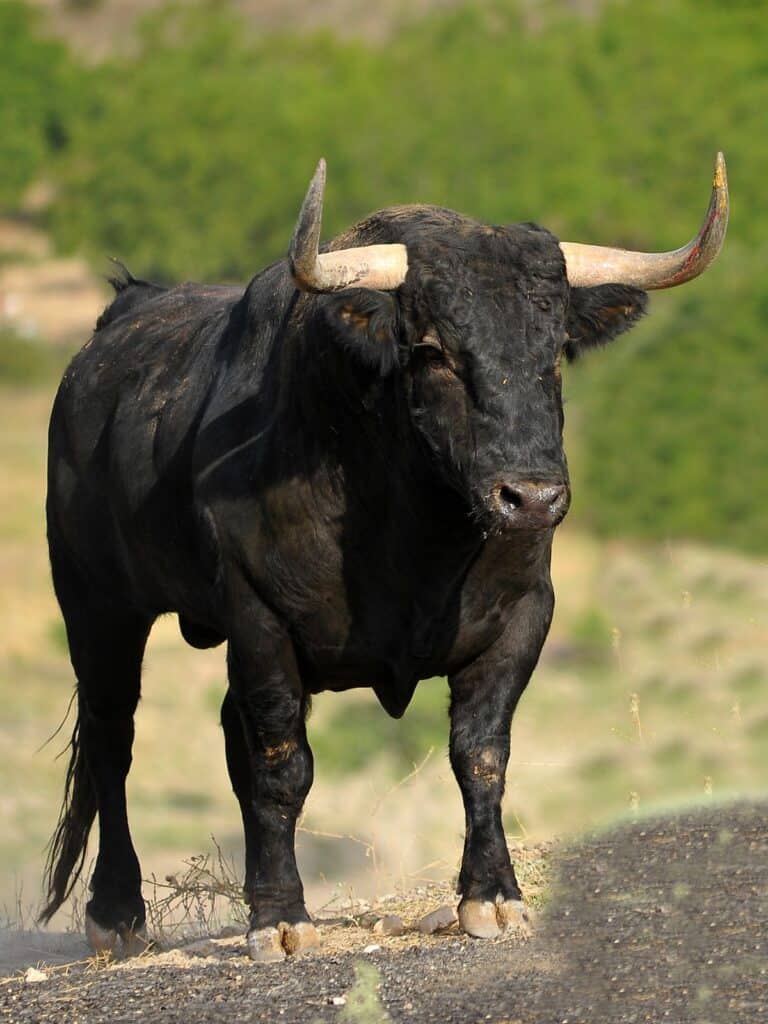
The bull stands powerful and fertile as another form Zeus adopted, representing masculine power, fertility, and royal authority.
Zeus transformed into a magnificent white bull to seduce Europa, swimming across the sea with her on his back to Crete.
In ancient Greece, bulls were associated with virility, agricultural abundance, and the unstoppable force of male divine energy manifesting in physical form.
The Cretan bull myth and the Minotaur myth connect Zeus’s bull form to power, danger, and the consequences of unchecked divine desire.
Bulls symbolized the raw power of nature, the fertility of the land, and the sometimes destructive force of masculine divinity.
This sacred beast teaches that power requires responsibility, that strength can manifest as gentleness, and that fertility serves creation.
🦂 15. Scorpion of Artemis

The scorpion strikes with deadly precision as the creature Artemis sent to kill the boastful hunter Orion in Greek mythology.
This arachnid became associated with divine justice, the consequences of hubris, and the goddess’s fierce protection of wild nature.
Ancient Greeks viewed scorpions as guardians that punished those who overstepped bounds or disrespected the gods and nature.
The scorpion’s venomous sting represented swift divine retribution and the danger of underestimating small but powerful forces.
Artemis’s use of the scorpion taught that size doesn’t determine power and that the goddess defended her domain without mercy.
This sacred creature teaches about respecting boundaries, about the consequences of arrogance, and about power coming in unexpected forms.
Our Final Thoughts on Greek God Animals That Reveal Ancient Wisdom

These Greek god animals reveal how ancient wisdom understood the natural world as infused with divine meaning and sacred purpose.
Each creature served as both symbol and messenger, bridging the gap between mortal understanding and the timeless powers of the Olympian pantheon.
By studying these sacred animals and their divine associations, we connect to ancient knowledge about nature, power, and the forces that shape existence.