7 Animals Sacrificed in the Bible (And the Profound Reasons Why God Chose Them 🐑)

When we read through the Old Testament, one practice appears repeatedly: Animal sacrifice.
Understanding which animals were sacrificed in the Bible and why they were chosen reveals profound truths about God’s relationship with His people.
The sacrificial system was not a random collection of rituals; but a carefully designed system pointing toward something greater.
Let’s explore the specific animals that played sacred roles in Biblical worship and what we can learn from them today.
Clean Animals: The Foundation of Acceptable Sacrifice in the Bible

Not every animal could be used for sacrifice in ancient Israel.
God established specific requirements about which Biblical animals were acceptable for offerings to Him.
According to Leviticus 11, only “clean” animals with split hooves that chewed the cud could be sacrificed (ie. Kosher animals).
This narrowed the options considerably and made certain animals particularly valuable in Israelite worship.
The animals sacrificed in the Bible had to meet strict standards of ritual purity before they could approach God’s altar.
This distinction between clean and unclean animals wasn’t arbitrary but reflected deeper spiritual truths about holiness and separation.
When God gave Moses the law, He made it clear that approaching Him required following His specific instructions.
The animals chosen for sacrifice represented the best of what the people had to offer.
What animals were sacrificed in the Bible?
Bulls and Oxen: The Most Valuable Sacrifices

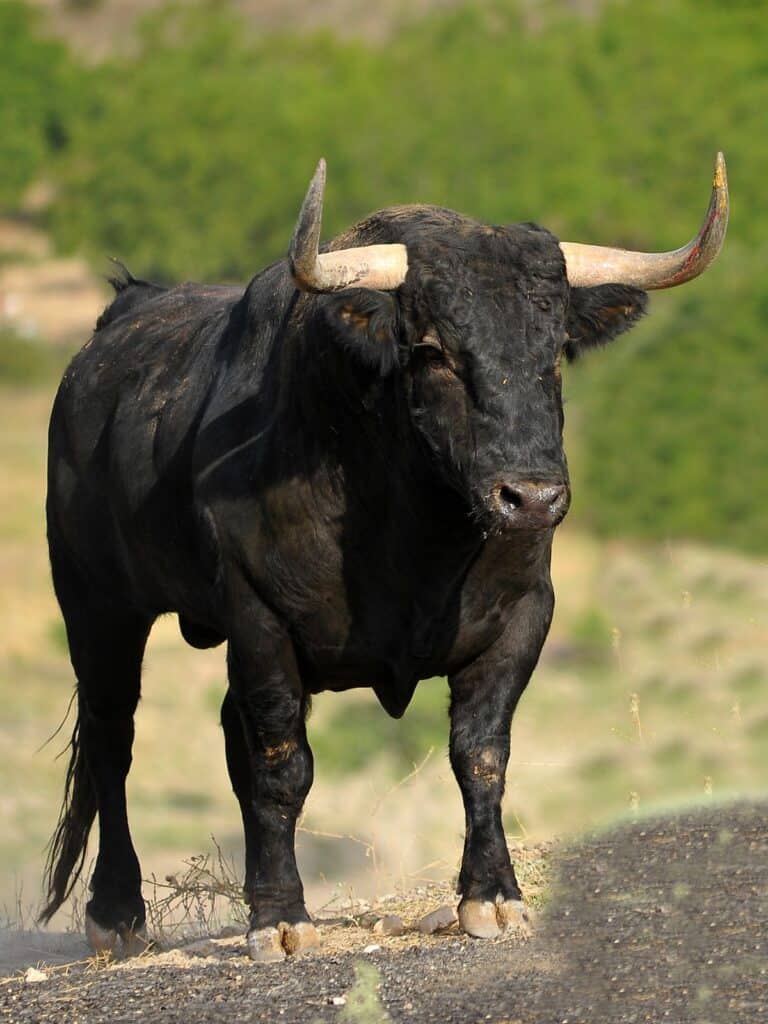
Bulls represented the most expensive and prestigious sacrificial animals in ancient Israel.
According to Leviticus 4:3, when the high priest sinned, he had to bring a young bull without defect as a sin offering.
Bulls were also used for burnt offerings, as described in Leviticus 1:5, where the entire animal was consumed by fire on the altar.
The size and value of a bull made it a significant sacrifice, often reserved for serious occasions or wealthy individuals.
When Solomon dedicated the temple in 1 Kings 8:63, he sacrificed 22,000 cattle alongside 120,000 sheep.
This massive dedication showed the importance of these animals in marking sacred events.
Oxen were working animals that helped plow fields and thresh grain, making them essential to agricultural life.
Sacrificing an ox meant giving up not just meat but also future labor and productivity.
This made the offering particularly meaningful as it represented a real cost to the person bringing it.
Sheep and Lambs: The Most Common Sacrificial Animals
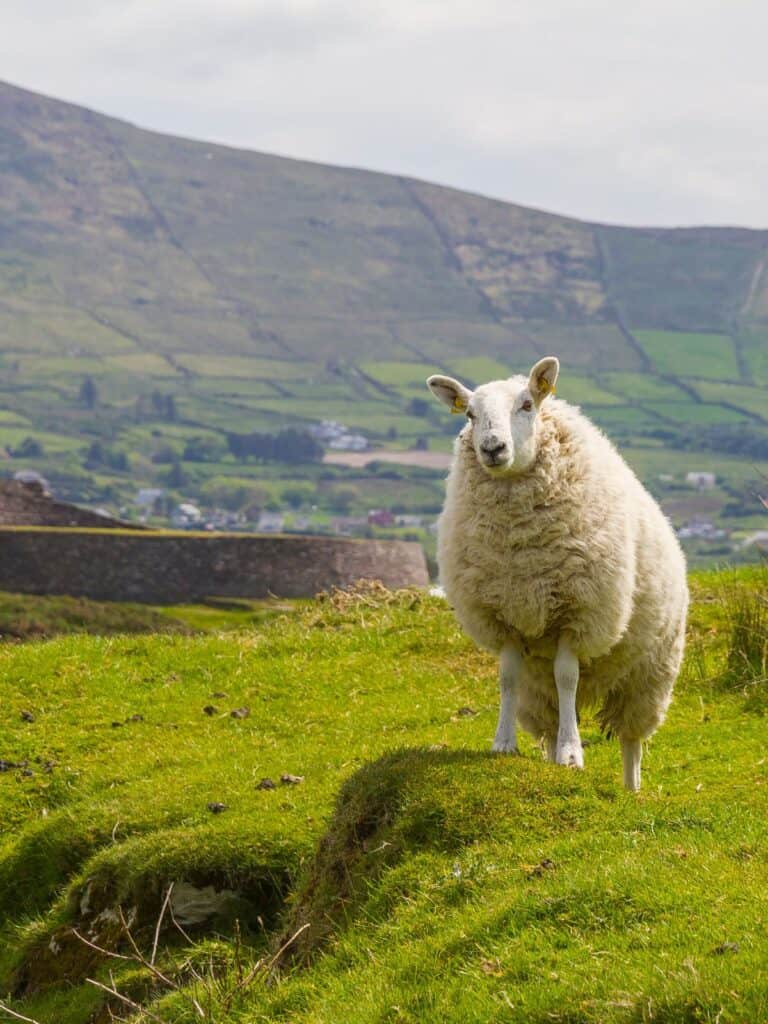
If someone asked what animals were sacrificed in the Bible, sheep and lambs would top the list.
These animals appear more frequently in sacrificial contexts than any of the other creatures in the Bible.
Leviticus 1:10 describes sheep as acceptable for burnt offerings, while Leviticus 4:32 mentions them for sin offerings.
Lambs had to be male and without any physical defects to be acceptable to God.
The Passover lamb holds special significance in Biblical history and theology.
Exodus 12:5 specifies that each household should select a year-old male lamb without defect for the Passover meal.
This lamb’s blood protected Israelite homes from the angel of death in Egypt.
The symbolism of the sacrificial lamb became central to understanding Jesus’ role as “the Lamb of God who takes away the sin of the world” (John 1:29).
Shepherds were common in ancient Israel, making sheep readily available for sacrifice.
Even poor families could usually afford a lamb, making this sacrifice accessible to ordinary people.
The daily burnt offering required two lambs, one in the morning and one in the evening, as prescribed in Numbers 28:3-4.
This regular sacrifice kept the altar fire burning continually and maintained Israel’s covenant relationship with God.
Goats: The Sin Offering and the Scapegoat

Goats served a unique dual purpose in the Biblical sacrificial system.
On the Day of Atonement described in Leviticus 16, two goats were selected for different but equally important roles.
One goat was sacrificed as a sin offering, its blood sprinkled in the Most Holy Place.
The other goat, known as the scapegoat, had the sins of the people symbolically placed on it before being released into the wilderness.
This visual representation showed sin being carried away from the community.
Leviticus 4:23 specifies that a male goat without defect should be brought for a leader’s sin offering.
Common people could bring a female goat for their sin offerings according to Leviticus 4:28.
Goats were hardy animals that could survive in Israel’s rocky, semi-arid terrain.
They provided milk, meat, and hair for tent fabric, making them valuable livestock.
The choice between sheep and goats for sacrifice often depended on what the person owned and could afford.
Numbers 7:87 records that at the dedication of the tabernacle, the leaders brought 12 male goats for sin offerings.
Doves and Pigeons: Sacrifices for the Poor

God’s sacrificial system made provision for those who couldn’t afford larger animals.
Leviticus 5:7 states that if someone couldn’t afford a lamb, they could bring two doves or two young pigeons.
One bird would serve as a sin offering and the other as a burnt offering.
This accommodation ensured that even the poorest Israelites could participate in worship and receive atonement.
Doves and pigeons were the only birds explicitly permitted for sacrifice in the Old Testament.
Mary and Joseph brought a pair of doves to the temple when they presented baby Jesus, as recorded in Luke 2:24.
This detail reveals that Jesus’ earthly family was among the poor who couldn’t afford a lamb.
Birds were offered for various types of purification, including cleansing from skin diseases (Leviticus 14:22) and childbirth (Leviticus 12:8).
The availability of these birds in and around Jerusalem made them accessible to everyone.
People could purchase doves and pigeons from vendors in the temple courts.
Jesus later drove out these merchants in the temple, criticizing how they had turned God’s house into a marketplace (Matthew 21:12-13).
Why These Specific Animals Were Chosen

The animals sacrificed in the Bible weren’t selected randomly but reflected God’s purposeful design.
Each animal had to be domesticated and raised by the person bringing it, making the sacrifice personal.
Wild animals couldn’t be sacrificed because they cost the worshiper nothing.
The animal had to be something the person owned, cared for, and had invested in raising.
Every sacrifice required an unblemished animal, as stated repeatedly in passages like Leviticus 22:20-22.
Physical defects made an animal unacceptable for offering to God.
This standard taught that God deserves our very best, not our leftovers or second-rate offerings.
The requirement for perfection pointed forward to Jesus, the perfect sacrifice without sin.
Hebrews 9:14 describes Christ as one “who through the eternal Spirit offered himself unblemished to God.”
The Old Testament animal sacrifices were shadows of the reality that would come in Christ.
They could never actually take away sins, as Hebrews 10:4 plainly states.
These sacrifices had to be repeated continually because they provided only temporary covering for sin.
The Passover: A Special Sacrifice That Changed Everything

The Passover sacrifice stands apart from all other animal sacrifices in the Bible because it marks Israel’s deliverance from slavery.
Exodus 12:3-6 gives detailed instructions for selecting and preparing the Passover lamb.
Each family had to choose a year-old male without defect on the 10th day of the month. They kept it until the 14th day, then slaughtered it at twilight.
The blood had to be applied to the doorframes of their houses as a sign of protection.
When the angel of death saw the blood, it would pass over that household.
The entire lamb had to be roasted and eaten that night with unleavened bread and bitter herbs.
Nothing could be left until morning; any remaining portions had to be burned.
This sacrifice wasn’t primarily about atonement for sin but about redemption and deliverance.
The Passover lamb pointed forward to Jesus Christ, whose sacrificial death would deliver people from sin’s slavery.
Paul makes this connection explicit in 1 Corinthians 5:7, writing that “Christ, our Passover lamb, has been sacrificed.”
The timing of Jesus’ crucifixion during Passover week reinforced this theological connection.
Grain Offerings: When Animals Weren’t Required

Not all sacrifices involved animals, though animal offerings remained central to worship.
Leviticus 2 describes grain offerings made from fine flour, oil, and frankincense.
These offerings accompanied animal sacrifices and represented the fruit of human labor.
For the extremely poor who couldn’t afford even birds, Leviticus 5:11 permitted a grain offering for sin.
This flour offering had to be brought without oil or incense to distinguish it from other grain offerings.
The priest would take a handful and burn it on the altar as a memorial portion.
Grain offerings acknowledged that everything people produced came from God’s provision.
They also symbolized dedication and thanksgiving for God’s blessings (as well as showing compassion for animals in the Bible).
The grain had to be ground fine and of high quality, representing the best of the harvest.
Just as animals had to be without defect, grain offerings had to be pure and excellent.
From Animal Sacrifice to the Ultimate Sacrifice
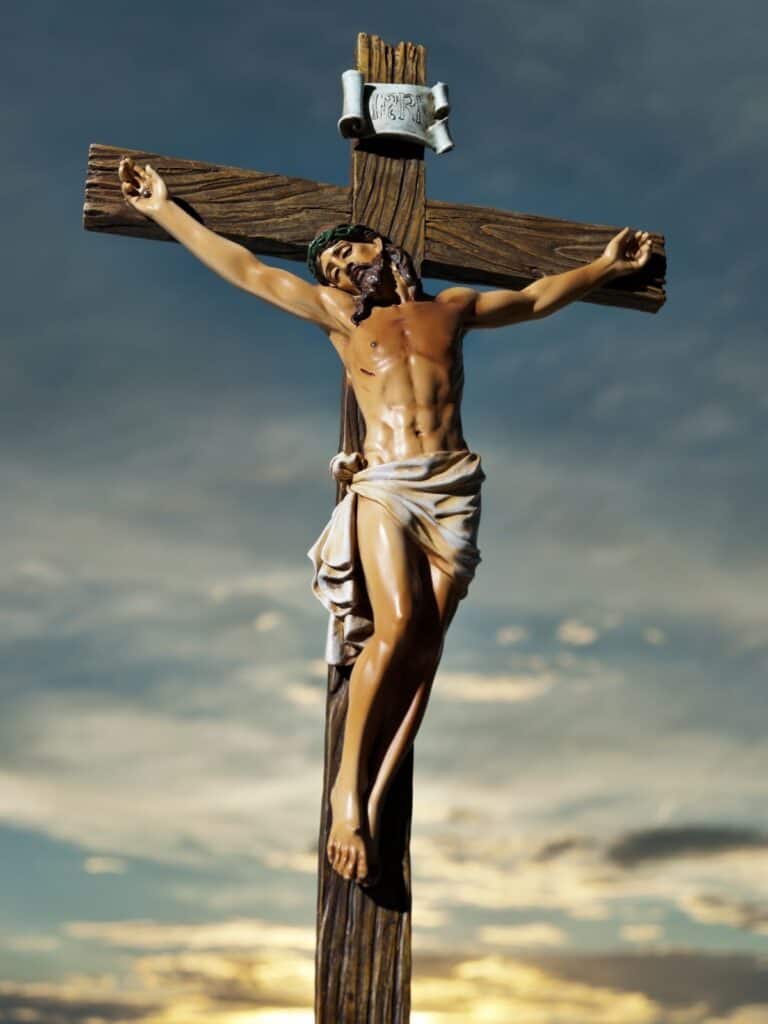
The entire Old Testament sacrificial system pointed toward Jesus Christ.
John the Baptist recognized this when he saw Jesus and declared, “Look, the Lamb of God, who takes away the sin of the world” (John 1:29).
Every lamb slain, every bull sacrificed, and every goat offered foreshadowed Christ’s perfect sacrifice.
When Jesus died on the cross, He fulfilled what all the animal sacrifices could only symbolize.
Hebrews 10:10 tells us that “we have been made holy through the sacrifice of the body of Jesus Christ once for all.”
No more bulls, goats, or lambs needed to die because Jesus’ sacrifice was sufficient.
The tearing of the temple curtain at Jesus’ death (Matthew 27:51) signified that the old sacrificial system had ended.
Direct access to God now came through Christ, not through animal blood.
Understanding what animals were sacrificed in the Bible helps us appreciate the magnitude of Christ’s work.
The countless animals that died over centuries couldn’t accomplish what Jesus did in one perfect offering.
This doesn’t mean the Old Testament sacrifices were meaningless or ineffective for their time.
They served their God-ordained purpose of maintaining the covenant relationship and teaching about sin’s seriousness.
But they always pointed beyond themselves to the greater sacrifice that would come.
Practical Lessons From Biblical Animal Sacrifice Today

Modern Christians don’t practice animal sacrifice, but we can still learn from this ancient system.
Romans 12:1 urges believers to “offer your bodies as a living sacrifice, holy and pleasing to God.”
This living sacrifice means dedicating ourselves wholly to God’s purposes.
Just as sacrificial animals had to be without defect, we’re called to pursue holiness and excellence.
The costliness of sacrifice reminds us that following God requires giving up things of value.
We can’t offer God our leftovers and expect Him to be pleased.
The regular morning and evening sacrifices teach us about consistency in worship and devotion.
Our relationship with God shouldn’t depend on our feelings but on faithful, daily commitment.
The provision for poor people’s sacrifices shows God’s heart for accessibility and inclusion.
Everyone can approach God, regardless of their economic status or resources.
The ultimate lesson is this: what all those animals could not do, Jesus accomplished perfectly.
When we trust in Christ’s sacrifice, we receive what the animal sacrifices could only symbolize.
Share this with a friend who loves learning about Biblical history.
Frequently Asked Questions About Animals Sacrificed in the Bible
What types of animals were used for sacrifice in the Bible?
The primary animals sacrificed in the Bible included bulls, oxen, sheep, lambs, goats, doves, and pigeons.
All sacrificial animals had to be “clean” according to Levitical law, meaning they had split hooves and chewed the cud (except for birds).
These animals had to be domesticated and without any physical defects to be acceptable offerings to God.
Why did God require animal sacrifices in the Old Testament?
God required animal sacrifices to provide a temporary covering for sin and to teach Israel about the seriousness of breaking His commands.

The sacrificial system demonstrated that sin has consequences and that approaching a holy God requires atonement through blood (Hebrews 9:22).
These sacrifices pointed forward to Jesus Christ, who would become the ultimate and final sacrifice for sin.
How many animals were sacrificed at Solomon’s temple dedication?
According to 1 Kings 8:63, King Solomon sacrificed 22,000 cattle and 120,000 sheep at the temple dedication.
This enormous number of sacrifices reflected the historic significance of the event and provided food for the massive crowds gathered in Jerusalem.
The dedication lasted fourteen days, and the sacrifices were fellowship offerings that were partially eaten by the people.
What was special about the Passover lamb?
Its blood protected Israelite homes from the angel of death during the final plague in Egypt.
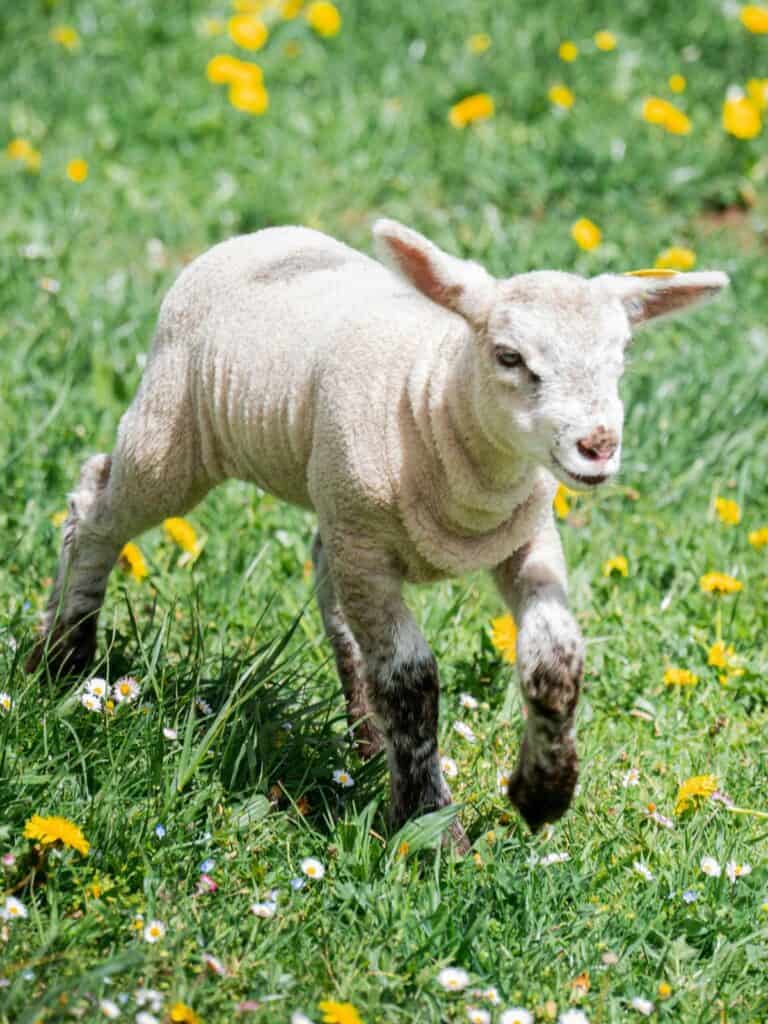
According to Exodus 12:5-6, the Passover lamb had to be a 1-year-old male without defect, selected on the 10th day and sacrificed on the 14th day of the month.
The Passover lamb became the primary Old Testament symbol pointing to Jesus Christ as the Lamb of God.
Could poor people afford to bring sacrifices?
Yes, God made provisions for the poor in the sacrificial system.
Leviticus 5:7 allowed those who couldn’t afford a lamb to bring two doves or two young pigeons instead.
For the extremely poor who couldn’t afford birds, Leviticus 5:11 permitted a grain offering, ensuring everyone could participate in worship.
What did the scapegoat represent on the Day of Atonement?
On the Day of Atonement, one goat was sacrificed while another (the scapegoat) had the people’s sins symbolically placed on it before being released into the wilderness (Leviticus 16:21-22).
This ritual visually demonstrated sins being removed from the community and carried away.
The scapegoat pointed to Christ, who would carry our sins away completely.
Why did sacrificial animals have to be perfect and unblemished?
Sacrificial animals had to be without defect because God deserves the very best, not damaged or second-rate offerings (Leviticus 22:20-22).
The requirement for perfection also pointed forward to Jesus Christ, who was without sin and offered Himself as an unblemished sacrifice.
Bringing a defective animal would dishonor God and demonstrate a lack of true devotion.